
Mapping the Sting: A Realistic Breakdown of Tattoo Pain
2 months ago
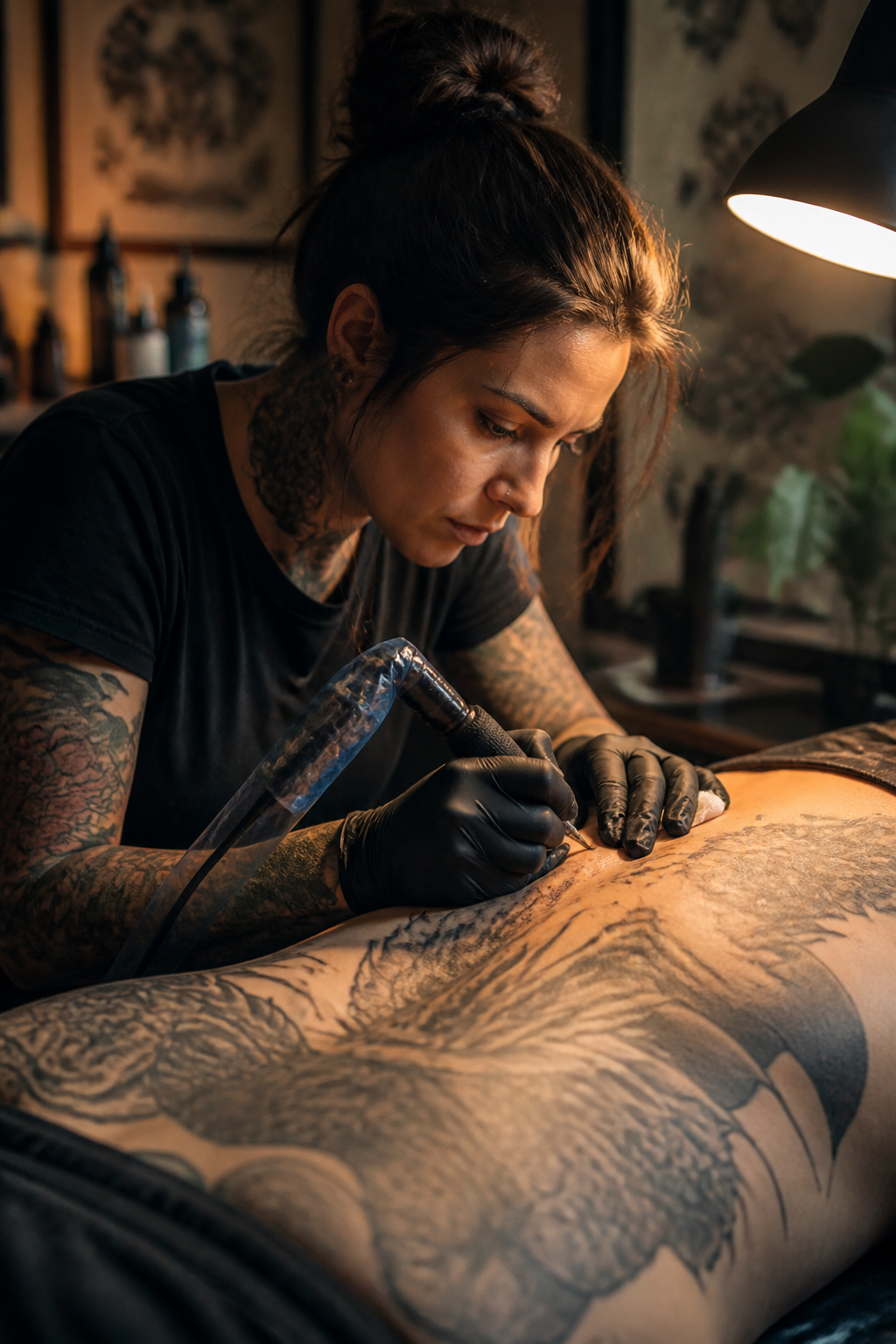
Before you commit to your next piece, it is vital to understand that tattoo pain is not a universal constant. The sensation varies wildly depending on where the needle meets the skin. Generally, areas with high nerve density or thin skin over bone, such as the ribs, shins, and elbows, rank highest on the discomfort scale. Conversely, fleshy areas like the outer thighs or upper arms are often described as a manageable scratch, making them ideal for beginners.
Your physical state before entering the studio plays a massive role in how you process the needle. Arriving at your appointment sleep-deprived or dehydrated significantly lowers your pain threshold. Water keeps the skin supple and resilient, while a full eight hours of rest ensures your nervous system isn't already on edge before the first line is even pulled.
What you consume on the day of your session also matters. While it might be tempting to grab a double espresso for energy, caffeine is a stimulant that can increase your heart rate and make you feel jittery, which often amplifies the perception of tattoo pain. It can also slightly thin the blood, leading to more redness and swelling. Sticking to a hearty, protein-rich meal and plenty of water is the smarter play for a calm experience.
For those tackling long-form projects like full sleeves or back pieces, mental endurance is just as important as physical prep. Managing your breathing is a proven technique; deep, rhythmic exhales help prevent the muscle tensing that makes the process feel more abrasive. Don't be afraid to communicate with your artist if you need a short break to stretch and reset your focus.
Ultimately, the sensation is a temporary hurdle for a permanent work of art. By controlling your environment through proper hydration, avoiding stimulants, and choosing your placement wisely, you can transform a daunting session into a manageable rite of passage. Being honest about your limits ensures the finished product is a source of pride rather than a memory of a grueling ordeal.