Mapping the Sensation: An Honest Guide to Tattoo Pain
2 months ago
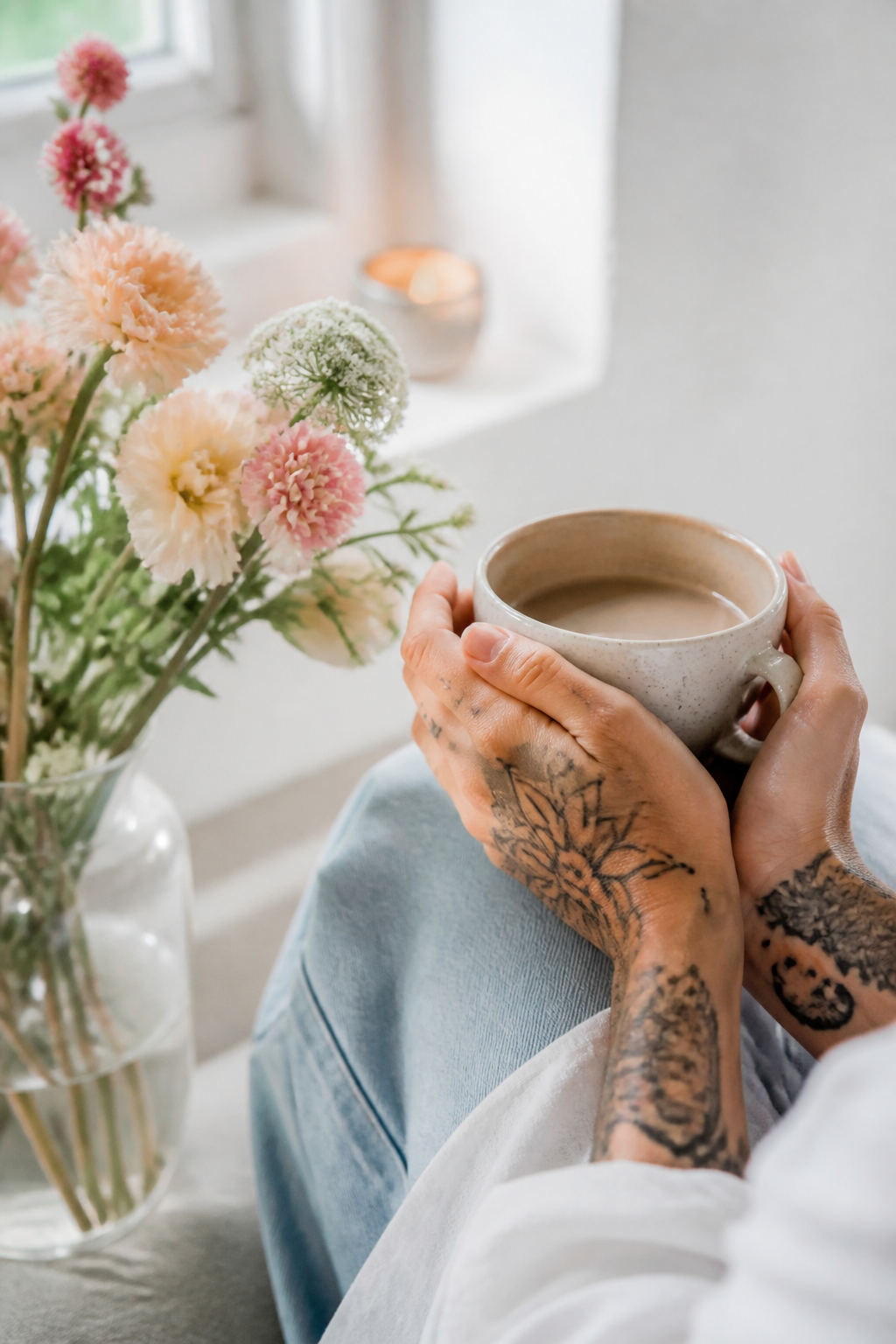
Before you commit to your next piece of art, it is vital to understand how tattoo pain varies across different areas of the body. Generally, regions with thin skin and proximity to bone create the most intense sensations. Areas like the ribs, shins, and the top of the foot are notorious for their sharp discomfort, while fleshier parts like the outer thighs or forearms offer a much more manageable experience.
Your physical state before sitting in the chair plays a massive role in how you perceive the needle. Proper hydration is essential, as dehydrated skin is less elastic and more difficult to ink, often increasing overall sensitivity. Similarly, a full night of deep sleep ensures your central nervous system is ready to handle the constant stimulation of a long tattoo session.
Many collectors make the mistake of loading up on caffeine before an appointment. While you might want the energy boost, caffeine is a stimulant that can increase your heart rate and make you feel more jittery or anxious. This heightened state of alertness can actually amplify tattoo pain, making it harder to sit still during intricate linework or heavy shading.
To manage long sessions effectively, focus on deep, rhythmic breathing. This helps regulate your nervous system and prevents the tensing of muscles, which often leads to quicker fatigue. Don't be afraid to communicate with your artist; taking a five-minute break to stretch and have a light, sugary snack can replenish your glucose levels and help you push through the final hour of work.