
Mapping the Sensation: An Honest Breakdown of Tattoo pain
8 days ago
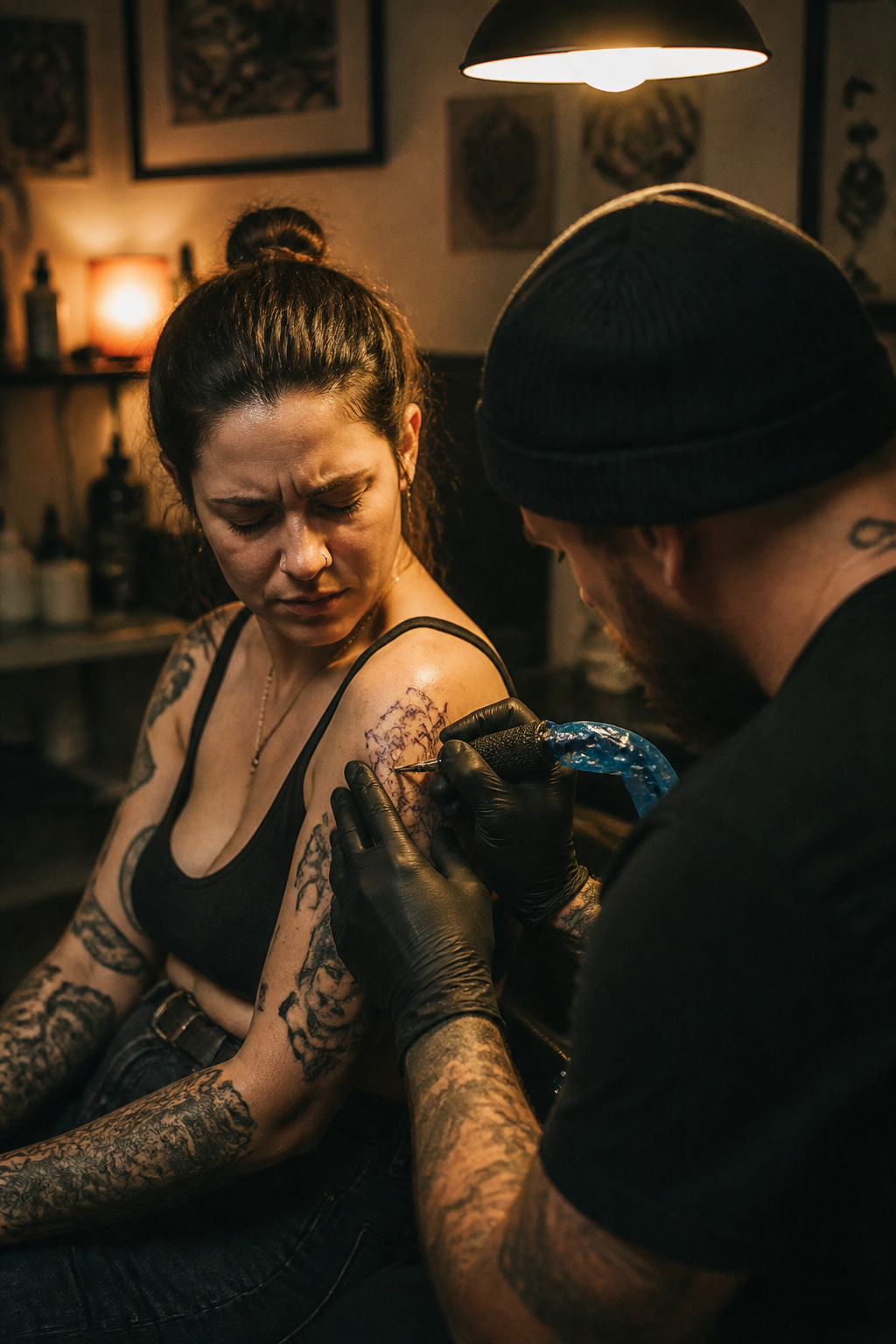
Before you commit to your next piece of art, it is vital to understand that tattoo pain is not uniform across the body. Areas with thin skin and proximity to bone, such as the ribs, elbows, and shins, typically register much higher on the intensity scale. Conversely, fleshier zones like the outer thigh or forearm offer a significantly more manageable experience for most enthusiasts.
Your physical state before arriving at the studio plays a massive role in how you process the sensation. Prioritizing a full eight hours of sleep and maintaining high hydration levels are non-negotiable for a comfortable sit. Well-hydrated skin is more resilient and accepts ink more efficiently, which can actually reduce the total time you spend under the needle.
Dietary choices on the day of your appointment are equally influential. While it might be tempting to grab an extra espresso to combat nerves, excessive caffeine can increase your heart rate and make you feel jittery, often amplifying the perception of tattoo pain. Instead, opt for a heavy, protein-rich meal to keep your blood sugar stable and prevent fainting or lightheadedness during the process.
Managing long sessions requires a mental game as much as physical preparation. Don't be afraid to communicate with your artist about taking short breaks to stretch or have a quick snack. Using breathing techniques—slow, deep inhales through the nose and exhales through the mouth—can help your nervous system stay calm when the artist hits a particularly sensitive spot.
Ultimately, the sensation is a temporary hurdle for a permanent reward. By preparing your body through rest and proper nutrition, you can significantly mitigate the sharpness of the experience. Being honest about your threshold allows you to choose a placement that ensures your journey into new ink is as smooth as possible.