Mapping the Sensation: A Strategic Breakdown of Tattoo Pain
5 days ago
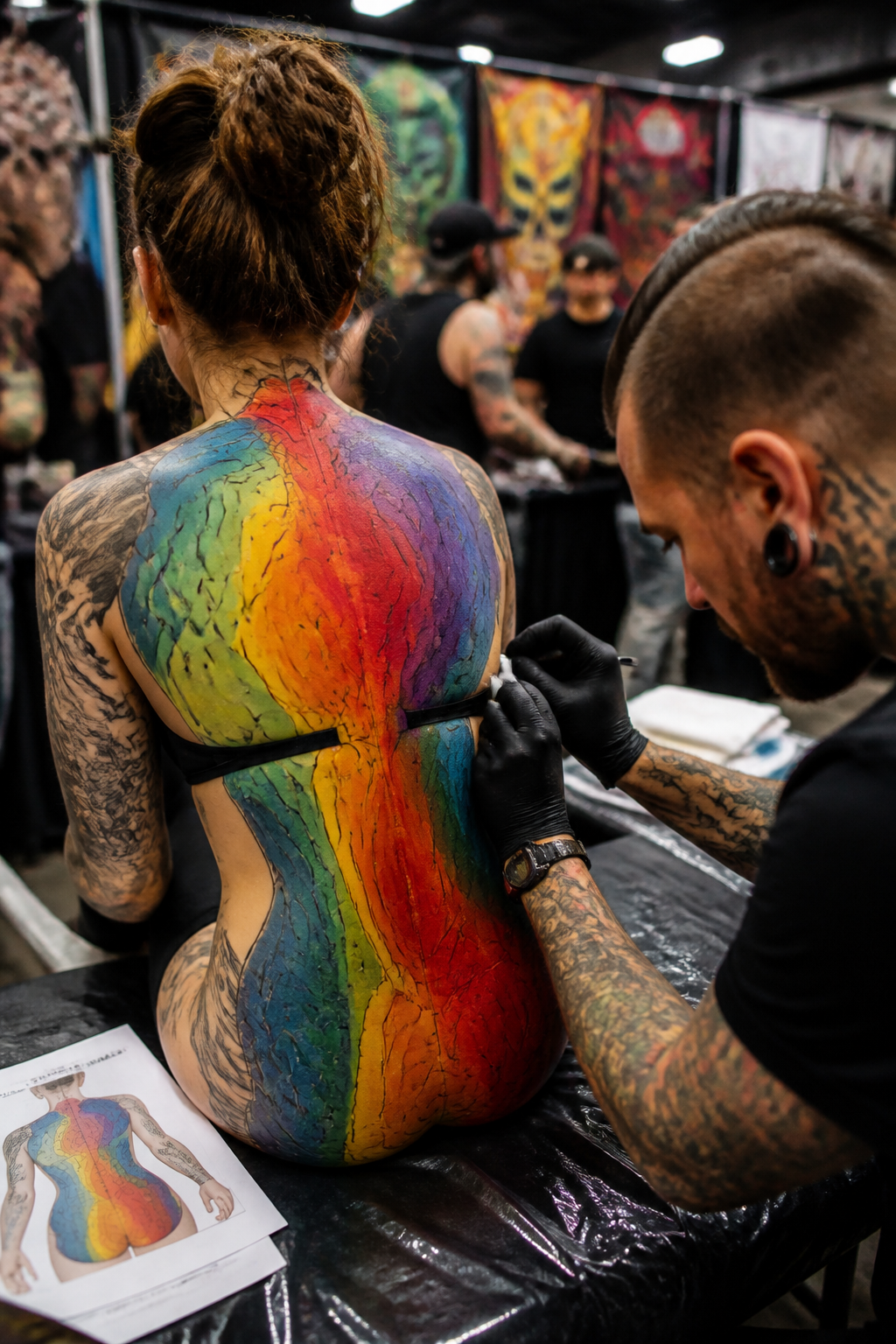
Navigating the reality of tattoo pain starts with recognizing that not all skin is created equal. Placements over fleshy areas like the outer thighs or forearms are generally considered manageable, offering a dull, scratchy sensation. However, hitting 'hot zones' where the skin is thin and sits directly over bone—such as the shins, ribs, or top of the feet—can significantly elevate the intensity of the session.
Your physical preparation plays a massive role in how your body processes the needle. Dehydration makes the skin less elastic and more sensitive, leading to a more jagged experience. Similarly, showing up on three hours of sleep leaves your nervous system frayed and less capable of producing the natural endorphins needed to mask the discomfort during long sittings.
One common mistake collectors make is loading up on caffeine before an appointment. While you might want the energy boost, caffeine is a stimulant that can increase your heart rate and make you feel jittery or hyper-focused on the sensation. It also acts as a mild blood thinner, which can lead to excess bleeding and a more difficult session for both you and your artist.
For those tackling large-scale projects, managing the clock is just as important as the needle itself. During a long session, your body eventually hits a wall where it stops producing adrenaline. This usually happens around the four-hour mark. Communicating with your artist about short breaks to stretch and eat a sugary snack can help stabilize your blood sugar and keep your pain threshold high.
Ultimately, tattoo pain is a temporary hurdle for a permanent piece of art. By focusing on deep, rhythmic breathing and staying relaxed rather than tensing up, you can prevent your muscles from fatiguing. Being honest about your limits ensures the process remains a positive experience rather than an endurance test you aren't prepared for.