Mapping the Sensation: A No-Nonsense Guide to Tattoo Pain
4 months ago
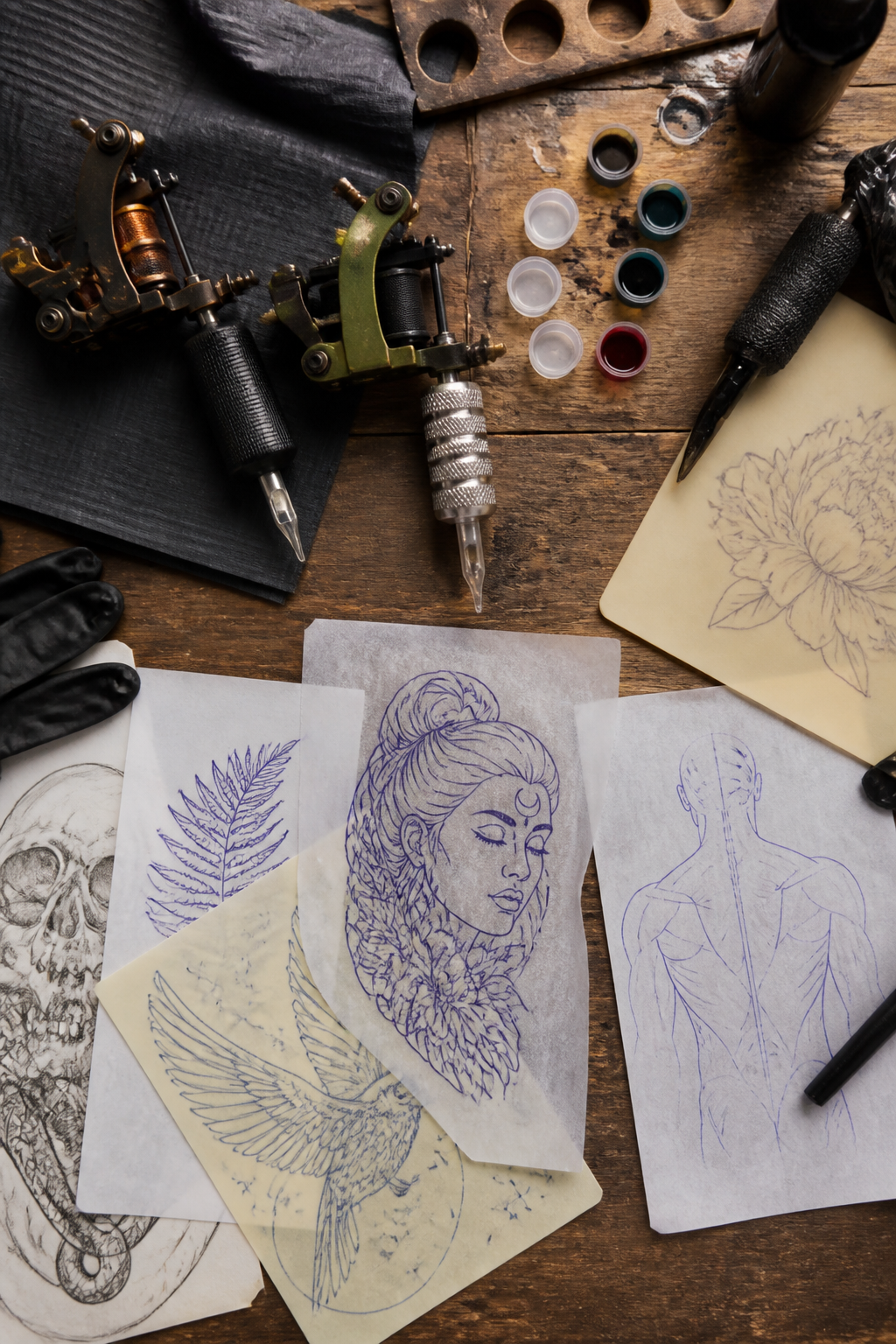
Understanding tattoo pain is the first step toward a successful session. While pain is subjective, certain areas are universally tougher than others. Sites with thin skin and proximity to bone, such as the ribs, shins, and the tops of feet, tend to register higher on the intensity scale. Conversely, fleshier areas like the outer thighs or upper arms are generally more forgiving for those looking for a milder experience.
Your physical state before entering the studio plays a massive role in how you process the needle. Coming into a session dehydrated or sleep-deprived can make you hypersensitive to discomfort. Hydrated skin is more elastic and receptive, while a well-rested nervous system can handle the repetitive sensation much better than one running on fumes.
What you consume matters just as much as how much you sleep. While it might be tempting to dose up on caffeine for energy, excessive coffee can actually increase your heart rate and make you feel jittery or anxious, which amplifies the perception of tattoo pain. Stick to a hearty, balanced meal and plenty of water to keep your blood sugar stable during the process.
For long sessions, mental stamina is key. Managing the sensation involves deep, controlled breathing and taking short breaks when necessary to stretch and reset. Bringing a distraction, such as a playlist or a movie, can help shift your focus away from the vibration. Listen to your body and communicate with your artist to ensure you stay within your limits.
Ultimately, the sensation is temporary while the art is permanent. By choosing your placement wisely and prepping your body like an athlete, you can transform a daunting experience into a manageable rite of passage. Proper preparation ensures that you walk away with a piece of work you love without the trauma of an overwhelming session.