Mapping the Sensation: A Deep Dive into Tattoo Pain
2 months ago
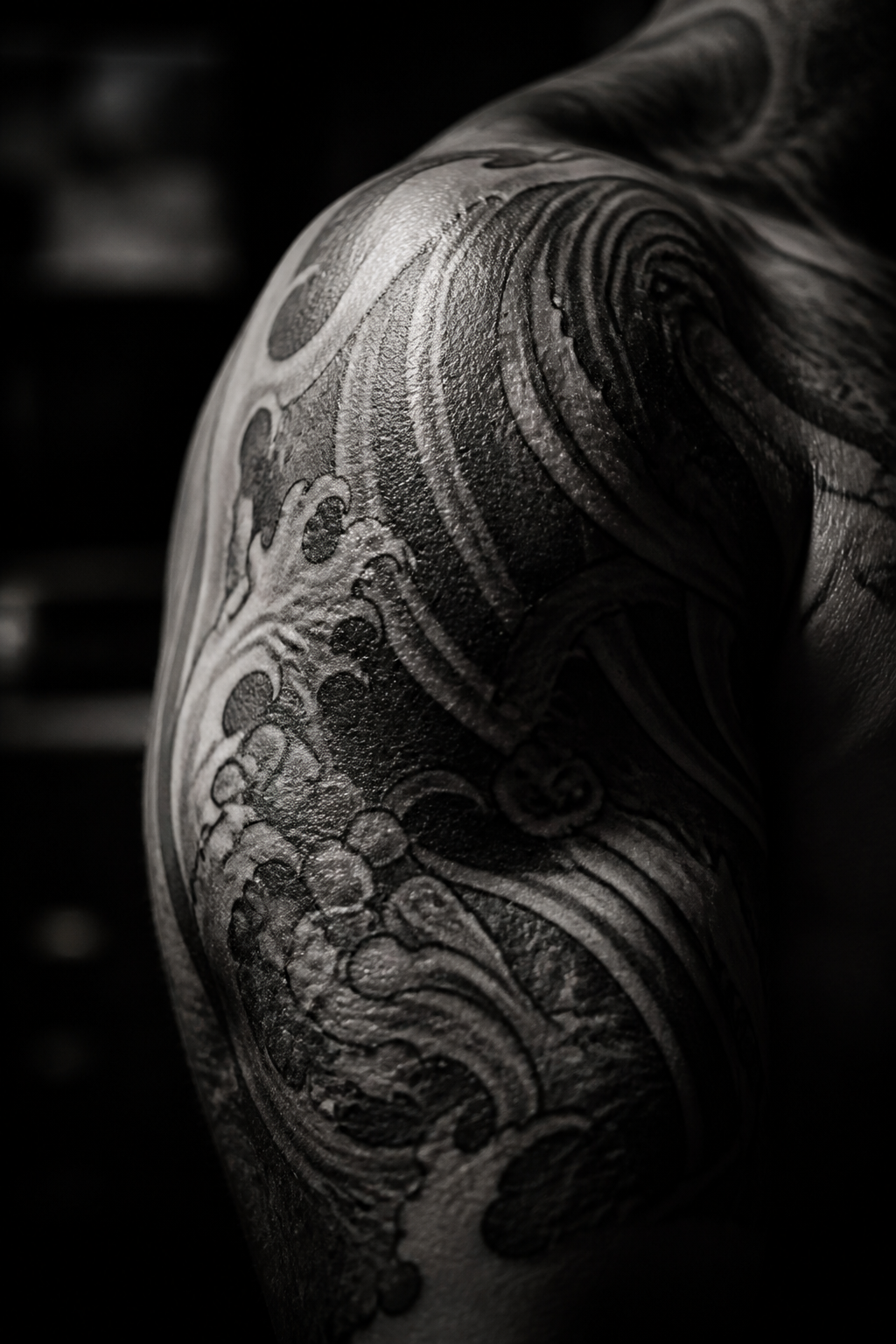
Understanding tattoo pain is an essential part of the journey for any collector. While everyone has a different threshold, certain body parts are universally recognized as high-intensity zones. Areas where the skin is thin or sits directly over bone—such as the ribs, shins, and the top of the foot—typically deliver a more acute sensation compared to meatier areas like the outer thigh or shoulder.
Your physical state before sitting down plays a massive role in how you process the needle. Arriving at the studio well-rested is non-negotiable; sleep deprivation lowers your pain tolerance and makes you more jittery. Hydration is equally important, as well-hydrated skin is more supple and easier for the artist to work on, potentially shortening the time you spend under the machine.
Dietary choices on the day of your session also matter. While it might be tempting to grab a large coffee to stay alert, caffeine is a stimulant that can increase your heart rate and make the sensation feel more intense. Instead, opt for a heavy, protein-rich meal. Keeping your blood sugar stable helps prevent lightheadedness and gives your body the fuel it needs to manage the adrenaline rush.
For those planning long sessions, mental stamina is key. Focused breathing techniques can help regulate your nervous system and keep you from tensing up, which often makes the needle feel worse. Don't be afraid to communicate with your artist; a quick five-minute break to stretch and drink some water can reset your focus and make a four-hour session feel much more manageable.
Finally, remember that managing the discomfort is a collaborative effort. Being honest about how you are feeling allows your artist to adjust their technique or pacing. By preparing your body through rest and nutrition, you can turn a potentially grueling experience into a rewarding test of endurance that ends with a piece of art you'll carry forever.