
Mapping the Canvas: A Deep Dive into Thigh Tattoo placement
4 days ago
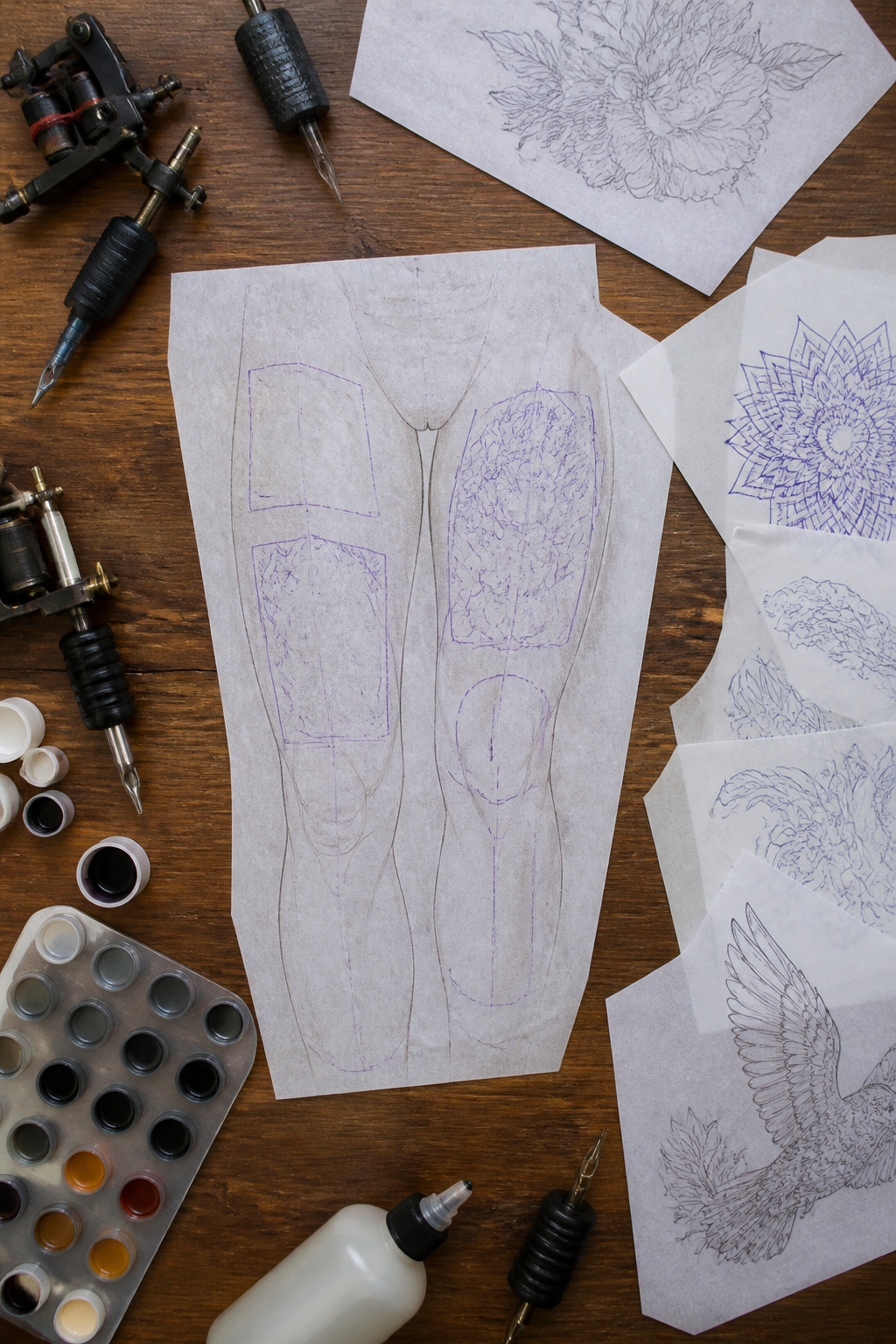
The upper leg offers one of the most versatile canvases on the human body, providing a massive surface area that accommodates everything from sprawling portraits to intricate botanical illustrations. Choosing thigh tattoo placement allows for a high degree of privacy, as the artwork is easily concealed by clothing, yet makes a bold statement when revealed. The skin here is generally thick and resilient, making it an ideal spot for detailed work that requires long sessions.
From a technical standpoint, designing for the thigh requires a deep understanding of anatomical flow. The leg is not a flat plane; it is a cylindrical form that tapers toward the knee. Artists often utilize 'S' curves or diagonal compositions to ensure the design wraps naturally rather than looking like a flat sticker. This wrapping effect creates a sense of movement, making the artwork feel integrated with the wearer's musculature.
In terms of sensation, the outer thigh is widely considered one of the least painful areas to get inked. The abundance of muscle and fatty tissue acts as a natural cushion against the needle. However, clients should be aware that moving toward the inner thigh or the crease of the hip significantly increases sensitivity. Planning the focal point of the design on the outer quadrant ensures a more comfortable experience for those wary of high pain levels.
Longevity is a major selling point for this location. Because the thigh is frequently protected from UV rays by pants and skirts, the ink tends to stay vibrant longer than on sun-exposed areas like the hands or forearms. The skin in this region also tends to hold its elasticity well over time, meaning the proportions of the tattoo are less likely to distort as the body ages or changes shape.
When conceptualizing your piece, consider the vertical orientation of the limb. Vertical designs that follow the line of the femur help elongate the leg, providing a flattering aesthetic. Whether you are opting for a traditional large-scale piece or a collection of smaller patchwork designs, the thigh provides the structural integrity needed to support bold pigments and fine details alike.
Ultimately, the success of the piece relies on how the artist utilizes the natural contours of the hip and quad. By aligning the heaviest elements of the design with the widest part of the muscle, you achieve a balanced look that remains visually striking from every angle. It remains a premier choice for both first-timers and seasoned collectors looking for a high-impact, low-stress session.