
Managing the Burn: An Honest Breakdown of Tattoo pain
11 days ago
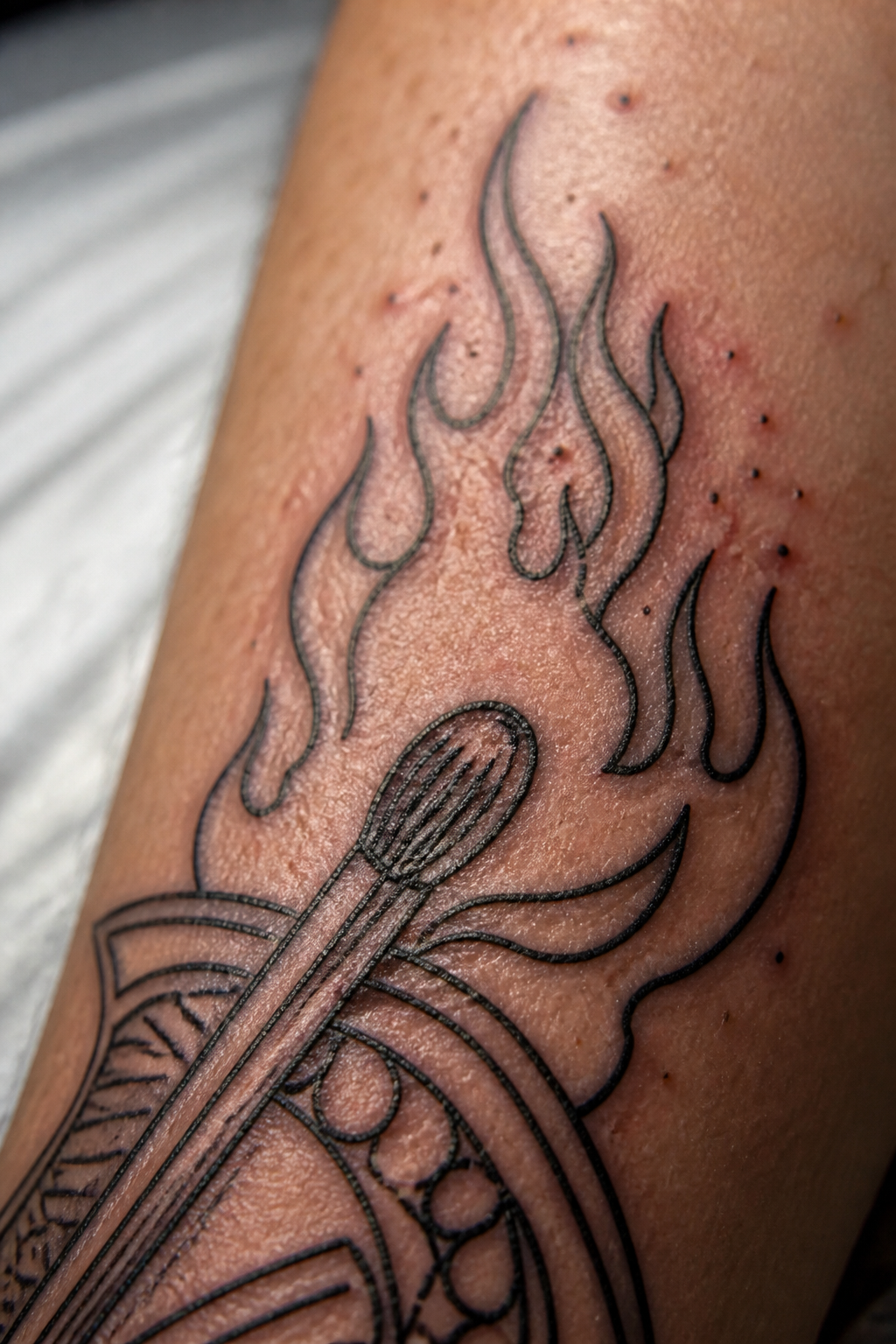
Understanding tattoo pain is the first step toward a successful session. While everyone has a different threshold, placement is the primary factor. Fleshy areas like the outer arm or thigh are generally manageable, but spots where the skin is thin and close to the bone—such as the ribs, shins, and sternum—tend to register much higher on the intensity scale. Knowing what to expect allows you to prepare mentally for the vibrating sensation of the needles.
Your physical state before you even walk into the studio significantly influences how you process the discomfort. A lack of sleep can leave your nervous system frayed, making every pass of the machine feel more acute. Similarly, dehydration makes the skin less supple and harder to work on, which can increase the time you spend in the chair. Preparing your body is just as important as choosing your design.
Dietary choices also play a surprising role in managing tattoo pain. While it might be tempting to grab a double espresso for energy, caffeine is a stimulant that can increase your heart rate and make you feel jittery, making it harder to sit still. It can also slightly thin the blood. A hearty, protein-rich meal a few hours before your appointment provides the steady blood sugar levels needed to prevent fainting or fatigue during the process.
For those tackling large-scale pieces, endurance is the name of the game. Managing long sessions requires open communication with your artist. Don't be afraid to ask for short breaks to stretch or use the restroom, as holding a rigid position for hours adds unnecessary muscle strain to the localized sting of the ink. Keeping your breathing steady and rhythmic can help regulate your body’s natural stress response.
Distraction is another effective tool for mitigating the sensation. Many collectors find that listening to music, watching a movie, or engaging in light conversation helps shift the focus away from the needle. By combining proper physical preparation with a calm environment, you can turn a potentially grueling experience into a manageable rite of passage. Remember, the temporary discomfort is a small price to pay for a lifetime of art.