Managing the Burn: An Honest Breakdown of Tattoo Pain
2 months ago
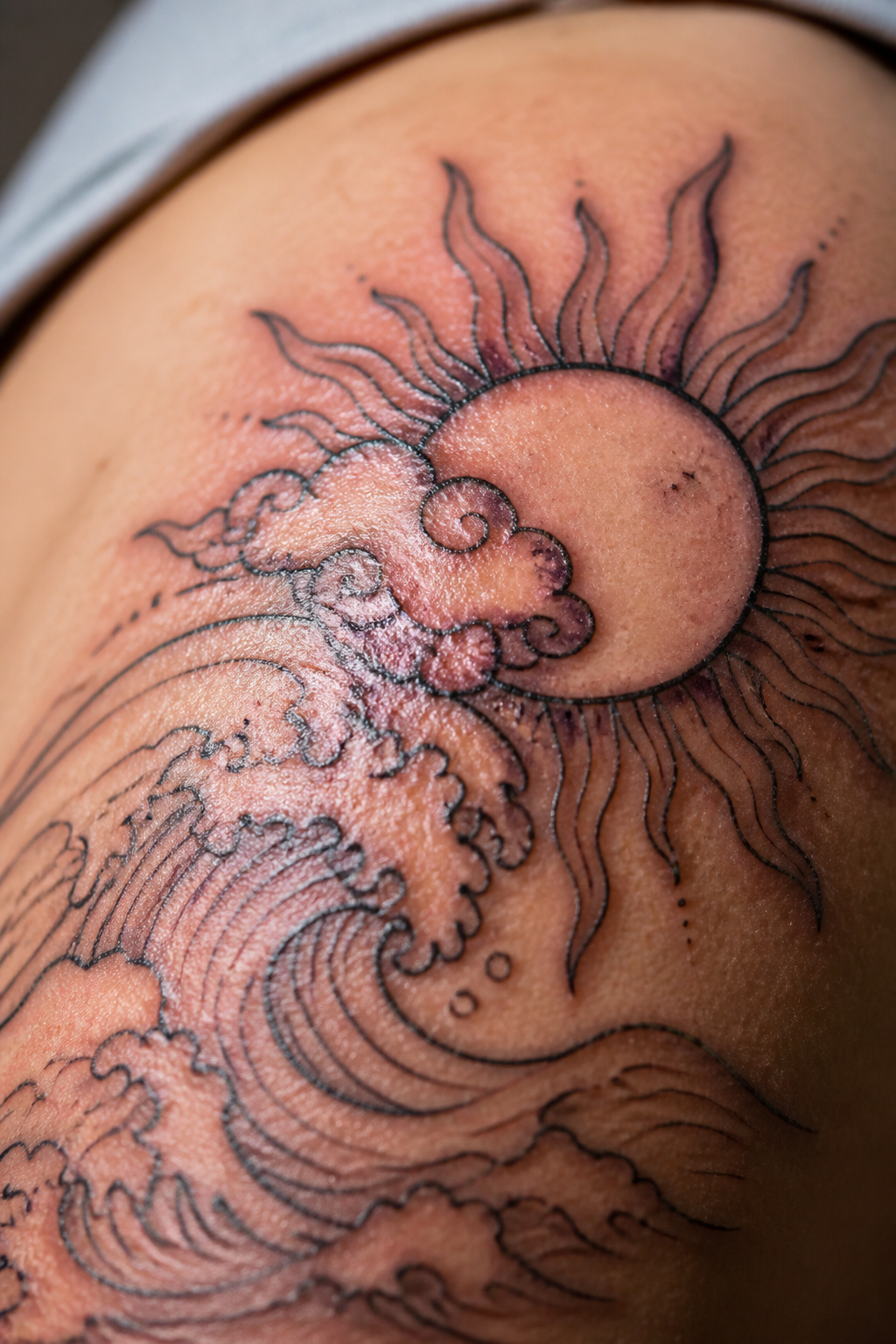
Understanding tattoo pain is the first step toward a successful session. Generally, the rule of thumb is that areas with more bone and less fat—like the ribs, shins, and elbows—will feel more intense than fleshy spots like the outer arm or thigh. For your first large piece, choosing a 'low-pain' zone can help you build the stamina needed for longer sessions later on.
Beyond placement, your physiological state plays a massive role in how you process the needle. Sleep is your best defense; a well-rested nervous system is far more resilient than one running on four hours of rest. Hydration is equally critical, as hydrated skin takes the ink more easily and tends to swell less, making the process faster for the artist and more comfortable for you.
What you consume before your appointment matters just as much as your sleep. While it might be tempting to double up on espresso for a boost, excessive caffeine can actually heighten your sensitivity and increase your heart rate, making it harder to sit still. Stick to a heavy, protein-rich meal a few hours before your session to keep your blood sugar stable and prevent lightheadedness.
Managing long sessions is a mental game as much as a physical one. Deep, rhythmic breathing helps calm the nervous system and prevents the muscle tension that makes the needle feel sharper. Don't be afraid to ask for short breaks; a five-minute stretch can reset your focus and help you push through the final line work.
Communication with your artist is the ultimate tool for handling tattoo pain. If you feel a sudden drop in blood sugar or the sensation becomes overwhelming, speak up. Most artists prefer to take a moment to let you recalibrate rather than having a client tap out early or faint. Modern aftercare starts with how well you manage your body during the actual prick of the needle.