
Making History Disappear: The Realities of a Tattoo cover-up
18 days ago
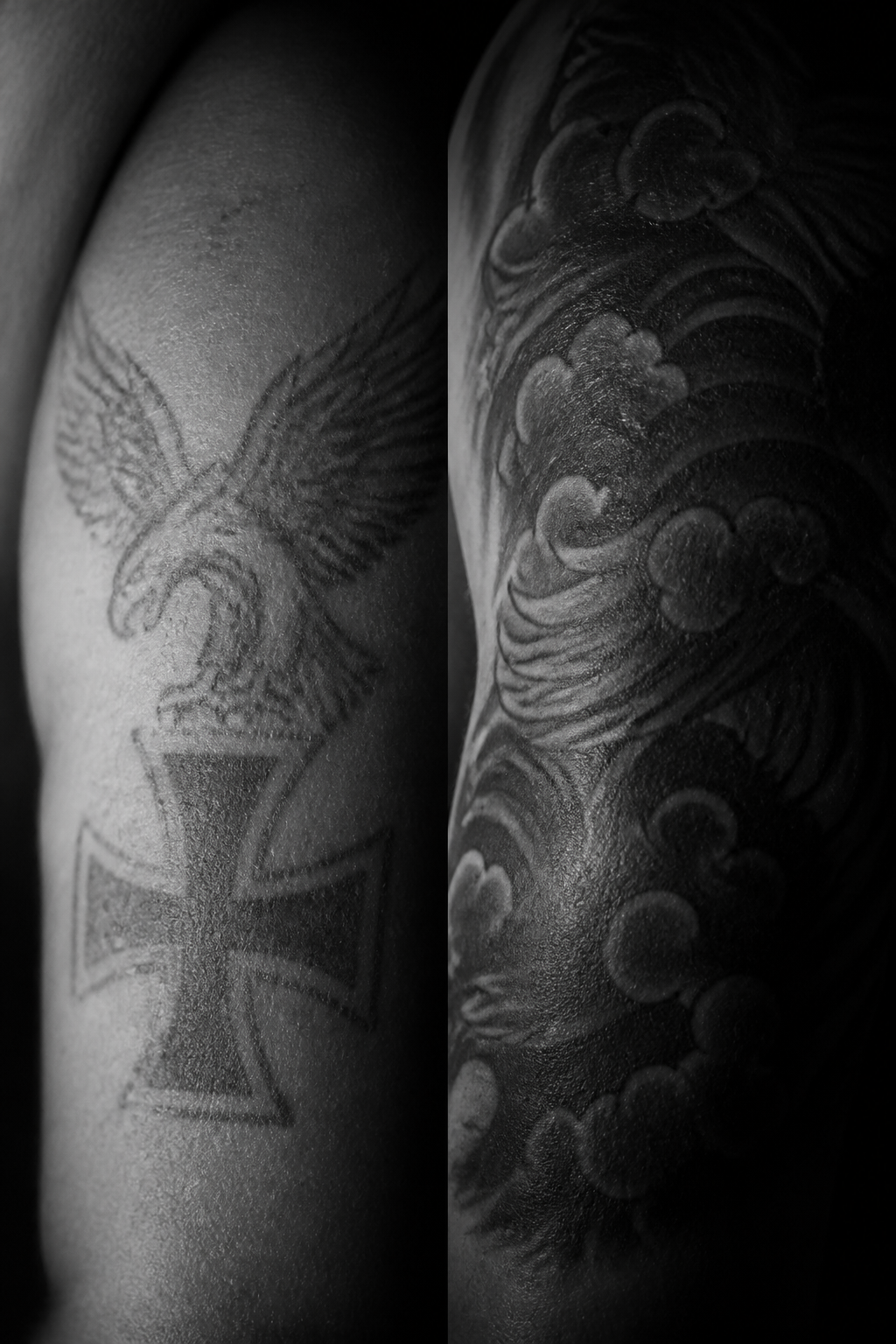
Getting a Tattoo cover-up isn't as simple as painting over a wall. Tattoos are translucent, meaning the new ink sits in the same layer of skin as the old pigment. To successfully mask a previous design, an artist must use darker tones and complex patterns that play with visual distraction. Deep blues, rich purples, and heavy blacks are the industry standards for ensuring the old lines don't ghost through the new art.
The most important strategy involves picking a design that is significantly larger and more detailed than the original piece. Organic shapes, such as dense floral arrangements or mechanical textures, work best because they break up the recognizable silhouette of the old work. A flat, simple design will rarely work; you need texture and depth to fool the eye into seeing only the new composition.
Sometimes, the existing tattoo is simply too dark or saturated for an immediate fix. In these cases, a few sessions of laser removal to fade the old ink is the best path forward. Lightening the pigment expands your design options significantly, allowing for lighter colors and more open space in the final Tattoo cover-up rather than being forced into a solid black block.
Choosing the right artist is the final piece of the puzzle. Not every talented illustrator is a cover-up specialist. You need someone who understands the chemistry of how pigments interact and who can show a portfolio of healed transformations. A professional will be honest about what is possible, ensuring your new ink looks like a deliberate masterpiece rather than a desperate patch-up.