
Leg Strategy: The Ultimate Calf Tattoo Placement Guide
14 days ago
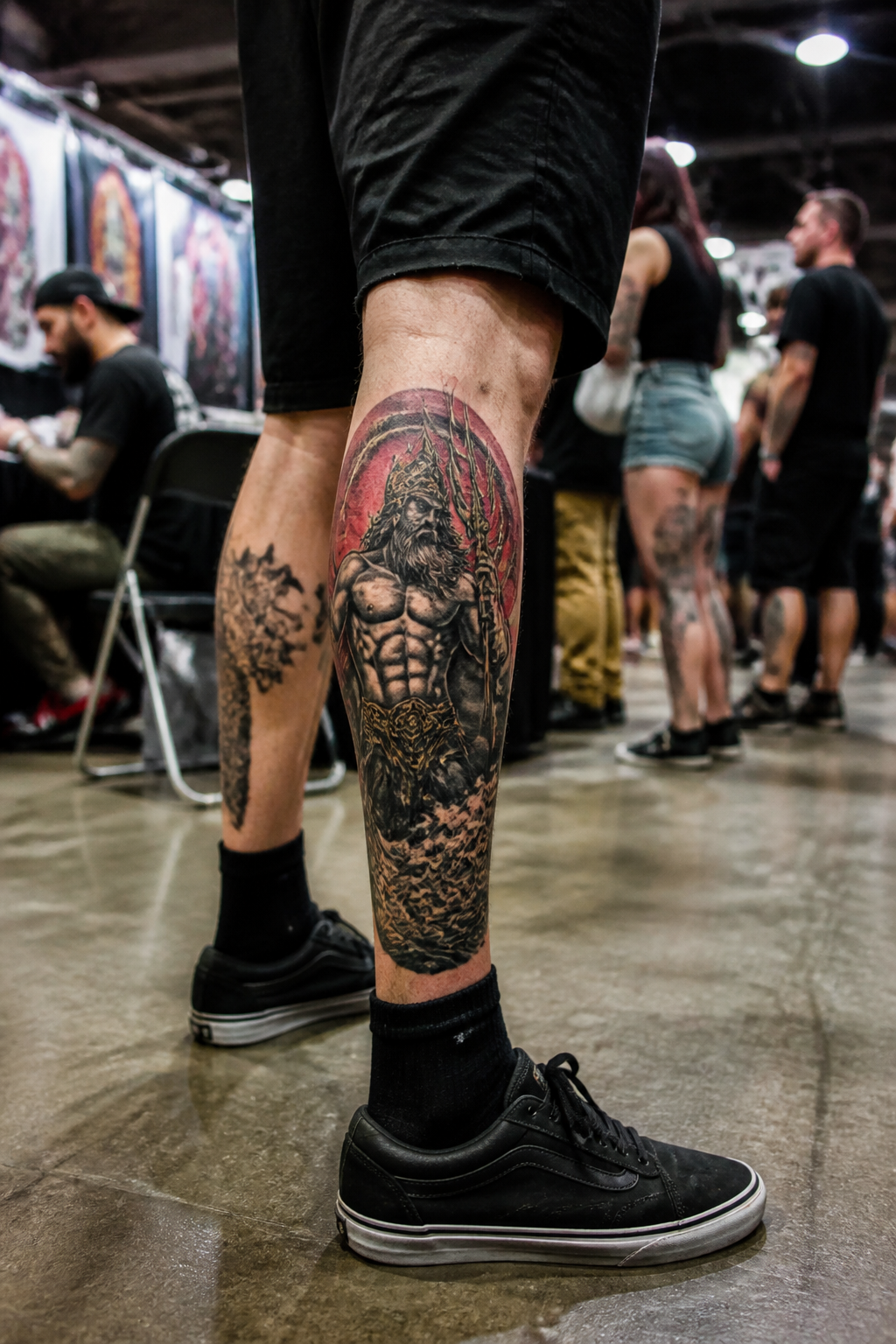
The lower leg is one of the most versatile canvases on the human body. When considering calf tattoo placement, you are working with a muscular, rounded area that provides plenty of space for detailed work without the extreme discomfort associated with bony areas like the ribs or spine. It is a prime choice for collectors who want high visibility during the summer but need the option to easily cover up for professional settings.
Designing for this area requires a deep understanding of anatomy. Because the gastrocnemius muscle tapers down toward the Achilles tendon, a successful design must follow this natural flow. Vertical compositions, such as daggers or long-form floral arrangements, work best here. Wrapping a design too far around the side can cause distortion, so it is vital to center the primary focal point on the bulk of the muscle for the most impact.
Pain management is a significant perk of this location. For most people, the calf is considered a low-to-moderate pain zone, thanks to the thick muscle and skin. However, as the needle moves toward the back of the knee or the lower ankle, the sensitivity increases significantly. If you are planning a large-scale piece, starting in the center and working outward is a common strategy to build up tolerance.
Longevity is another reason to love this spot. Calf tattoos tend to age remarkably well compared to hands or feet. The skin on the lower leg stays relatively firm and is less prone to the rapid stretching or sun damage seen on the shoulders or chest. As long as you maintain a solid moisturizing routine and apply sunscreen during shorts season, the ink will remain crisp and saturated for years.
Healing a lower leg piece does come with a few unique challenges. Gravity is not always your friend during the first 48 hours, as blood pooling can cause slight swelling. Elevating your leg after your session and avoiding tight socks or restrictive denim will ensure the healing process remains smooth. Once the initial peeling stage is over, you will have a bold piece of art that moves naturally with your stride.