
Ink Transformation: The Strategic Reality of a Tattoo cover-up
10 days ago
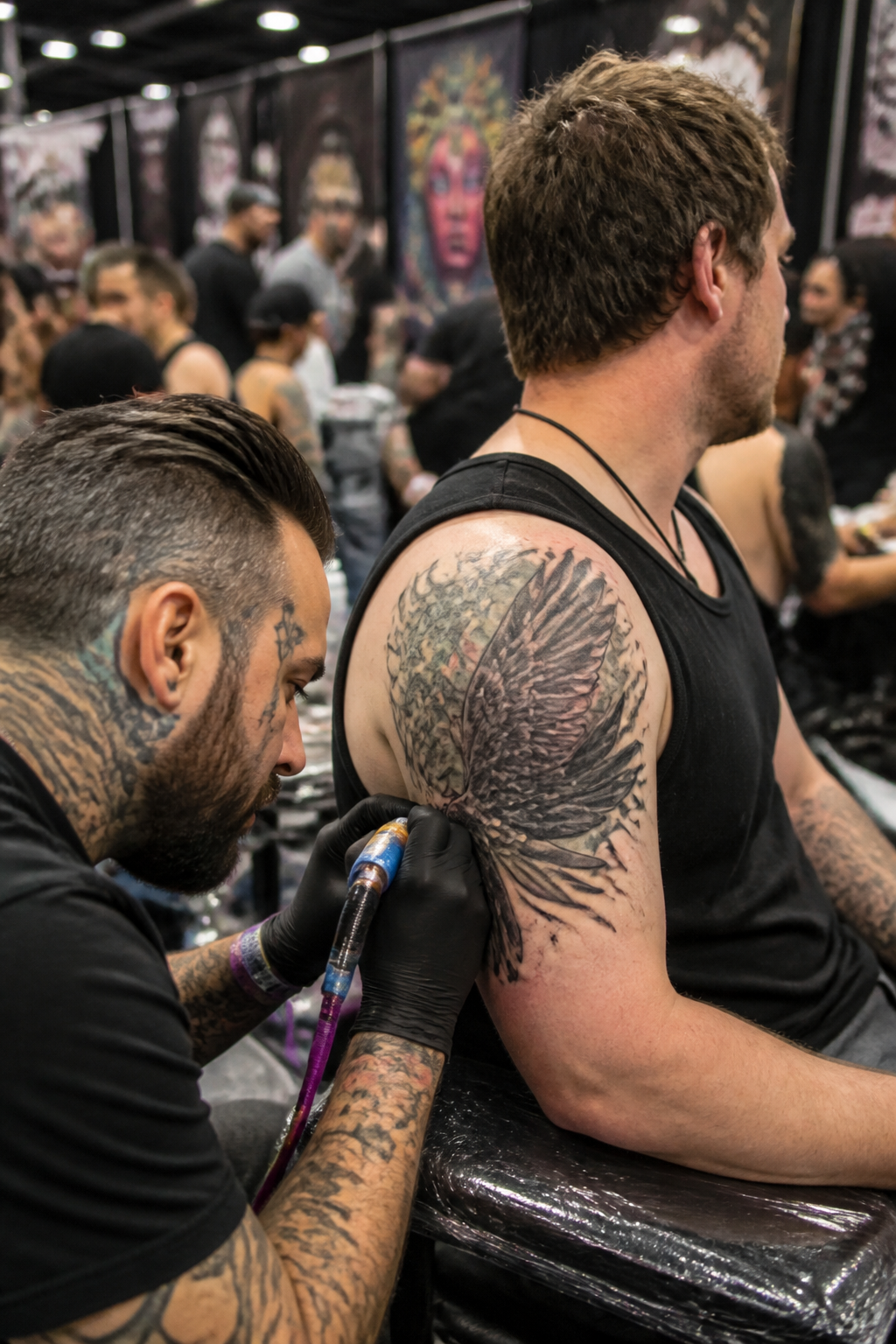
A successful tattoo cover-up is not about simply painting over an old image; it is an intricate game of color theory and spatial design. Unlike a fresh canvas, the skin already contains pigments that will interact with any new ink layered on top. Darker colors always dominate lighter ones, meaning your new design must be strategically planned to camouflage the existing shapes without becoming a muddy mess.
Design strategy is the most critical component of the process. Artists often use busy textures, deep shading, and high-contrast patterns to distract the eye from the original lines beneath. Organic shapes like dense floral arrangements or mechanical patterns work exceptionally well because they lack the rigid geometry that might reveal the old tattoo’s silhouette through the new layers.
Sometimes, the original piece is too dark or saturated for an immediate fix. In these cases, a few sessions of laser fade are recommended before starting the tattoo cover-up. Lightening the old ink just a few shades expands the creative possibilities, allowing for a wider color palette and more delicate detailing in the final piece that wouldn't be possible otherwise.
Choosing the right artist is the final, vital step. Not every talented illustrator is skilled in the technical nuances of camouflage. You need a specialist who understands how ink settles over time and how to manipulate light and shadow to hide what lies beneath. Review their portfolio specifically for 'before and after' shots to ensure they can handle your specific transformation.