Ink Transformation: The Real Science of a Successful Tattoo cover-up
2 months ago
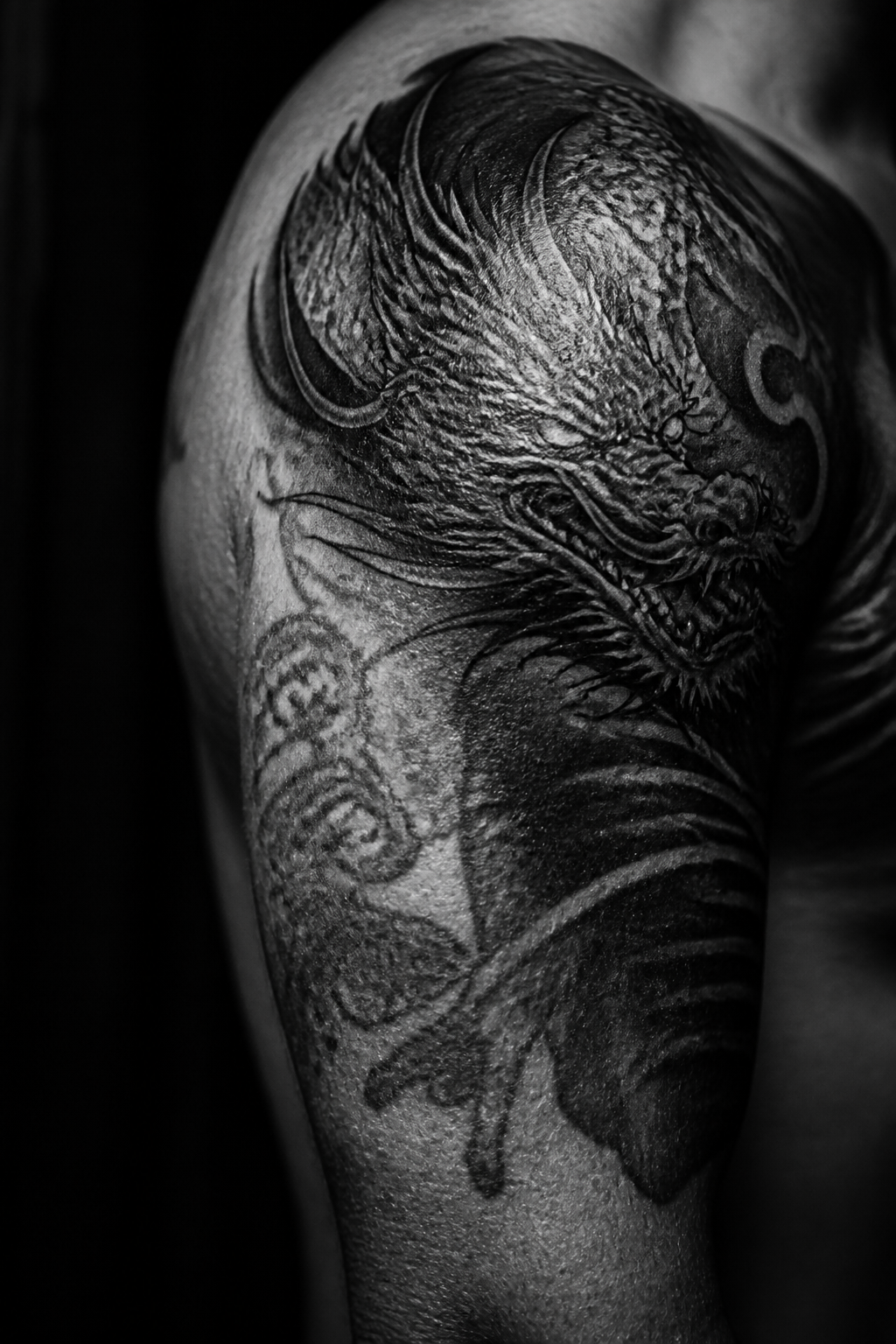
A successful tattoo cover-up is less about erasing the past and more about the clever art of distraction. Many collectors assume they can simply throw a lighter color over a dark mistake, but the reality is that tattoo ink is translucent. To effectively hide an old piece, your artist must master color theory, using dark pigments and busy textures to mask the old lines while drawing the eye toward new focal points.
Design strategy is everything when you are working with existing ink. Thick lines and heavy saturation require 'windows' of negative space in the new design to keep the piece from looking like a mud puddle. Biomechanical, heavy traditional, or high-contrast floral patterns are often the go-to styles because their organic shapes and deep shading naturally camouflage the underlying structure of the original work.
Sometimes, the original tattoo is simply too dark or too large to be hidden by a new design without it becoming an oversized black mass. In these cases, a few sessions of laser removal to fade the old ink—known as 'lightening'—is the best move. This opens up your options, allowing for a much wider range of colors and styles than a direct cover-up would permit.
Choosing the right artist for your tattoo cover-up is the most critical step in the process. Not every great tattooer is skilled at covering old work; it requires a specific understanding of how ink layers atop existing scar tissue and pigment. Look for a portfolio that specifically showcases 'before and after' shots to ensure they have the technical grit to transform your skin effectively.