Ink Transformation: The Essential Strategy for a Successful Tattoo cover-up
2 months ago
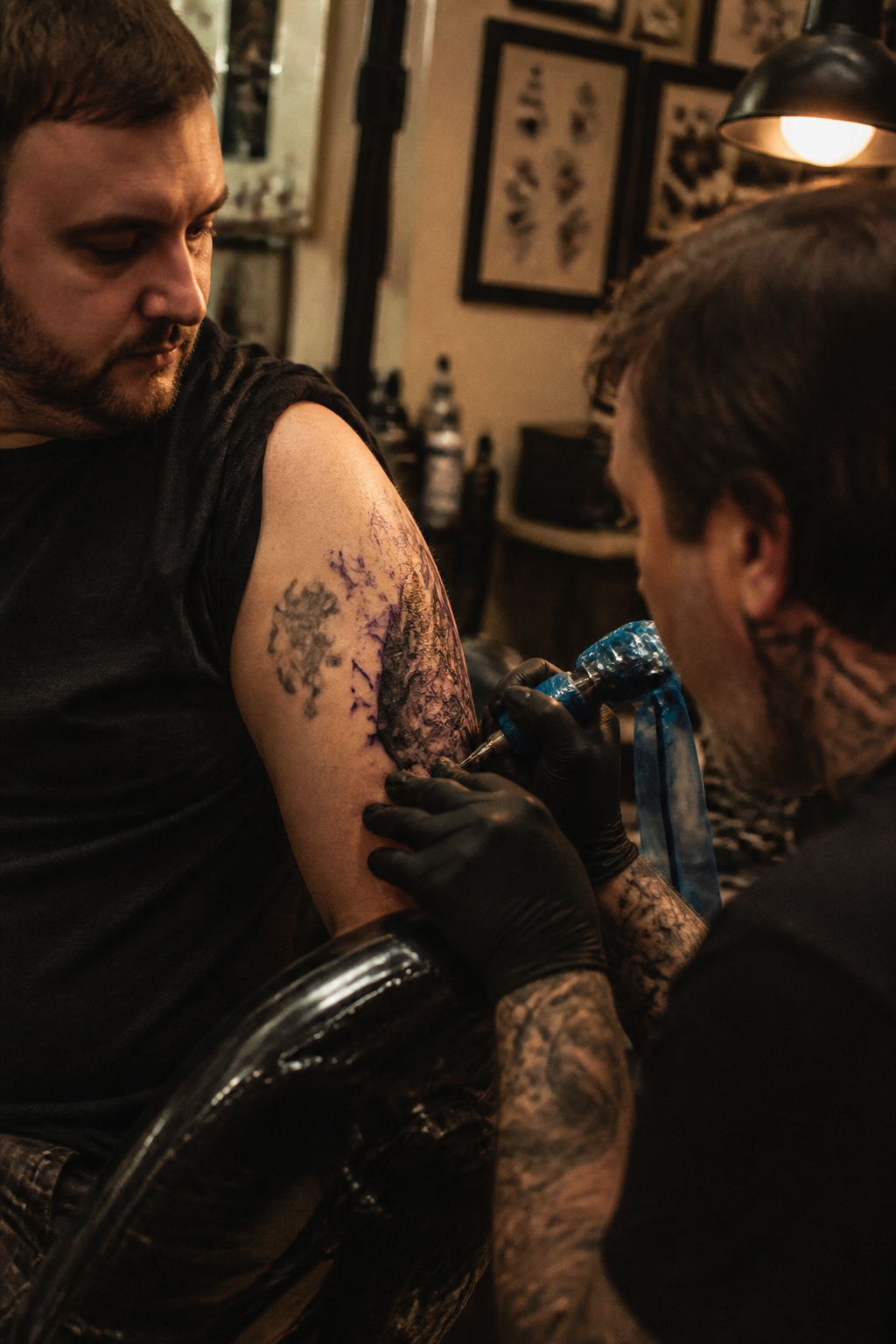
A successful Tattoo cover-up is not just about layering new ink over old; it is a complex game of color theory and visual deception. Unlike a blank canvas, your skin already contains settled pigment that acts like a base tint. Darker inks, such as deep blacks and blues, will always dominate lighter tones. Therefore, your new design must be strategically planned to utilize the existing shapes and densities of the old piece to ensure the previous work stays hidden over time.
Design strategy is the most critical element of the process. A skilled artist will use busy textures, intricate shading, and high-contrast patterns to draw the eye away from the underlying silhouette. Organic shapes, like deep floral arrangements or complex biological textures, often work better than geometric lines because they allow for more flexibility in placement. The goal is to integrate the old ink into the new shadows rather than simply trying to 'paint' over it.
Sometimes, the original piece is too dark or saturated for an immediate fix. This is where a laser fade becomes an invaluable tool. By undergoing a few sessions of laser removal, you can lighten the old ink enough to significantly expand your design options. A lightened base allows for more vibrant colors and less restrictive compositions, preventing the final result from looking like a muddy, solid black mass.
Choosing the right artist for a Tattoo cover-up requires looking for a specific portfolio. You want to see 'before and after' photos that show fully healed results, not just fresh work. A fresh tattoo might look like it covers everything, but as it heals and settles, the old ink can sometimes ghost through. An experienced specialist understands how to pack pigment and balance values so the old art stays buried forever.
Ultimately, patience is your best asset during this transformation. Rushing into a fix with an ill-prepared artist can lead to a 'double cover-up' situation, which is much harder to rectify. By understanding the limitations of the medium and working with a professional who respects the science of skin saturation, you can turn a source of regret into a high-quality piece of art that you are proud to wear.