
Ink Strategy: The Reality of a Successful Tattoo cover-up
16 days ago
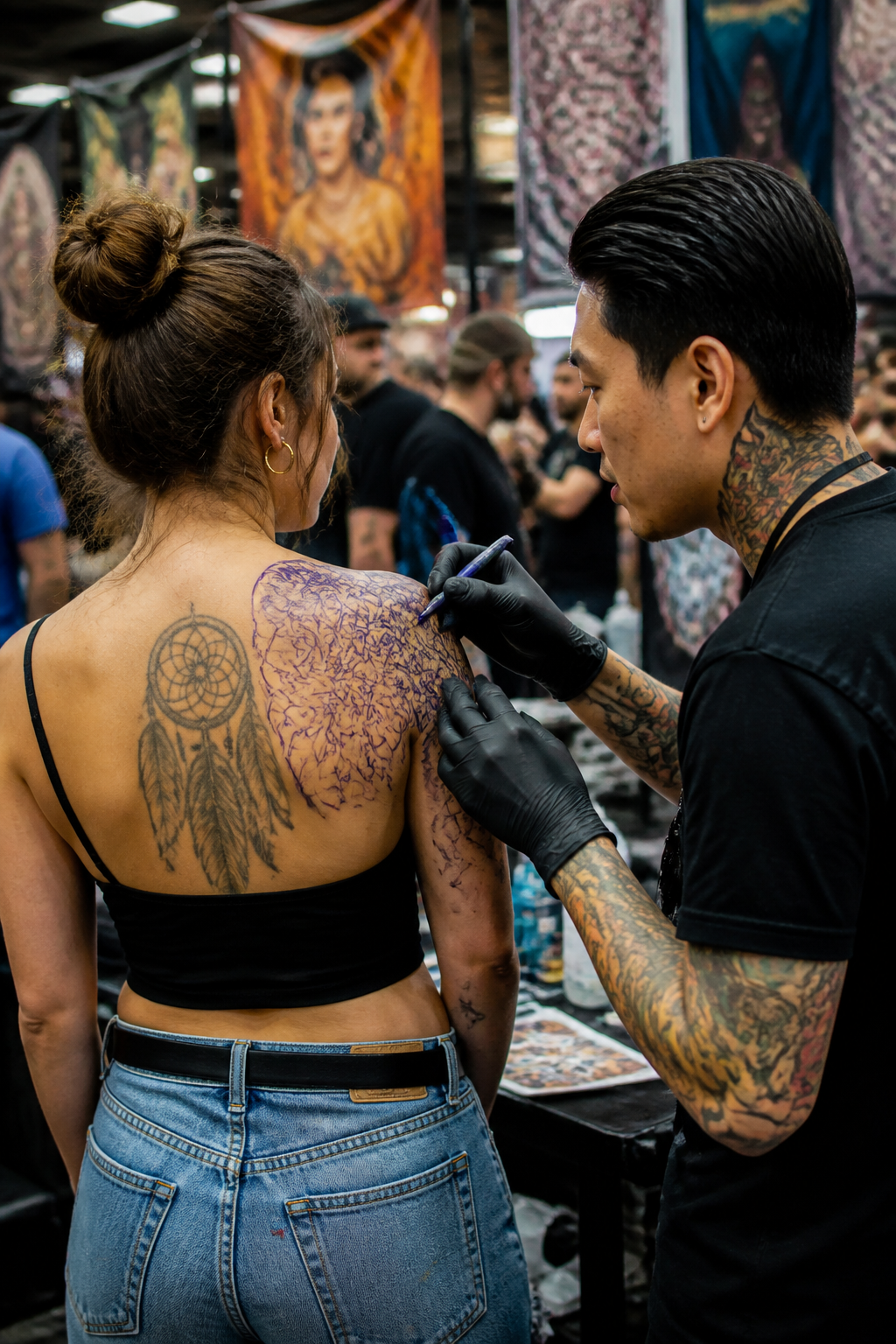
A successful Tattoo cover-up is less about erasing the past and more about the clever redirection of the viewer's eye. Darker pigments are essential because new ink does not sit on top of the old; instead, the two layers of pigment blend within the dermis. This means your new design must be strategically denser and more detailed than the original piece to effectively mask what lies beneath.
Design strategy is the most critical component of the process. While you might want a delicate floral piece to hide an old tribal band, reality often dictates a different path. Bold textures, heavy shading, and rich colors like deep blues, greens, or blacks are the most effective tools for camouflage. Organic shapes and intricate patterns help break up the recognizable silhouettes of the old work.
In many cases, a few sessions of laser removal are recommended before the new ink is applied. This process, known as fading, lightens the old pigment enough to expand your design options. By breaking down the darkest areas of the existing piece, you give your artist a cleaner canvas, which prevents the old tattoo from 'ghosting' through the new work after it heals.
Choosing the right artist for a Tattoo cover-up is a different game than picking a specialist for a fresh piece. You need someone with a deep understanding of color theory and spatial awareness. Look for portfolios that specifically feature 'before and after' shots to ensure they can manage the unique challenges of camouflage and skin saturation.
Communication is your best tool when walking into the studio. Be prepared to be flexible with your vision, as the existing ink will dictate the size and flow of the new piece. A great artist will explain why certain elements will work while others won't, ensuring your reclamation project looks intentional rather than like a desperate patch-up.
Ultimately, a Tattoo cover-up is an investment in your skin's future. By respecting the technical limitations of pigment and working with the natural flow of your body, you can transform a source of regret into a centerpiece of pride. It is about evolving your aesthetic and ensuring your skin tells the story you want to share today.