
Ink Strategy: The Reality Behind a Successful Tattoo cover-up
2 months ago
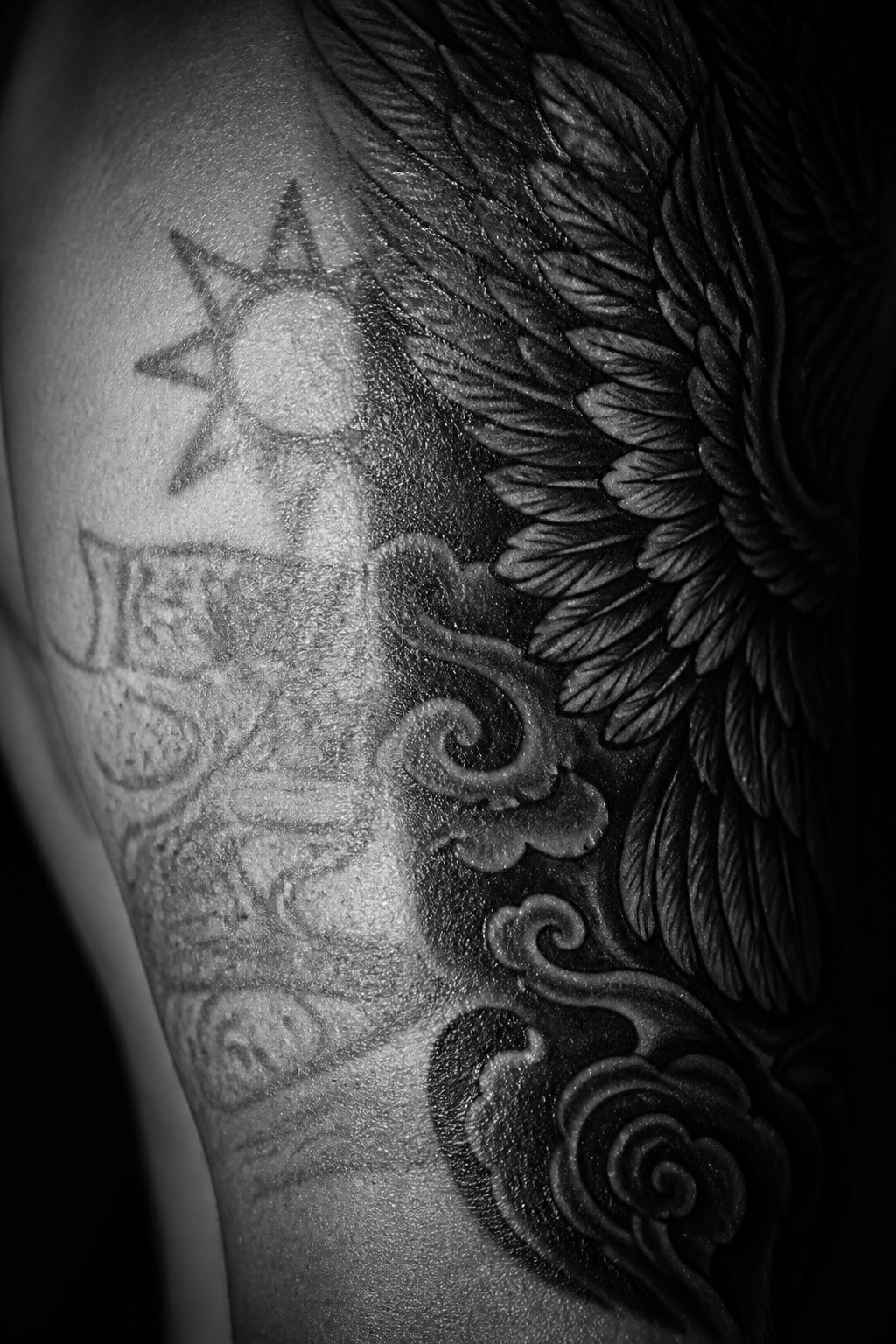
A successful tattoo cover-up is less about erasing the past and more about strategic camouflage. When you decide to hide an old piece, you have to understand that tattoo ink is translucent, not opaque. This means the new design must be expertly layered over the old one, often requiring darker shades and denser saturation to ensure the previous image doesn't ghost through the new skin art.
Design strategy is everything when planning a cover-up. Traditional styles with bold lines and heavy shading, such as neo-traditional or illustrative blackwork, tend to work best. Organic shapes like floral arrangements or feathers are excellent choices because their irregular patterns can easily mask the rigid lines of an old name or symbol that you no longer want to display.
Sometimes, the existing ink is too dark or saturated for a direct hit. In these cases, many artists recommend a few sessions of laser fading first. Lightening the old pigment provides a blanker canvas, which expands your options for the new design. Without a bit of fading, you might be stuck with a very large, very dark piece that lacks the detail you were originally hoping for.
Choosing the right artist for a tattoo cover-up is arguably the most critical step. Not every great tattooist is a specialist in concealment. You need a professional who understands color theory—specifically how different pigments interact with one another—and someone who can show a portfolio of healed cover-up work to prove the old ink stayed hidden over time.
Ultimately, patience is your best tool. A high-quality cover-up may take more sessions than a fresh piece on clean skin because the artist is working against existing scar tissue and pigment layers. By respecting the process and following a specialist's technical advice, you can turn a regrettable mistake into a centerpiece you are proud to wear.