Ink Strategy: The Reality Behind a Successful Tattoo cover-up
2 months ago
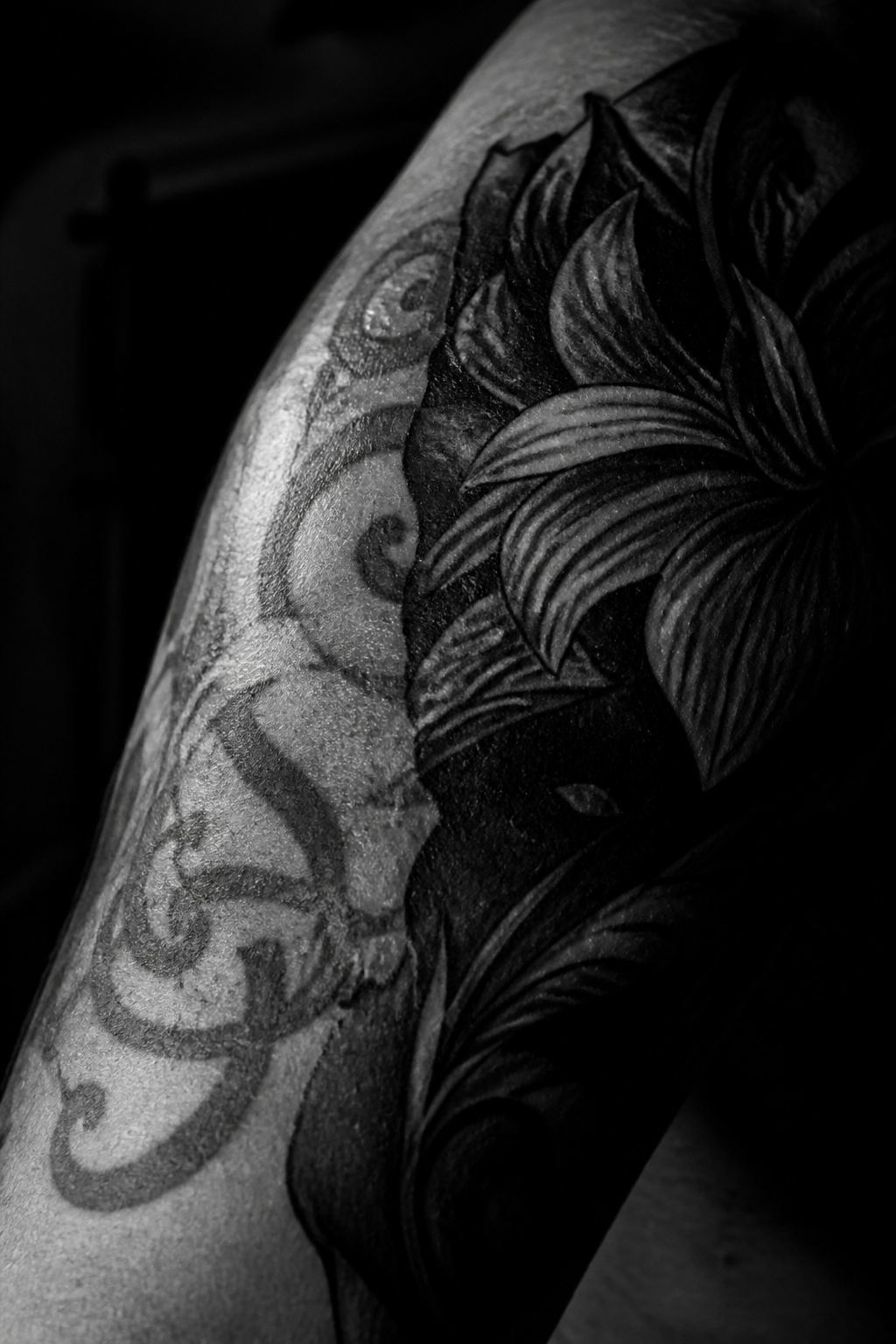
A successful tattoo cover-up is less about erasing the past and more about strategic distraction. When you head to the studio to hide an old piece, your artist isn't using an eraser; they are layering new pigments over old ones. Because tattoo ink is translucent, the new design must be darker, bolder, and more saturated than the original to effectively camouflage the previous lines.
Design strategy is everything in this process. You cannot simply put any image over another. Professional cover-up artists use the 'flow' of the existing tattoo to determine where to place heavy shading and where to use detail. Elements like deep blues, blacks, and purples are common, while textured patterns or organic shapes help break up the recognizable silhouette of the old ink underneath.
Sometimes, the original tattoo is simply too dark or too large for an immediate fix. This is where many collectors choose a laser fade first. Just two or three sessions of laser removal can lighten an old piece enough to drastically expand your design options. Without lightening, you might be stuck with a very large, dark design that you didn't actually want just to hide the old one.
Picking the right artist is the final, most crucial step. Not every great tattooer is skilled at the unique geometry and color theory required for a tattoo cover-up. You should look for portfolios specifically featuring ‘Before and After’ shots. This proves the artist understands how vibrancy and depth work to create a window of new art over an old mistake.
Ultimately, communication with your artist is key. Be prepared to compromise on size or color palette to achieve the best result. A well-executed cover-up should look like a standalone masterpiece, leaving no trace of the ink that came before it, giving your skin a fresh start and a brand new narrative.