Ink Strategy: The Reality Behind a Successful Tattoo cover-up
2 months ago
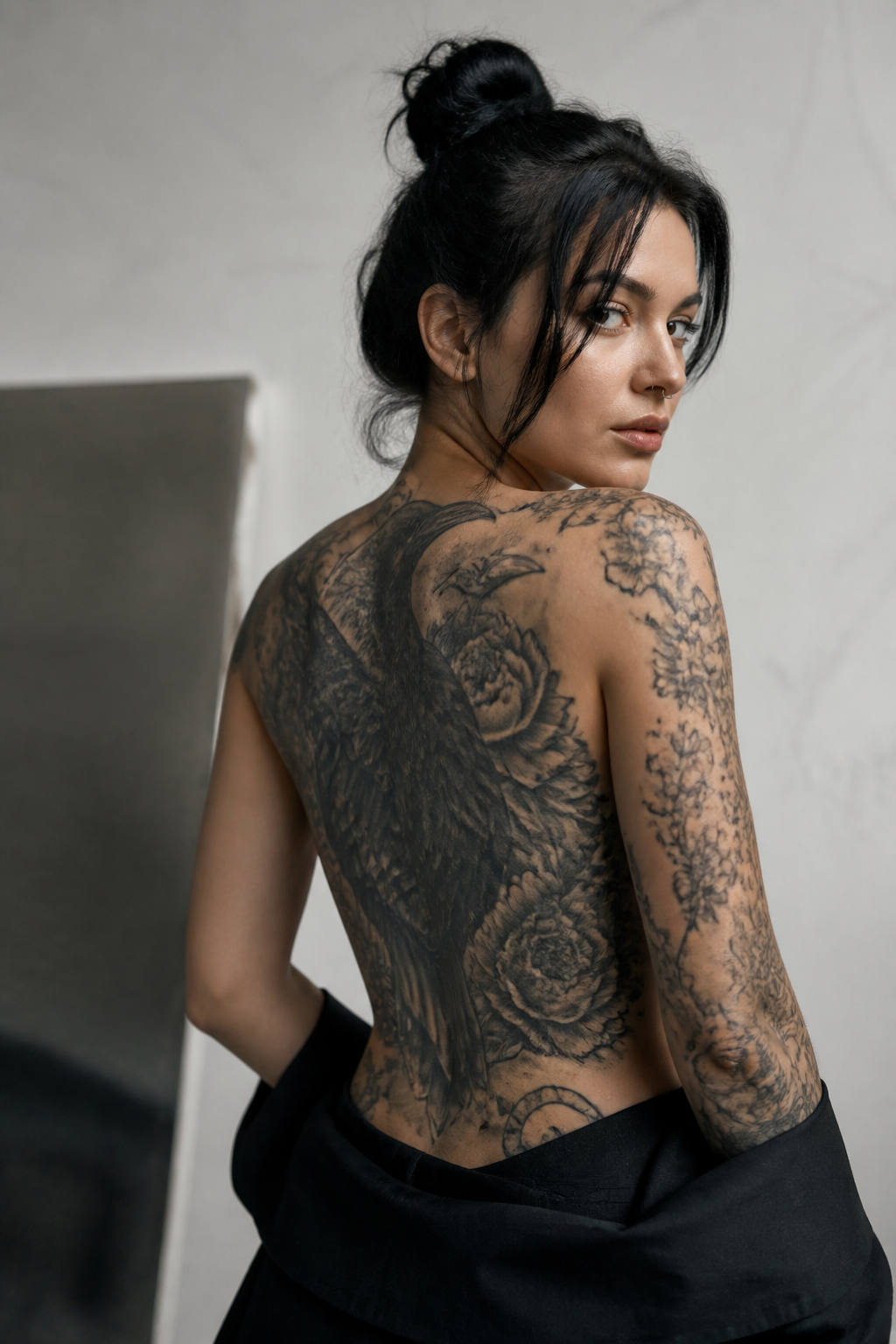
A successful tattoo cover-up is less about erasing the past and more about the art of distraction. Unlike a fresh piece of skin, a secondary tattoo has to contend with existing pigment, which restricts the palette and the flow of the new design. You can’t simply put a lighter color over a darker one; the science of ink saturation means the darker tones will eventually bleed through if they aren't properly integrated.
Design strategy is the most critical element of the process. Your artist will often use busy patterns, high-contrast textures, and dark saturation to draw the eye away from the old marks. Organic shapes like flora or deep-shaded imagery are popular choices because they allow for flexible placement of dark shadows over the densest parts of the original ink.
Sometimes, the best tattoo cover-up begins with a few sessions of laser removal. This is called 'lightening for a cover-up.' Instead of fully removing the piece, laser sessions break down the heavy blacks and deep blues just enough to give your new artist a more workable canvas. This expansion of possibilities often leads to a 훨씬 better final result than forced layering.
Not every tattooer is a specialist in this field. Cover-ups require an advanced understanding of color theory and ink depth. When searching for an artist, specifically ask for 'before and after' photos of their cover-up work to see how they handle camouflage. Patience is key, as these pieces often require multiple passes to ensure the old shadow doesn't ghost through during the healing phase.