
Ink Strategy: How a Tattoo Cover-Up Transforms Old Mistakes
6 days ago
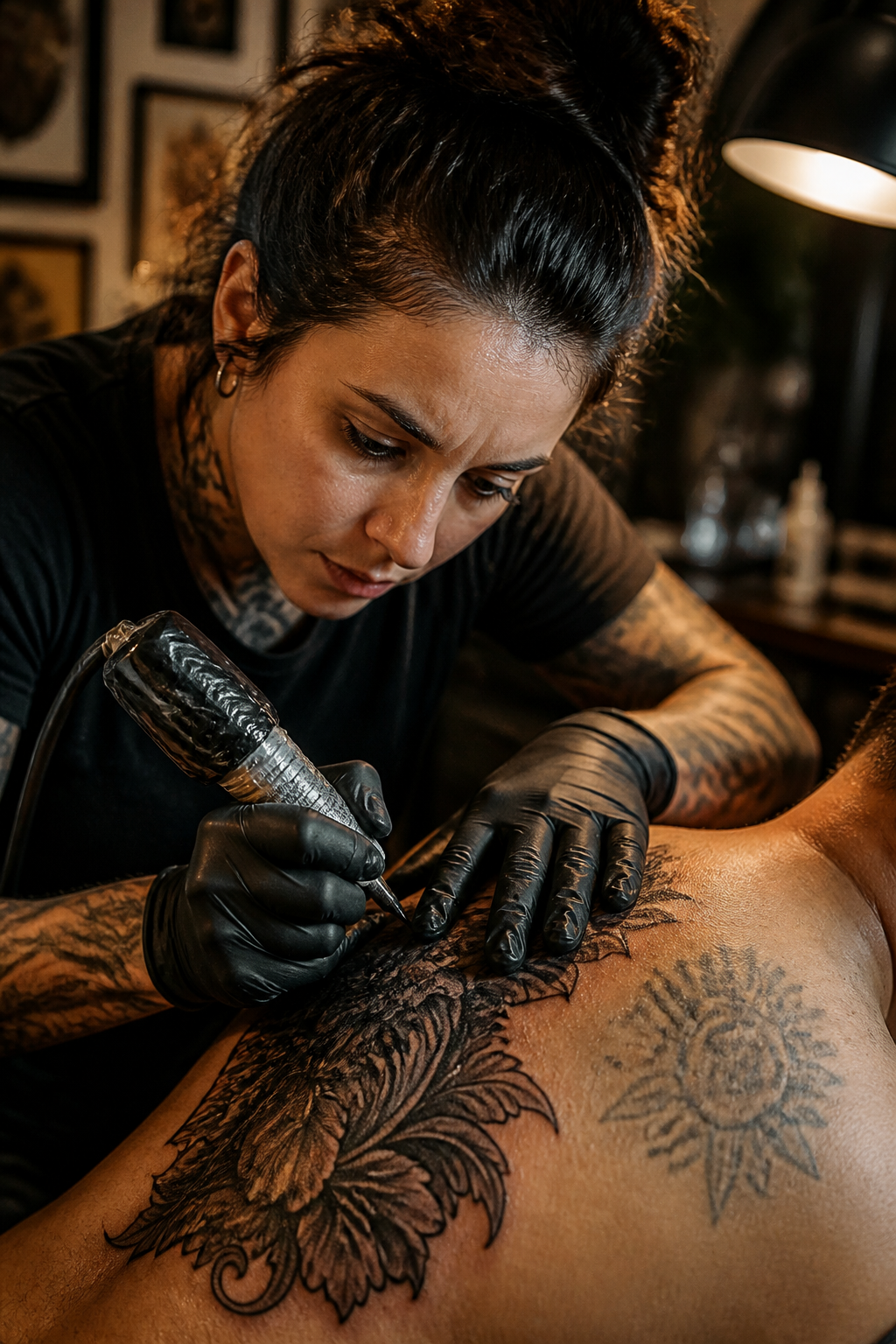
A successful tattoo cover-up is less about erasing the past and more about strategic camouflage. Unlike a fresh canvas, a cover-up artist must contend with existing pigments already settled in the dermis. The process involves using darker values and complex textures to trick the eye, ensuring the old design is no longer the focal point. Understanding these technical limitations is the first step toward a successful transformation.
Design strategy is critical when planning your new piece. You cannot simply place a light, airy design over a heavy black tribal piece. Cover-ups typically require a larger footprint than the original ink to draw attention away from the underlying marks. Artists often utilize high-detail areas, such as dense floral patterns or intricate mechanical textures, to break up the silhouette of the old tattoo and mask its borders effectively.
Saturation and color theory play the biggest roles in the execution. Cool tones like deep blues, greens, and purples are far more effective at masking old ink than warm tones like yellow or orange. A skilled artist will layer these pigments strategically, often requiring multiple passes to ensure the old lines don't 'ghost' through as the new tattoo heals. It is a game of depth and density that requires a specific technical eye.
Sometimes, the original tattoo is simply too dark or scarred for an immediate fix. This is where a laser fade becomes a powerful tool. By undergoing a few sessions of laser removal, you can lighten the old ink enough to expand your design options significantly. A faded base allows for more vibrant colors and less restrictive imagery, turning a difficult project into a creative opportunity.
Choosing the right artist for a tattoo cover-up is perhaps the most important decision you will make. Not every talented tattooer is comfortable with the constraints of a cover-up. Look for a specialist who showcases 'before and after' photos in their portfolio. You want someone who understands how ink interacts beneath the skin and who can honestly tell you what will and won't work for your specific situation.
Ultimately, a cover-up is a collaborative effort between you and a technical expert. By being flexible with your design and trusting the artist's knowledge of color density, you can turn a source of regret into a stunning piece of custom art. With the right approach, your old ink becomes nothing more than a memory hidden beneath a new masterpiece.