Ink Resurrection: The Truth Behind a Quality Tattoo Cover-Up
7 days ago
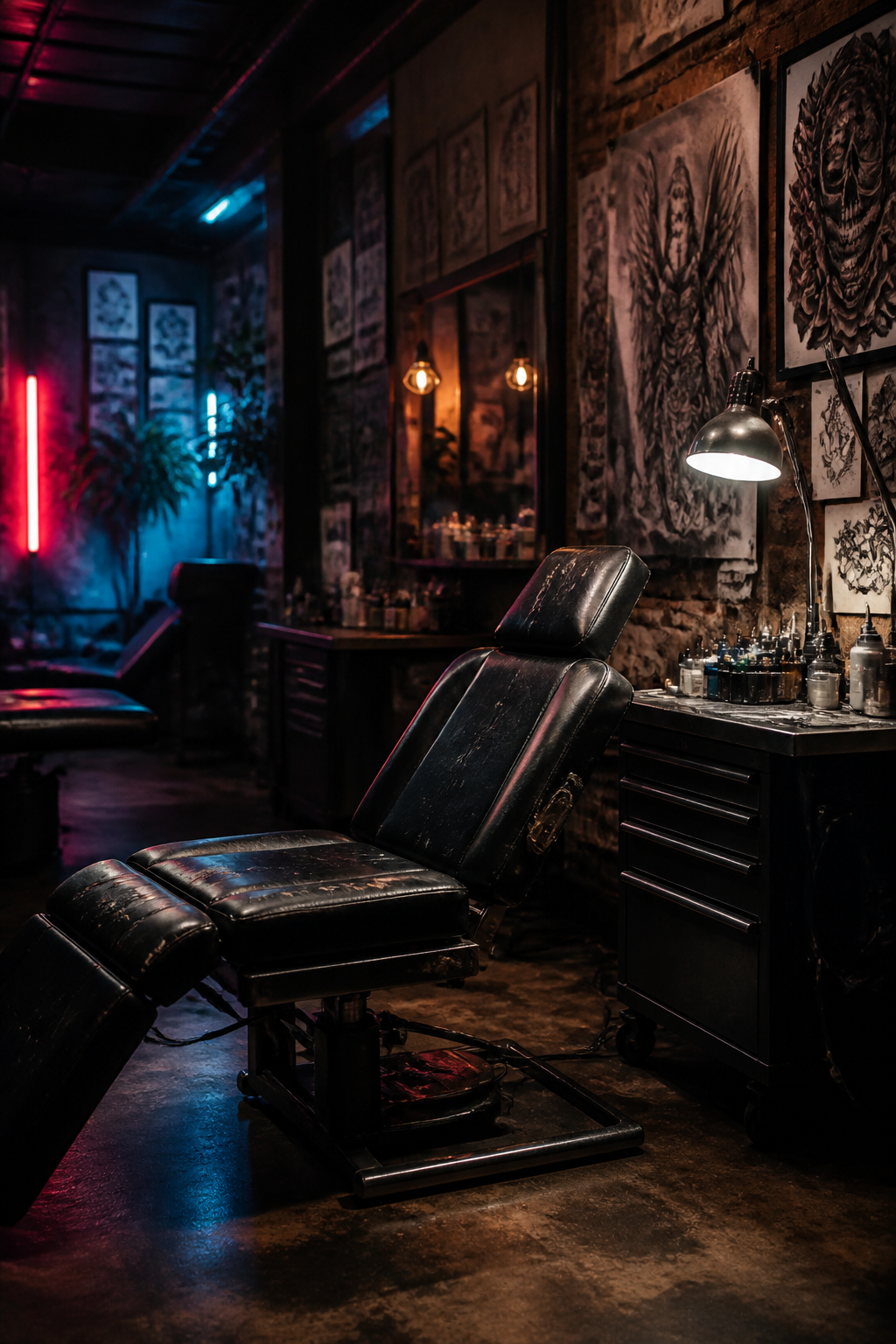
A successful tattoo cover-up is not as simple as painting over a canvas. Because tattoo ink sits within the dermis, the new pigment must interact with the old colors rather than just hiding them. Darker inks like black, navy, and deep purple are often required to dominate the existing design, as lighter shades will simply blend and create a muddy appearance over time.
Strategy is the most critical element when planning a transformation. A skilled artist will use the flow of the new design to disguise old outlines, often placing the busiest parts of the new artwork directly over the darkest areas of the old piece. Texture and heavy saturation are your best allies, making styles like neo-traditional or bold illustrative work ideal for these projects.
Not every old piece can be hidden immediately. If your existing ink is particularly dark or scarred, a few sessions of laser removal to fade the pigment may be necessary. Fading the old work expands your design options significantly, allowing for a broader color palette and more negative space in the new composition without the risk of the old lines showing through.
Picking the right artist is the final piece of the puzzle. Cover-ups require a specific understanding of color theory and spatial planning that differs from starting on fresh skin. Look for a portfolio that showcases 'before and after' shots to ensure they can manage the unique challenges of camouflaging old work while maintaining structural integrity in the new art.