
Ink Resurrection: The Technical Strategy of a Tattoo cover-up
3 days ago
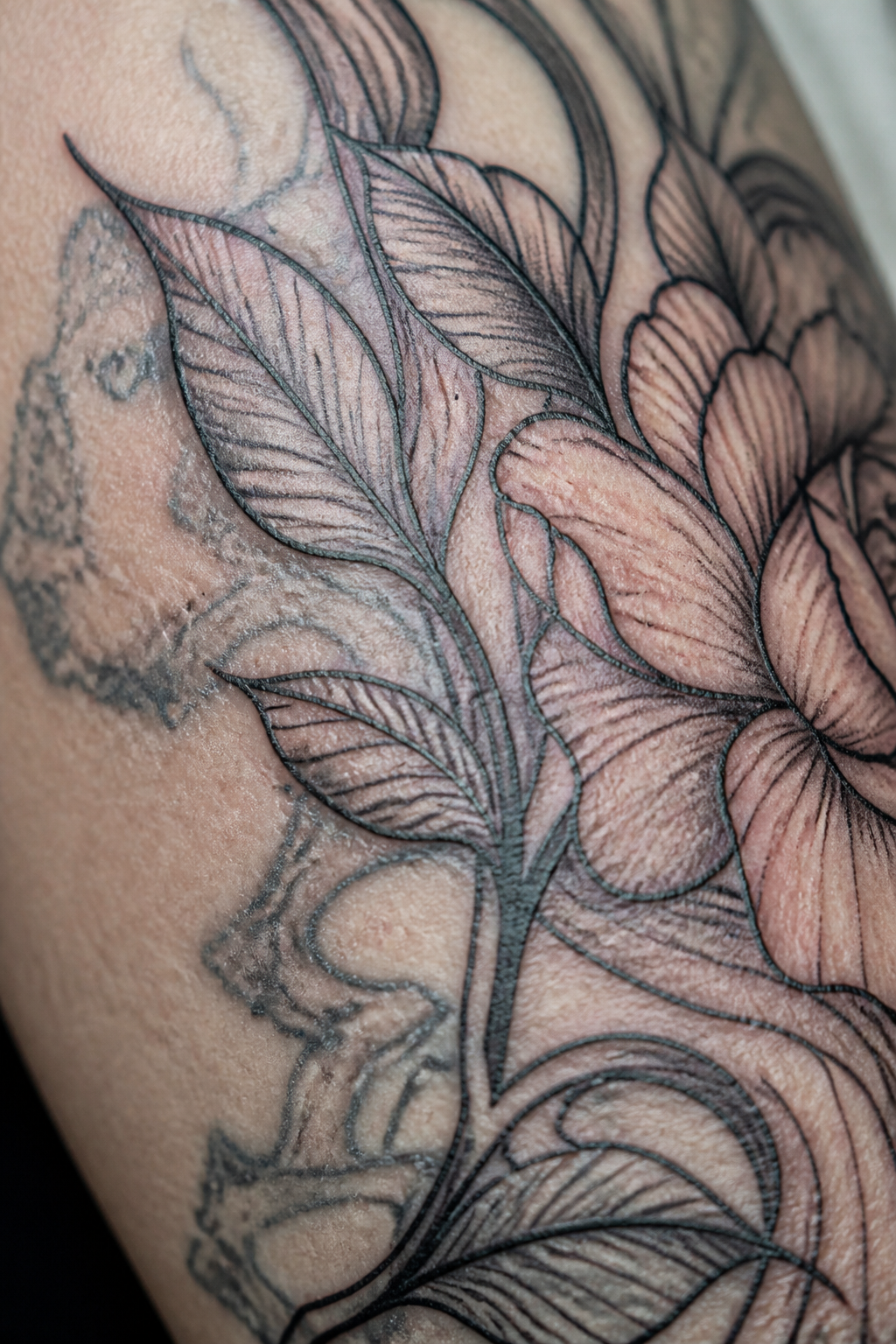
Executing a successful Tattoo cover-up is less about erasing the past and more about the art of camouflage. Unlike starting on a blank canvas, your artist must work with existing pigment already trapped in the dermis. This means the new design must be strategically darker, denser, or more detailed than the original to effectively distract the eye from what lies beneath.
Design strategy is the most critical element of the process. High-contrast imagery, such as deep floral patterns or textured bio-mechanical styles, works best because they break up the old lines. A common mistake is assuming a light color can mask a dark one; in reality, ink is translucent, and the old tattoo will eventually show through if the new layer isn't planned with enough saturation.
In some cases, the old ink is simply too saturated or scarred for an immediate fix. This is when a professional will recommend a few sessions of laser fading. Lightening the old piece significantly expands your design options, allowing for a broader color palette and finer details that wouldn't be possible over a solid black block of old ink.
Choosing the right artist for a Tattoo cover-up is just as important as the design itself. Look for a specialist who displays a portfolio of healed cover-up work, not just fresh photos. You need someone who understands color theory and how different pigments interact over time to ensure your new piece stays vibrant and the old one stays hidden.
Finally, manage your expectations regarding size. A cover-up almost always needs to be significantly larger than the original piece to allow for proper blending and flow. By giving the artist more room to work, they can create a composition where the focal point is far away from the old tattoo’s heaviest lines, resulting in a piece that looks intentional rather than like a patch-up job.