
Ink Resurrection: The Real Science Behind a Successful Tattoo cover-up
2 months ago
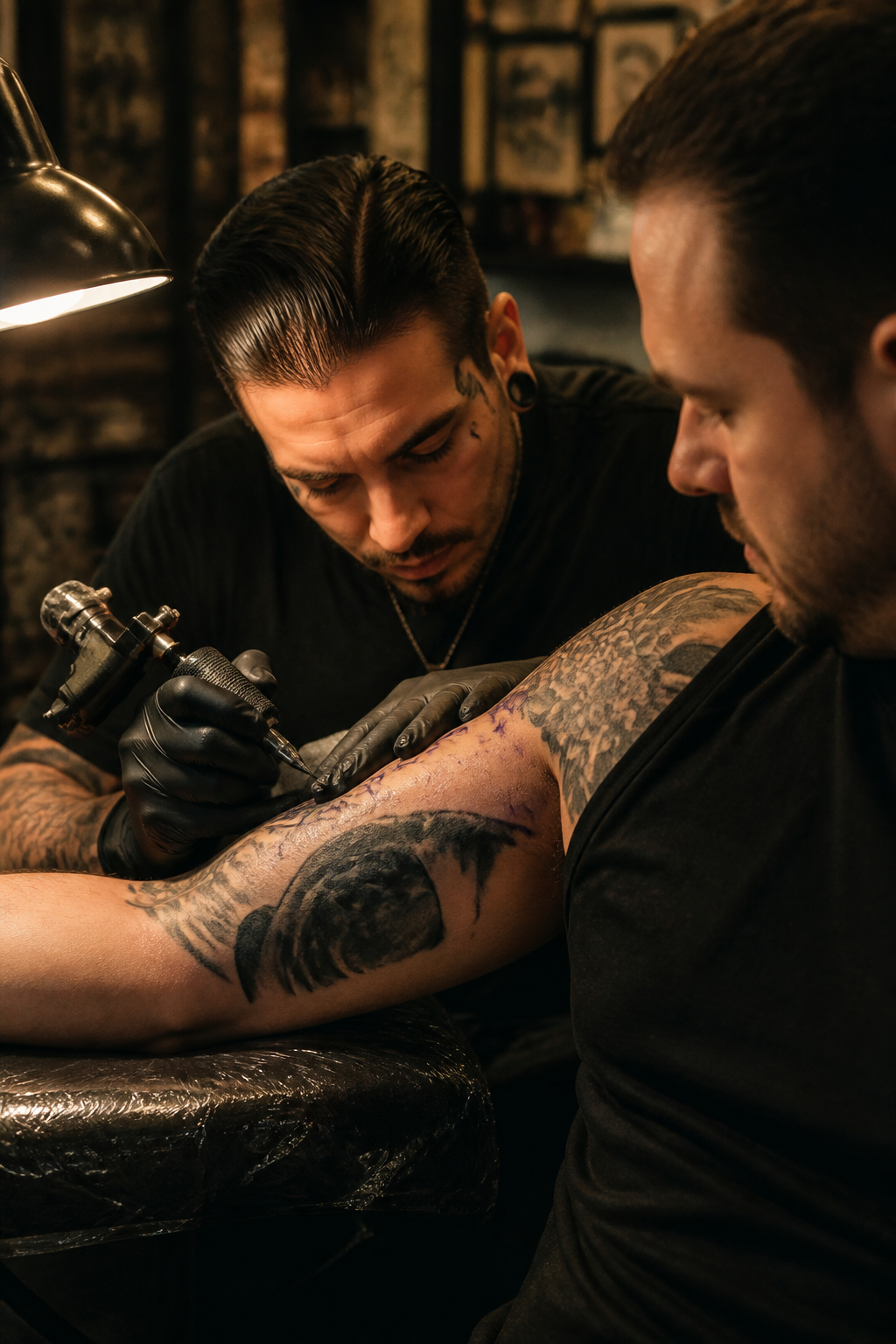
A tattoo cover-up is not as simple as painting over a wall. Because tattoo ink sits in the dermis, the new ink doesn't sit on top of the old; instead, the two colors blend together to create a new, darker hue. This is why you rarely see a light-colored design successfully mask a dark, heavy tribal piece without significant strategic planning from the artist.
Strategy is the name of the game when it comes to hiding old mistakes. Successful designs often utilize organic shapes, deep textures, and high-contrast patterns to distract the eye from the silhouette underneath. Artists frequently use cool tones like deep blues, greens, and purples, as these are more effective at neutralizing the warm, faded tones of aged black ink.
Sometimes, the existing ink is simply too saturated for an immediate fix. In these cases, a few sessions of laser removal to 'fade' the piece are highly recommended. Fading the old work expands your design options significantly, allowing for more negative space and lighter color palettes that would otherwise be impossible with a direct cover-up attempt.
Choosing the right artist is the most critical step in this journey. Not every talented tattooer is skilled in the specific engineering required for a tattoo cover-up. You need a specialist who understands color theory and how to manipulate the eye's focus. Look for portfolios that specifically showcase 'before and after' photos to verify their ability to hide old outlines.
Expect the new piece to be significantly larger than the original. To properly camouflage a mistake, the new artwork usually needs to be two to three times the size of the old one. This provides enough room for the artist to integrate the old lines into a busy area of the new design, ensuring the old ink remains invisible even after the skin has fully healed.