Ink Reinvented: Navigating the Complexities of a Tattoo cover-up
6 hours ago
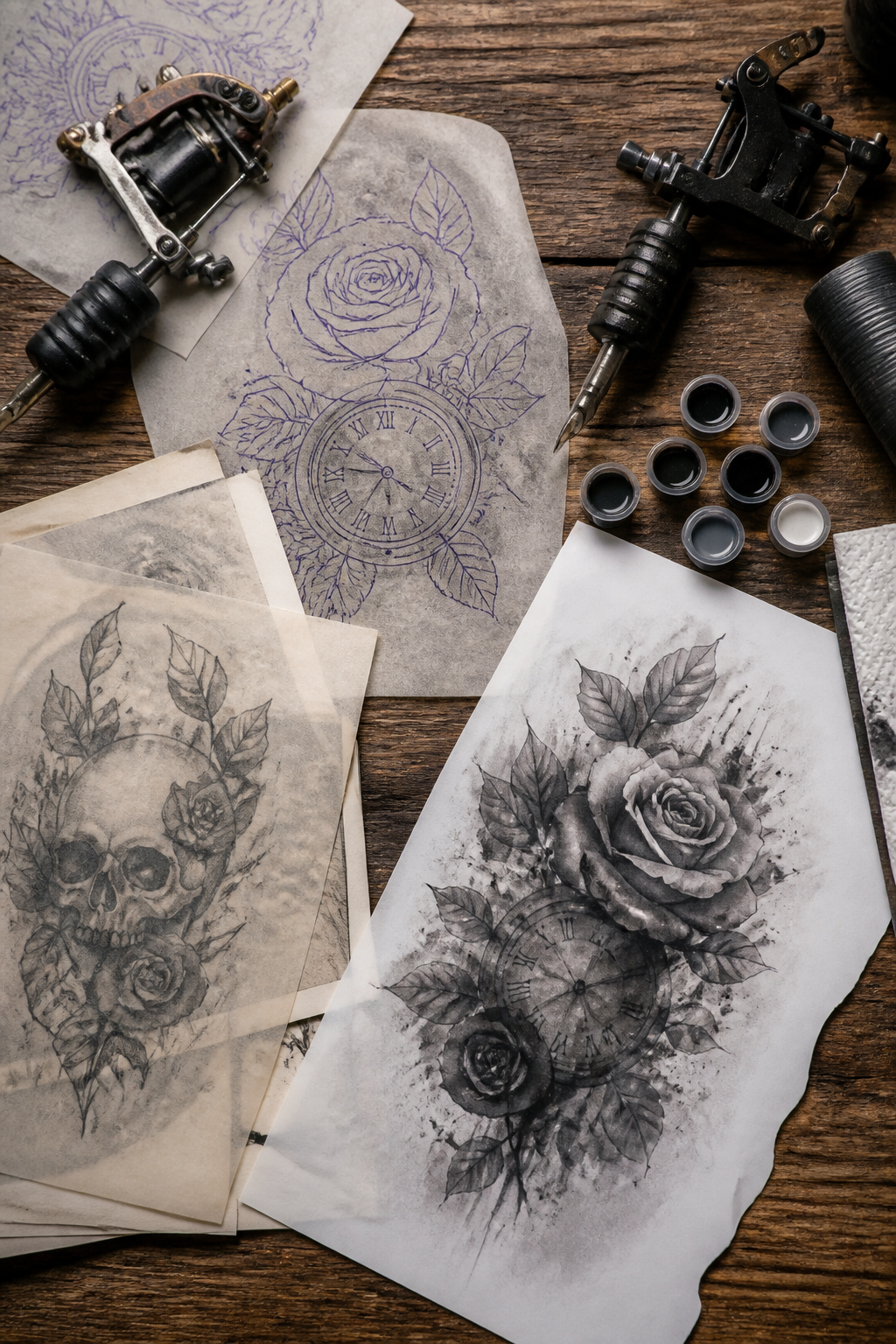
A successful Tattoo cover-up is less about erasing the past and more about the art of redirection. Unlike a fresh canvas, a cover-up must contend with existing pigment already settled in the dermis. The new design doesn't just sit on top; the inks actually mingle, which is why your artist will likely suggest darker, more saturated colors like deep blues, magentas, or blacks to effectively mask the old work.
Design strategy is the most critical component of the process. A skilled artist won't just slap a solid block of color over your old ink. Instead, they use texture and detail to distract the eye. Complex patterns, organic shapes, and heavy shading are used to break up the recognizable lines of the original piece, making the old tattoo virtually invisible within the new composition.
Not every old piece is an immediate candidate for a direct Tattoo cover-up. If the original tattoo is exceptionally dark, scarred, or raised, your artist may recommend a few sessions of laser tattoo removal first. This 'fading' process lightens the old pigment enough to expand your design options, allowing for a broader color palette and more delicate detail in the final result.
Size is another reality you must face. To properly hide an old design, the new Tattoo cover-up typically needs to be significantly larger than the original. This provides enough room to blend the old ink into the shadows of the new piece while creating enough 'clean' space to make the new artwork pop without looking cluttered or muddy.
Picking the right artist is the final, vital step. Cover-ups require a specific understanding of color theory and spatial planning that differs from standard tattooing. Look for portfolios that specifically showcase 'before and after' photos. A specialist will be honest about what is possible, ensuring your new ink is a masterpiece you’re proud to wear rather than a dark silhouette of a mistake.