Ink Redemption: The Strategy Behind a Successful Tattoo cover-up
25 days ago
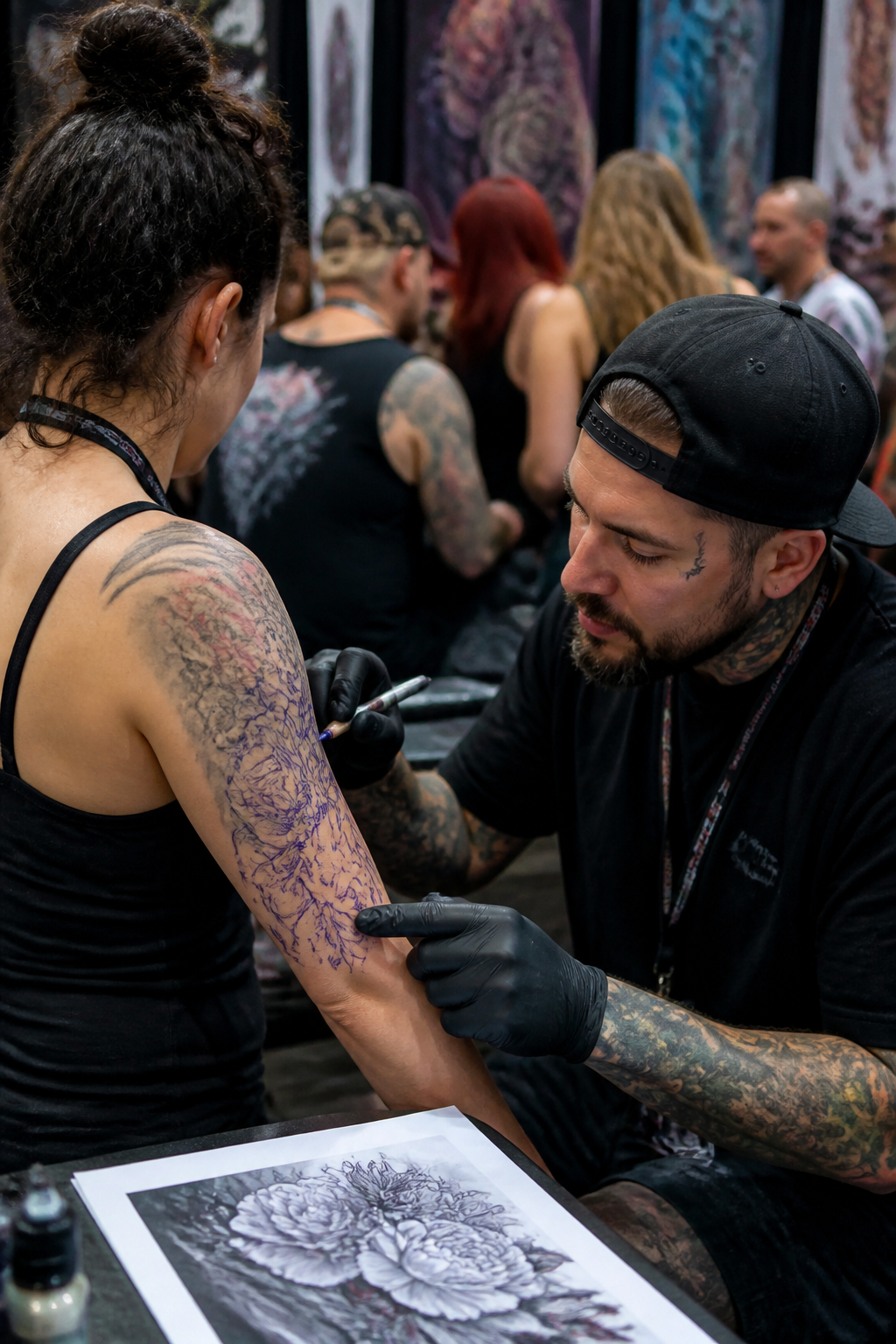
A successful Tattoo cover-up is not just about layering new ink over old; it is a complex game of color theory and visual deception. Darker pigments generally win the battle against lighter ones, but the existing lines of your old tattoo act as a permanent blueprint that must be integrated or masked. A skilled artist will use busy textures, deep shading, and high-contrast patterns to draw the eye away from the ghost of the previous design.
Design strategy is paramount when planning your transformation. You cannot simply place a light-colored portrait over a black tribal piece and expect success. Instead, artists often suggest motifs with natural organic flow or heavy saturation, such as traditional Americana or deep neo-traditional florals, which provide the density needed to obscure the original mark entirely.
Limitations are a reality of the process. A Tattoo cover-up will almost always be significantly larger than the original piece to ensure the old borders are completely swallowed by the new composition. If your old tattoo is exceptionally dark, thick, or scarred, your artist might suggest a 'hit' or two of laser removal to lighten the area first, creating a cleaner canvas for the new art.
Picking the right artist is the most critical step in this journey. Not every tattooer specializes in camouflage; it requires a specific understanding of how pigments mix under the skin. Look for portfolios that specifically showcase side-by-side 'before and after' shots to ensure they have a proven track record of creating vibrant, lasting solutions that don't look like a murky patch of ink.
Ultimately, the goal of a Tattoo cover-up is to give you a piece of art you are proud to display. By respecting the physics of ink and working with the existing contours of your skin, you can turn a past mistake into a masterful centerpiece. Be patient with the consultation process, as a well-planned cover-up is the best way to reclaim your skin's narrative.