
Ink Redemption: A Strategic Look at the Modern Tattoo cover-up
2 months ago
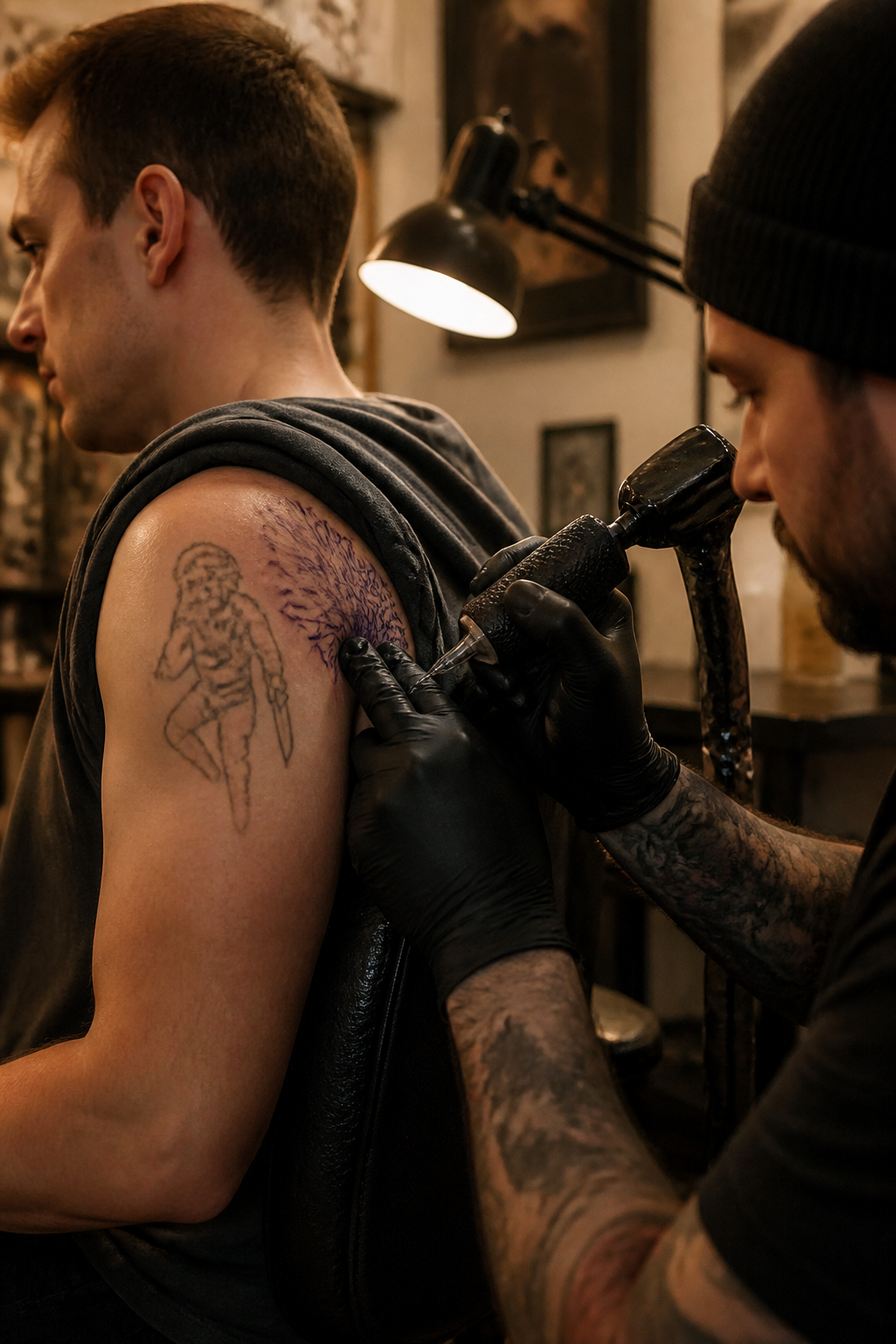
A successful Tattoo cover-up is not just about slapping new ink over the old. It is a complex game of color theory and visual deception. Because tattoo ink is translucent, the new pigment does not sit on top of the old; instead, they mix within the dermis. This means a skilled artist must choose colors and patterns that can effectively camouflage the dark lines of the original piece.
Design strategy is the most critical element of the process. Large, saturated areas and busy textures, such as heavy bio-mechanical details or deep floral shading, work best to distract the eye. Fine lines and negative space are rarely options, as the underlying ghost of the previous tattoo will almost always peek through lighter tones or empty skin.
Sometimes, the original ink is too dark or scarred to be hidden immediately. In these cases, a few sessions of laser fading are often recommended. Lightening the old work significantly expands the possibilities for the new design, allowing for a broader color palette and more delicate details that wouldn't be possible on a pitch-black canvas.
Choosing the right professional is non-negotiable. Not every talented tattooer is a cover-up specialist. This niche requires an artist who understands how light interacts with skin and how to manipulate high-contrast imagery to redirect the viewer's focus away from the old silhouette.
Communication during the consultation phase sets the tone for the entire project. You should expect your artist to be honest about what is achievable. If they suggest a design larger than the original, it is usually to ensure the old borders are completely obscured and the new composition looks intentional rather than like a patch.
Ultimately, a Tattoo cover-up is about transformation and reclaiming your skin. With the right preparation and a specialist at the helm, a piece of art you once regretted can become the foundation for your favorite new addition to your collection.