Ink Reconstruction: The Strategy Behind a Flawless Tattoo cover-up
15 days ago
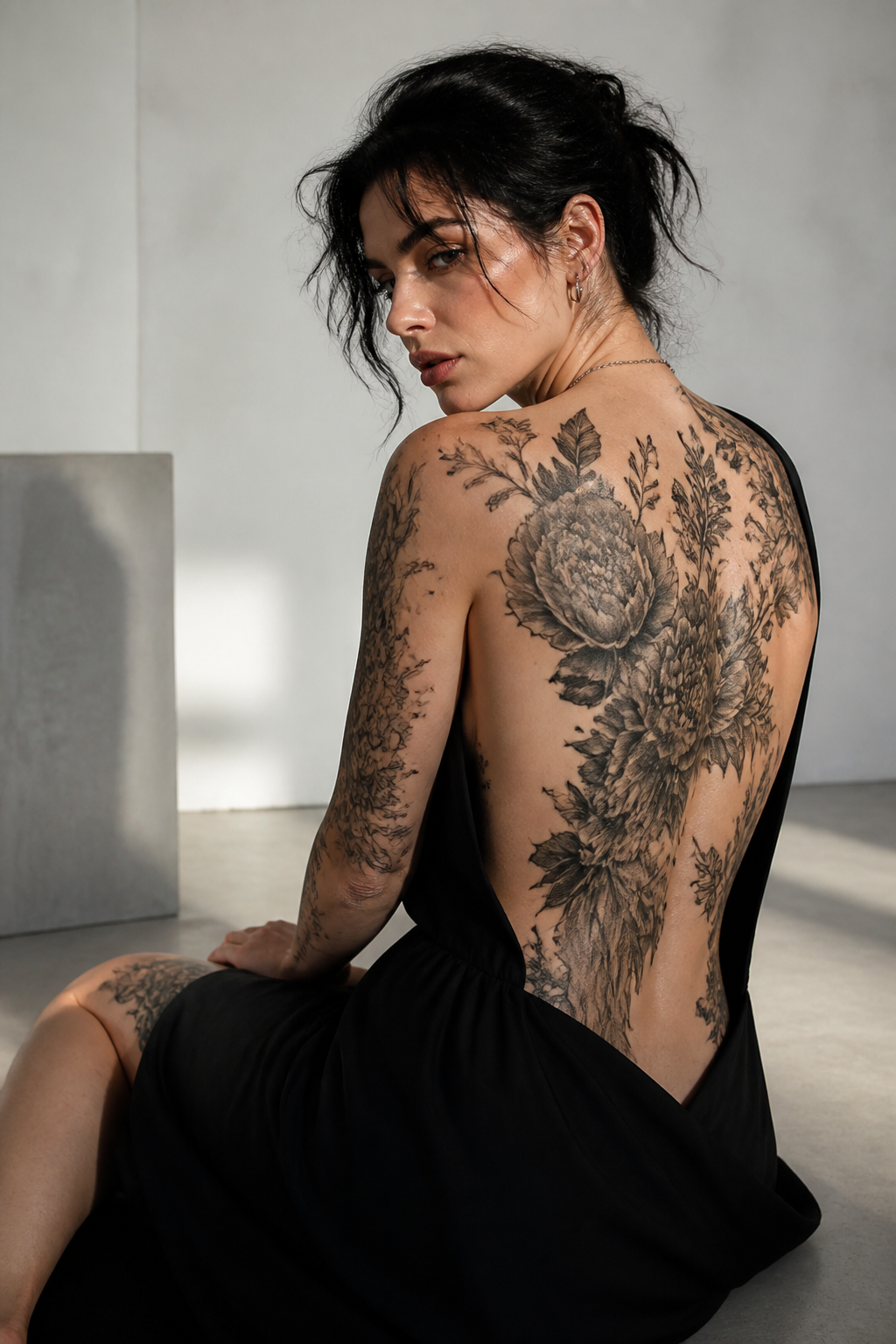
A successful Tattoo cover-up is less about hiding a mistake and more about clever camouflage. Unlike painting on a blank canvas, a cover-up artist must work with the existing pigment trapped in your skin. Dark inks like black and blue cannot be simply painted over with lighter colors; instead, the new design must integrate the old shapes into deep shadows or intricate textures to make the original vanish.
Design strategy is the most critical component of the process. Artists often use organic shapes, high-detail patterns, or heavy saturation to distract the eye. Bold traditional styles or illustrative pieces with significant shading work best. Small, dainty linework is rarely an option because the original tattoo will likely ghost through the new thin lines over time as the ink settles.
Sometimes, the original piece is too dark or dense for an immediate fix. In these cases, a few sessions of laser fading are recommended before starting the Tattoo cover-up. Lightening the old ink by even thirty percent expands your design options exponentially, allowing for a wider color palette and more negative space in the new artwork.
Choosing the right artist is the final piece of the puzzle. Not every talented illustrator is skilled at cover-up work, as it requires a deep understanding of color theory and how different inks interact beneath the surface. Look for a specialist with a dedicated portfolio of 'before and after' photos that show healed results, ensuring the old ink hasn't bled back through.
Ultimately, a Tattoo cover-up is a collaborative effort between your vision and the reality of your skin's history. By respecting the limitations of the medium and choosing a design that works with your body's existing marks, you can turn a source of regret into a centerpiece of high-quality art.