
Ink Reclamation: The Technical Truth Behind a Successful Tattoo cover-up
5 days ago
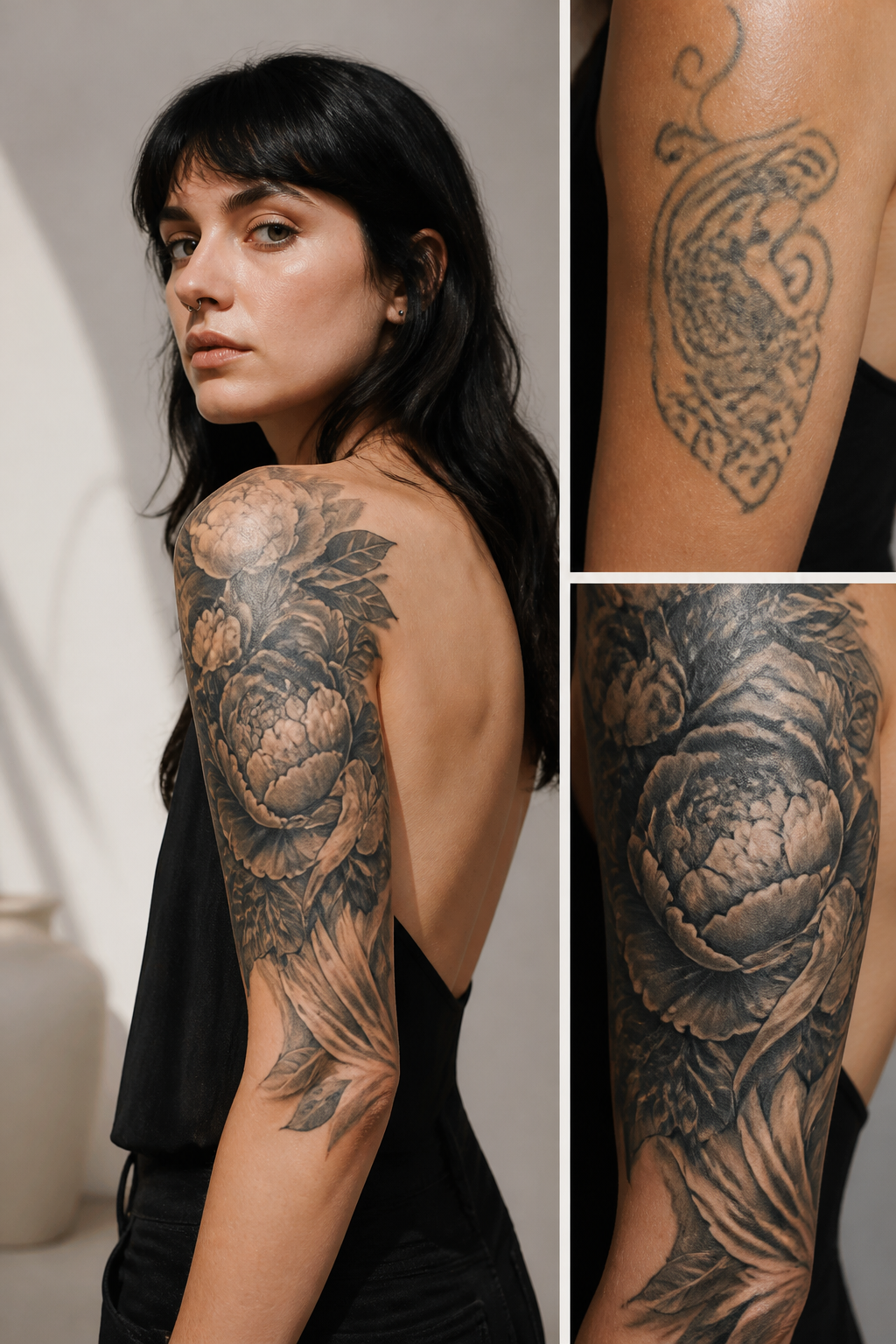
A professional Tattoo cover-up is not as simple as painting a new mural over a white wall. Because tattoo ink is translucent, the new pigment actually blends with the old ink sitting in the dermis. This means a yellow flower cannot simply be placed over a black tribal piece; the result would be a muddy, dark mess. Understanding the color theory behind these interactions is the first step in reclaiming your skin.
Design strategy is the most critical element of the process. Artists often use detailed textures, deep saturation, and strategic placement of darker values to distract the eye from the old silhouette. Organic shapes, like heavy florals or dark illustrative work, are frequently used because their irregular outlines can easily camouflage the rigid lines of an unwanted piece. The goal is to make the old tattoo invisible through visual distraction.
In some cases, the original ink is too dark or saturated for an immediate fix. This is when an artist might suggest a few sessions of laser fade first. Lightening the existing artwork provides a much more flexible 'canvas,' allowing for a wider variety of colors and styles in the final Tattoo cover-up. Even two or three sessions can be the difference between a cramped, dark design and a vibrant piece of art.
Choosing the right artist is non-negotiable for this type of project. Not every talented tattooist is skilled in the nuances of camouflage work. You need a specialist who understands how to manage the 'flow' of a body part while hiding an existing distraction. Look for portfolios that specifically showcase 'before and after' photos to ensure they have a track record of successful transformations.
Lastly, manage your expectations regarding size. A successful Tattoo cover-up is almost always significantly larger than the original piece. The new design needs extra room to breathe and flow naturally so it doesn't look like a giant dark patch. By trusting the process and allowing the artist more space, you ensure the final result looks like an intentional masterpiece rather than a desperate correction.