
Ink Reclamation: The Technical Truth Behind a Successful Tattoo cover-up
18 days ago
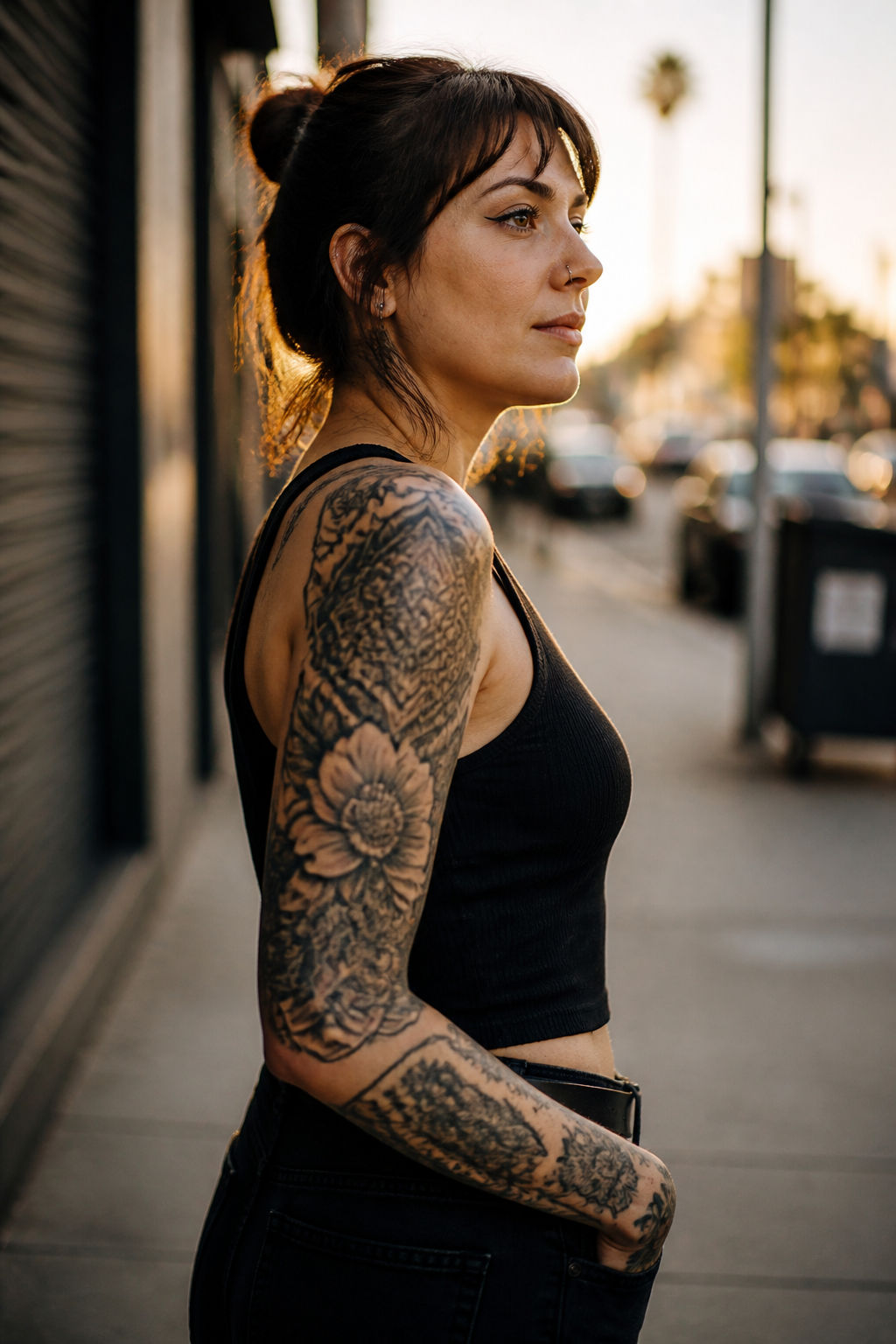
A successful tattoo cover-up is less about erasing the past and more about the clever manipulation of light and dark. Unlike a fresh canvas, the artist is working with existing pigments trapped in the dermis. This means you cannot simply place a light color over a dark one; instead, the new design must use strategic saturation and complex textures to camoflauge the old lines effectively.
Design strategy is the most critical element of the process. Artists often utilize 'distraction' techniques, such as high-detail focal points or busy patterns, to draw the eye away from the ghost of the previous work. Organic shapes like floral clusters or biomechanical textures are preferred over minimalist designs, as they provide the necessary density to mask stubborn black ink.
In some cases, the existing ink is too dark or raised to be covered immediately. This is when a professional will recommend a few sessions of laser fade first. Lightening the old piece by just thirty percent can drastically expand your options, allowing for a wider color palette and more breathable designs rather than being forced into a solid black piece.
Choosing the right artist is non-negotiable for this type of project. Cover-up specialists possess a deep understanding of color theory and how specific pigments interact when layered. You should always look for a portfolio that includes 'before' photos alongside the 'after' shots to see how they manage the underlying structure of the original work.
Communication and patience are your best tools during this transformation. Because the skin is already traumatized from previous sessions, cover-ups often require multiple passes to ensure the old ink doesn't 'bleed' through the new design as it heals. Trusting the process ensures that your final piece looks like a deliberate work of art rather than a desperate fix.