
Ink Reclamation: The Technical Reality of a Tattoo cover-up
12 days ago
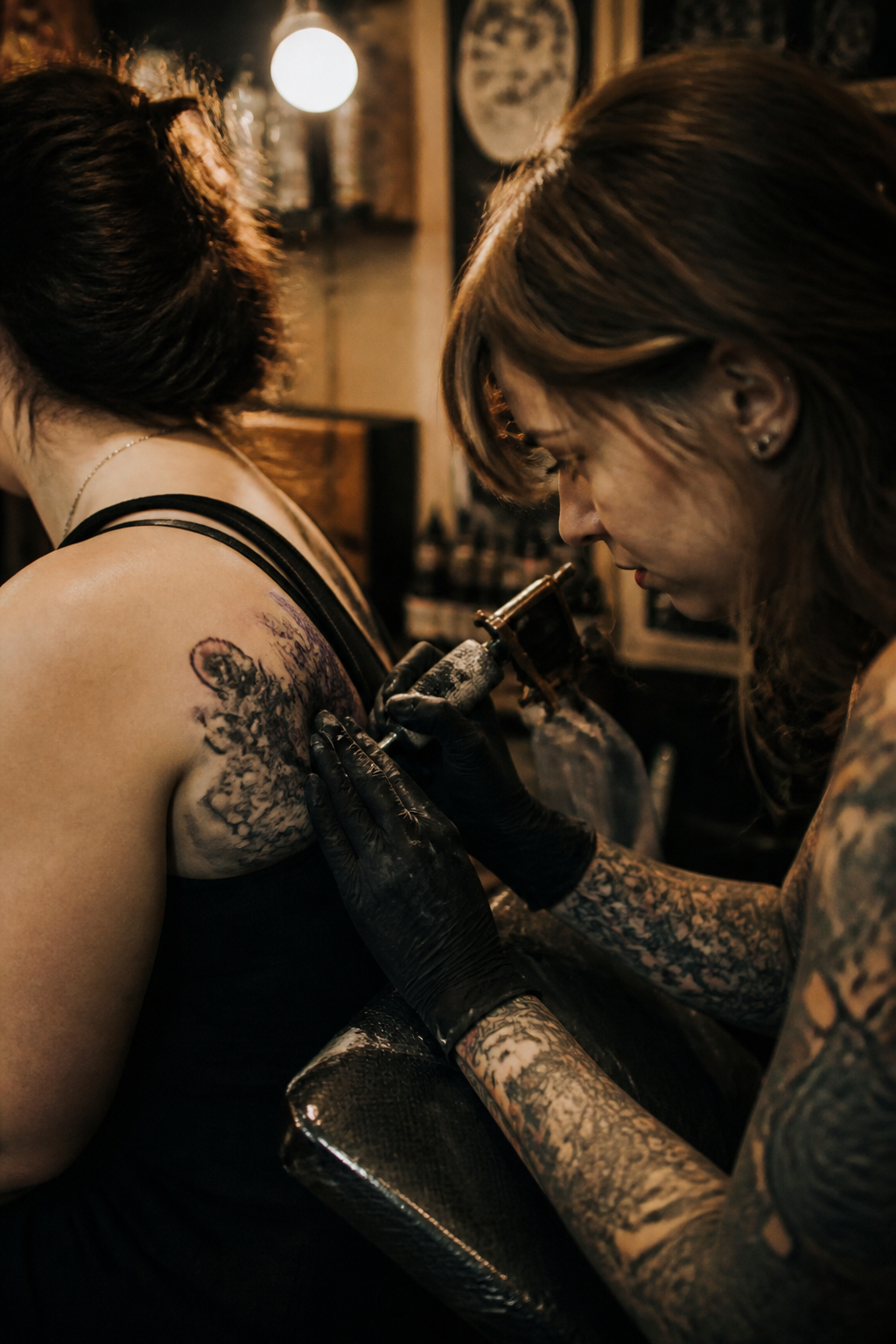
Getting a tattoo cover-up is far more complex than simply painting over an old wall. Unlike house paint, tattoo ink lives within the dermis, meaning new pigment blends with the old rather than sitting on top of it. To successfully hide a previous design, artists must utilize color theory and visual distraction to trick the eye into seeing a new, cohesive image.
Darker tones and high-saturation colors are the primary tools for a successful project. Because the old ink is already present in the skin, a tattoo cover-up often requires a design that is significantly larger and bolder than the original piece. Deep blues, purples, and rich blacks are frequently used to anchor the new artwork and ensure the old lines don't ghost through over time.
Strategy is everything when planning your reclamation. A skilled artist will place the busiest parts of the new design—such as textured petals or intricate mechanical parts—directly over the darkest areas of the old ink. By creating high-contrast focal points elsewhere, the artist draws attention away from the camouflage, making the transition seamless and natural.
In some cases, a tattoo cover-up might require a few sessions of laser fading before the new work begins. If the original ink is exceptionally dark or heavy-handed, lightening the pigment allows for a much broader range of design options and lighter color palettes. This preparation phase can be the difference between a cramped, muddy result and a vibrant piece of art.
Choosing the right specialist is the final, most critical step. Not every great tattooer is comfortable with the constraints of a cover-up. You need a professional who understands how ink interacts beneath the surface and who can honestly assess what is possible. Look for portfolios that showcase 'before and after' shots to ensure they have a proven track record of successful transformations.