
Ink Longevity: A Proactive Routine for Tattoo aftercare
2 days ago
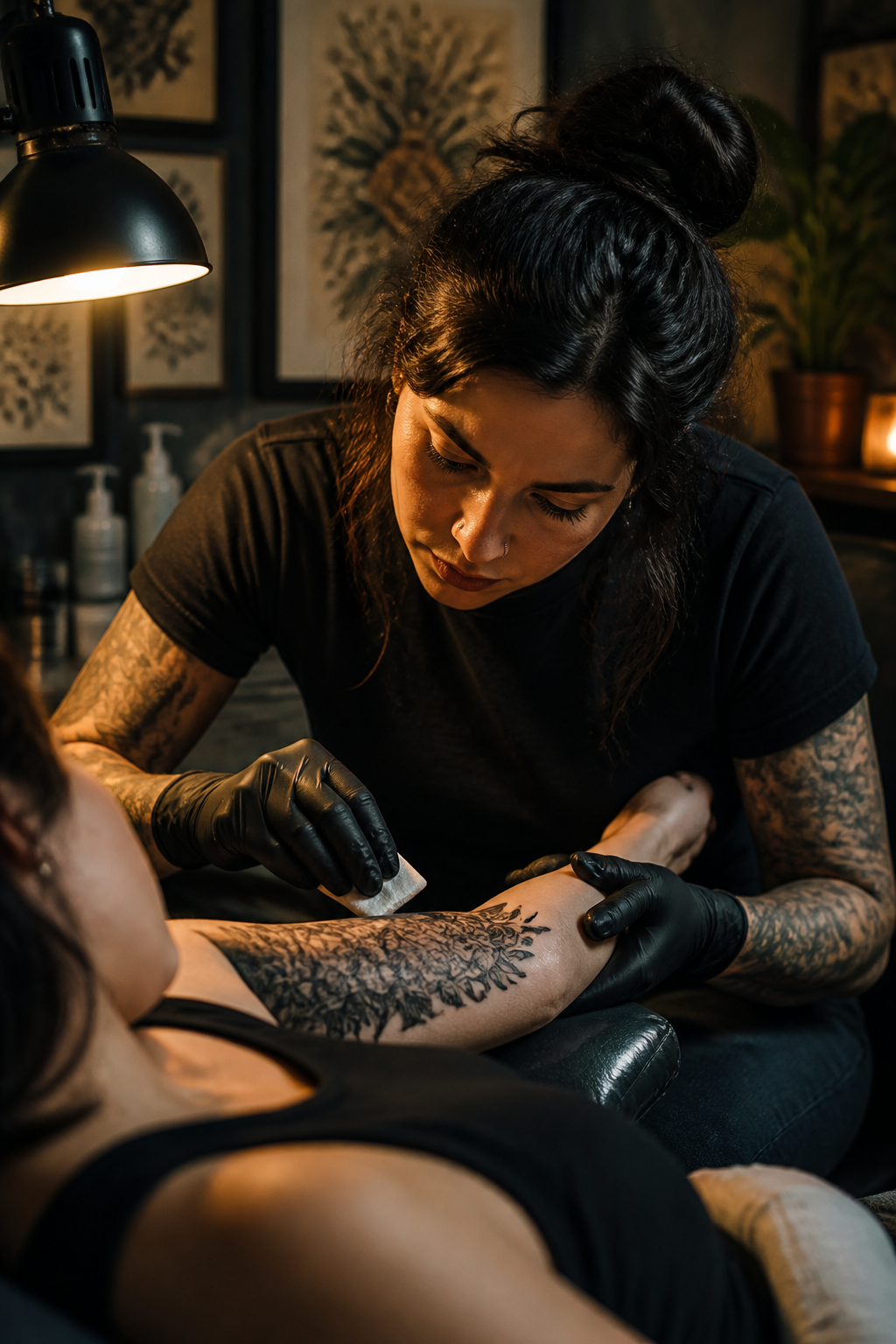
The first 48 hours are the most critical window for your new art. Once you leave the studio, keep the initial bandage on for the duration recommended by your artist to prevent airborne bacteria from entering the open skin. When it is time to remove it, wash your hands first, then gently clean the area with lukewarm water and a fragrance-free, antimicrobial soap. Use your clean fingertips rather than a washcloth to avoid unnecessary friction.
Moisturizing is the next pillar of successful healing, but moderation is key. Apply a very thin layer of specialized ointment or a plain, unscented lotion only after the skin has air-dried. Over-applying product can suffocate the pores and lead to breakouts or even ink loss. Aim for a light sheen rather than a thick coating, repeating this process two to three times a day as the skin begins to tighten.
During the first two weeks, environmental factors are your biggest enemies. You must strictly avoid swimming in pools, hot tubs, or natural bodies of water, as these are breeding grounds for infection and can soften the scabbing prematurely. Additionally, keep the area out of direct sunlight entirely. While your tattoo is healing, UV rays can cause significant fading and irritation before the skin has fully reformed its protective barrier.
As the healing timeline progresses, you will likely experience itching and peeling around day four or five. It is vital that you do not pick, scratch, or peel the flaking skin, as this can pull pigment out of the deeper layers. Let the flakes fall off naturally during your regular cleaning routine. If the area becomes excessively red, hot to the touch, or shows signs of spreading hives, contact your artist immediately to discuss the next steps for your Tattoo aftercare.