
Ink Evolution: The Technical Guide to a Successful Tattoo cover-up
16 days ago
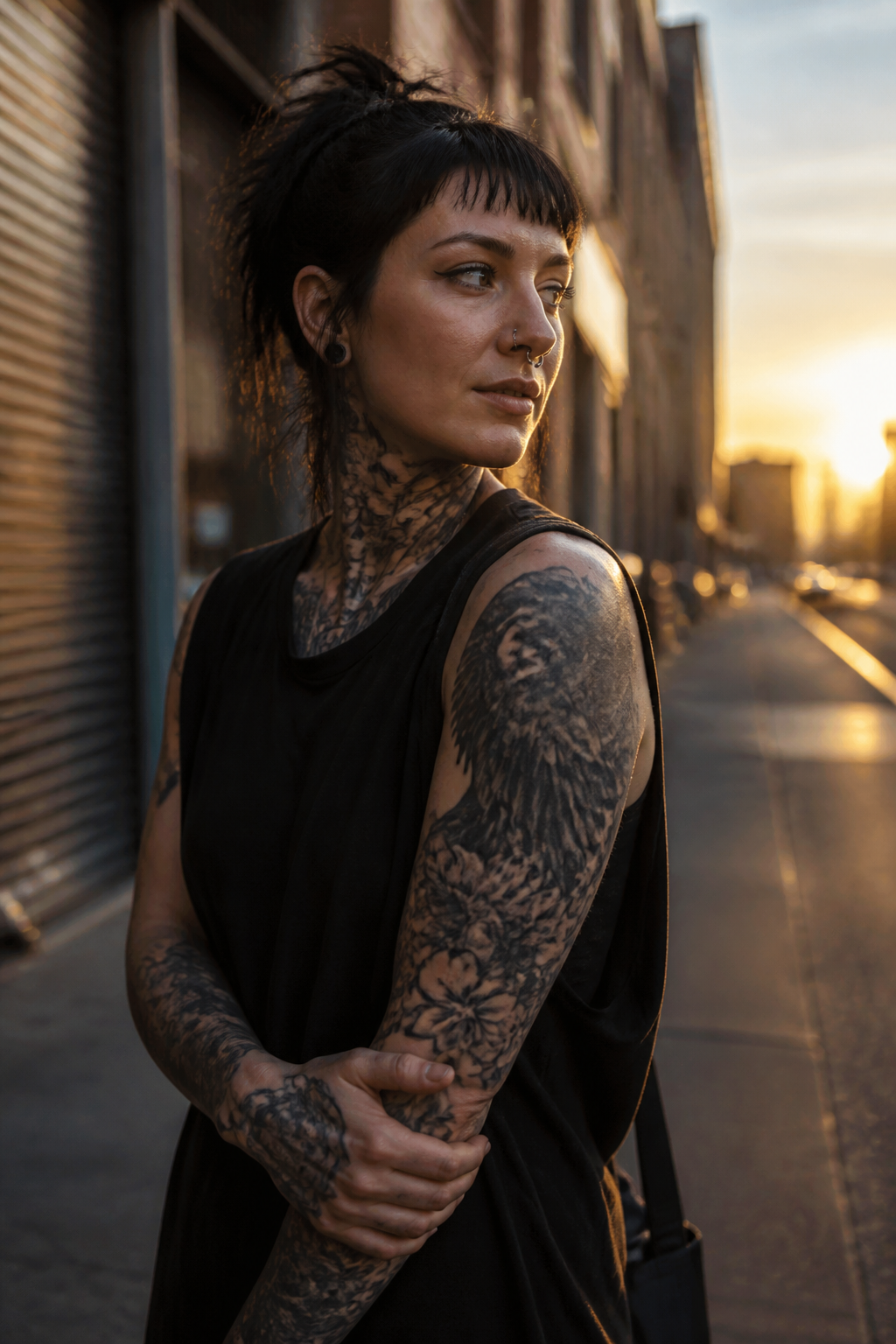
A successful Tattoo cover-up is less about erasing the past and more about strategic camouflage. Unlike a fresh canvas, the artist must work with existing pigment already trapped in the dermis. This means the new design must be darker, bolder, and more densely packed than the original to ensure the old lines don't ghost through during the healing process.
Design strategy is the most critical element of the process. Flow and movement are used to distract the eye away from the old shapes. Deep blues, heavy purples, and rich blacks are often the primary palette because they have the necessary opacity to mask previous mistakes. Large-scale imagery with organic textures, such as dense florals or bio-mechanical patterns, often works best to break up old outlines.
Not every old piece is ready for an immediate overhaul. If the original ink is too dark or raised, a few sessions of laser removal can make a world of difference. Fading the old piece down by just thirty percent opens up a much wider range of design options, allowing for lighter colors and more negative space in the final piece.
Choosing the right artist for a Tattoo cover-up is a specific skill set that differs from standard tattooing. You need someone who understands color theory and how different pigments interact when layered. Always ask to see 'healed' cover-up photos in their portfolio, as many designs look great immediately but reveal the old tattoo once the skin fully settles.
Patience is your best tool when reclaiming your skin. A complex transformation may require multiple sittings to build up the necessary saturation. By respecting the limitations of the medium and working with a specialist, you can turn a source of regret into a high-quality piece of art that looks intentional rather than like a patch-up job.