
Ink Evolution: The Strategy Behind a Successful Tattoo Cover-up
3 days ago
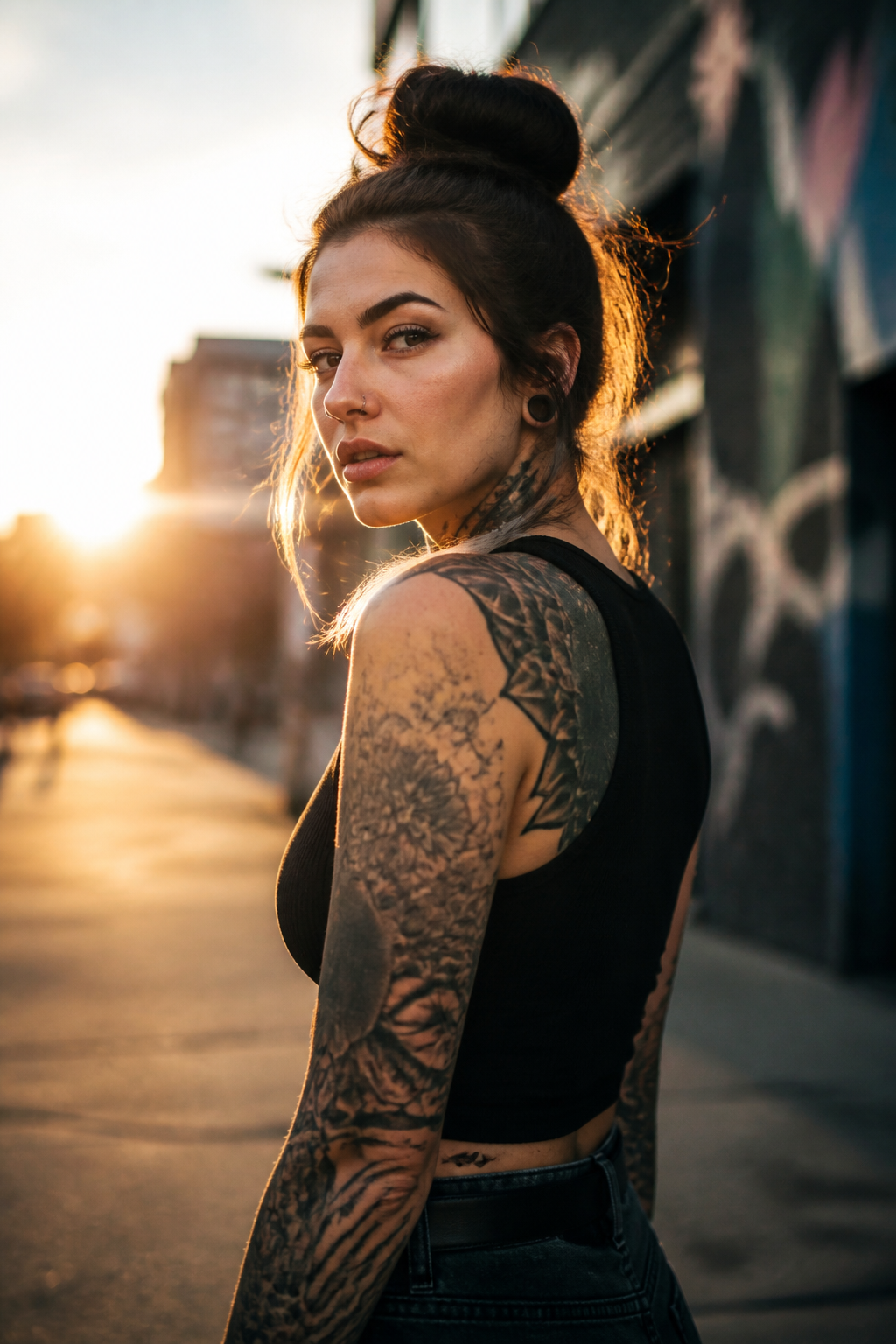
A tattoo cover-up is not a simple matter of painting over an old image. Because tattoo ink is translucent, the new pigment settles into the same layer of the dermis as the old, meaning the original lines often bleed through if not handled with technical precision. Success requires a deep understanding of color theory and how certain hues interact to neutralize existing dark tones.
Design strategy is the most critical element of the process. Rather than trying to hide an old piece with a solid block of black, skilled artists use texture, flow, and high-detail patterns to trick the eye. Biological shapes or organic textures are particularly effective because they break up the recognizable outlines of the underlying work, making the old tattoo indistinguishable from the new composition.
There are limitations to what a tattoo cover-up can achieve on its own. If the original piece is heavily scarred or features dense, saturated black ink, a fresh layer might not be enough. In these cases, artists often recommend a few sessions of laser fade first. Lightening the old pigment provides a blanker canvas, allowing for a much wider range of colors and finer detail in the final piece.
Picking the right artist is the final, vital step. Cover-up work is a specialized niche that requires a different skill set than starting from scratch. You need a portfolio that shows clear 'before and after' shots, demonstrating the artist's ability to manage pigment saturation and composition. A true professional will be honest about what is possible, ensuring your new ink looks intentional rather than like a desperate patch.