
Ink Evolution: The Science of a Successful Tattoo cover-up
3 hours ago
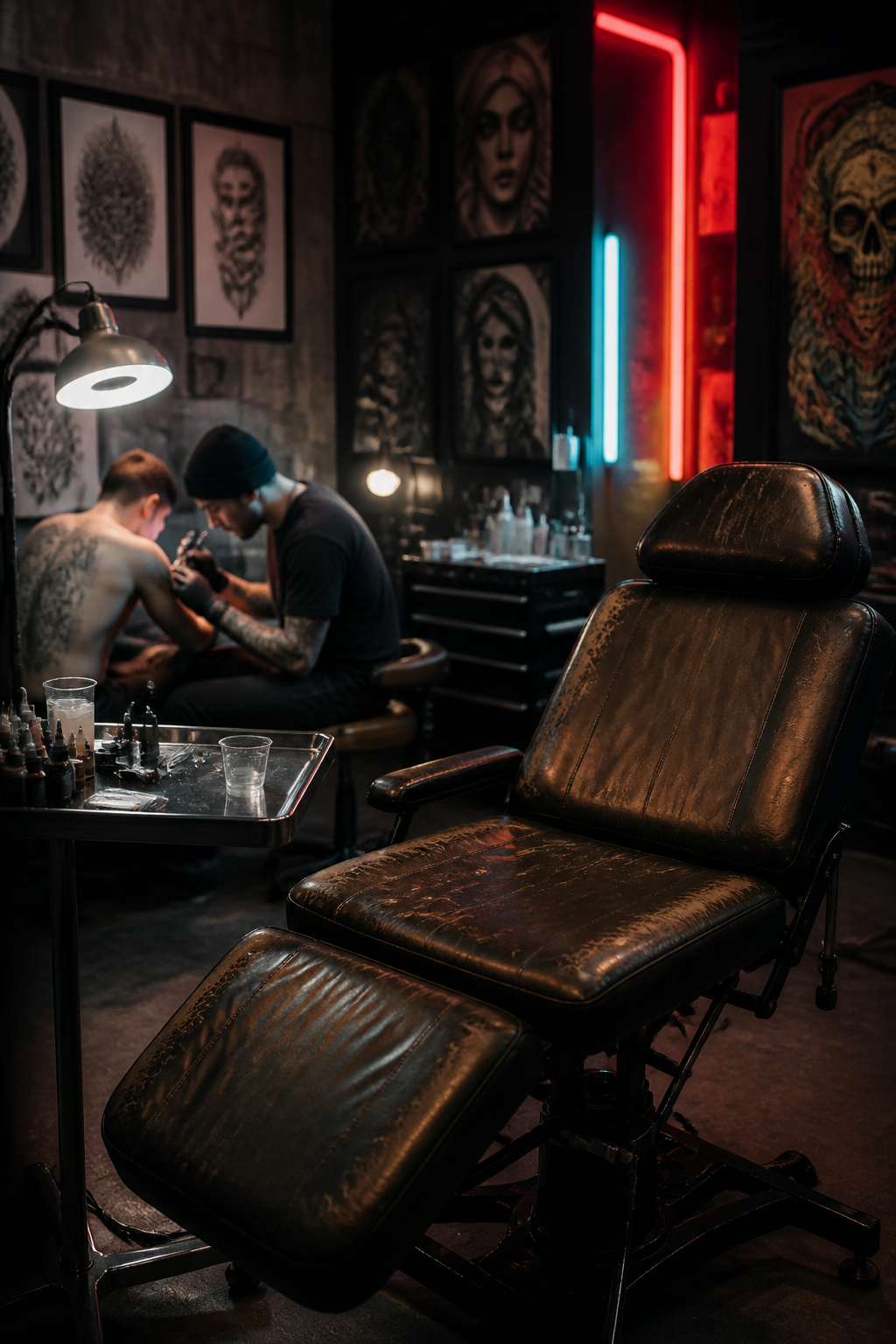
The reality of a Tattoo cover-up is less about hiding and more about strategic camouflage. Unlike painting a wall, you cannot simply apply a lighter color over a dark one. Tattoo ink is translucent, meaning the new pigment sits in the same layer of skin as the old, blending together like colored gels. To achieve a clean result, artists must use darker tones, denser saturation, and clever textures to trick the eye away from the underlying silhouette.
Design choice is the most critical factor in this process. Organic shapes like dense floral arrangements, mechanical parts, or bold traditional motifs work best because they offer a variety of flow and shadow. These designs allow the artist to place the darkest areas of the new piece directly over the most stubborn parts of the old ink, ensuring the previous shape is fully obscured without looking like a heavy, solid block.
Sometimes, the original piece is too saturated or large to be covered immediately. In these cases, a few sessions of laser removal to fade the ink is the smartest move. Lightening the old pigment expands your design options significantly, turning a difficult project into a versatile canvas. Even a 30% reduction in intensity can be the difference between a forced design and a masterpiece you actually want.
Choosing the right artist for a Tattoo cover-up is just as important as the art itself. Not every talented tattooer understands the physics of color theory and spatial planning required for a successful transition. You need a specialist who can analyze your existing piece and provide honest feedback on what is realistically achievable. A great cover-up artist doesn't just hide a mistake; they create a new piece of art that looks entirely intentional.