Ink Evolution: The Professional Guide to a Successful Tattoo cover-up
3 months ago
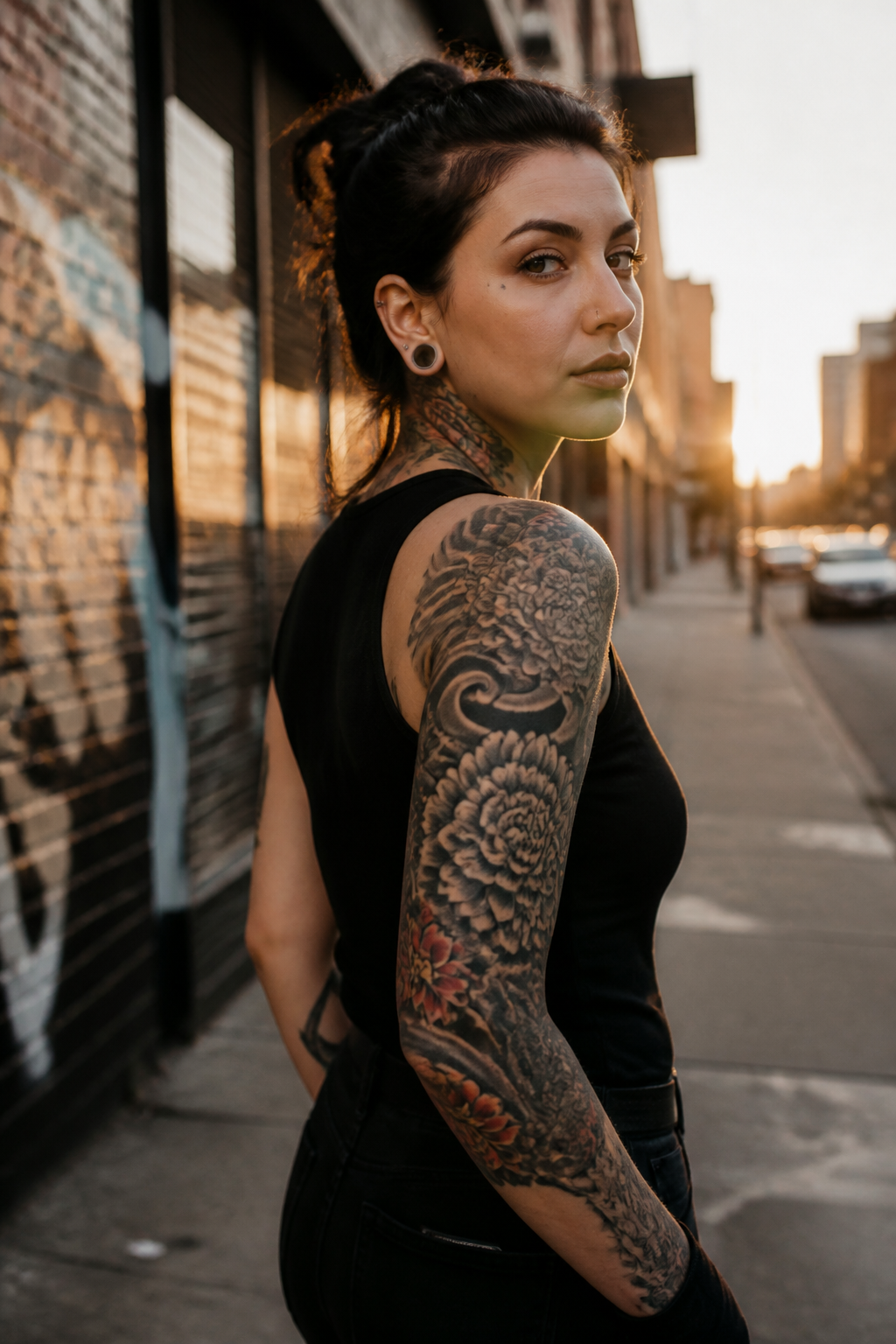
A successful tattoo cover-up is less about erasing the past and more about the art of distraction. Unlike a fresh canvas, working over an existing piece requires a deep understanding of color theory and ink density. The goal is to use the movement and dark values of a new design to visually dissolve the old lines until they disappear into the background.
Design strategy is the most critical element of the process. Typically, your new artwork needs to be significantly larger than the original to allow for proper flow. High-contrast styles like bold traditional or heavy illustrative work are best, as they utilize saturated blacks and deep blues to dominate the underlying pigments. Fine line work or soft pastels rarely work for hiding old ink.
In some cases, your artist might suggest a few sessions of laser removal to lighten the area first. This 'laser fade' approach provides more creative freedom, turning a muddy, dark mess into a workable surface. Fading the old ink by even thirty percent can open up the possibility of using brighter colors and more detailed imagery in your final design.
Choosing the right artist for a tattoo cover-up is just as important as the design itself. Not every talented illustrator is a specialist in camouflage. You should look for portfolios that specifically showcase 'before and after' sets. A specialist knows how to place the darkest focal points of the new piece directly over the most stubborn parts of the old one.
Ultimately, a cover-up is a collaborative puzzle between you and your artist. It requires patience and flexibility, as you may need to adjust your initial vision to accommodate what is technically possible on your skin. When executed correctly, the result is a seamless piece of art that makes the original work a distant memory.