
Ink Evolution: Navigating the Strategic Realities of a Tattoo cover-up
7 days ago
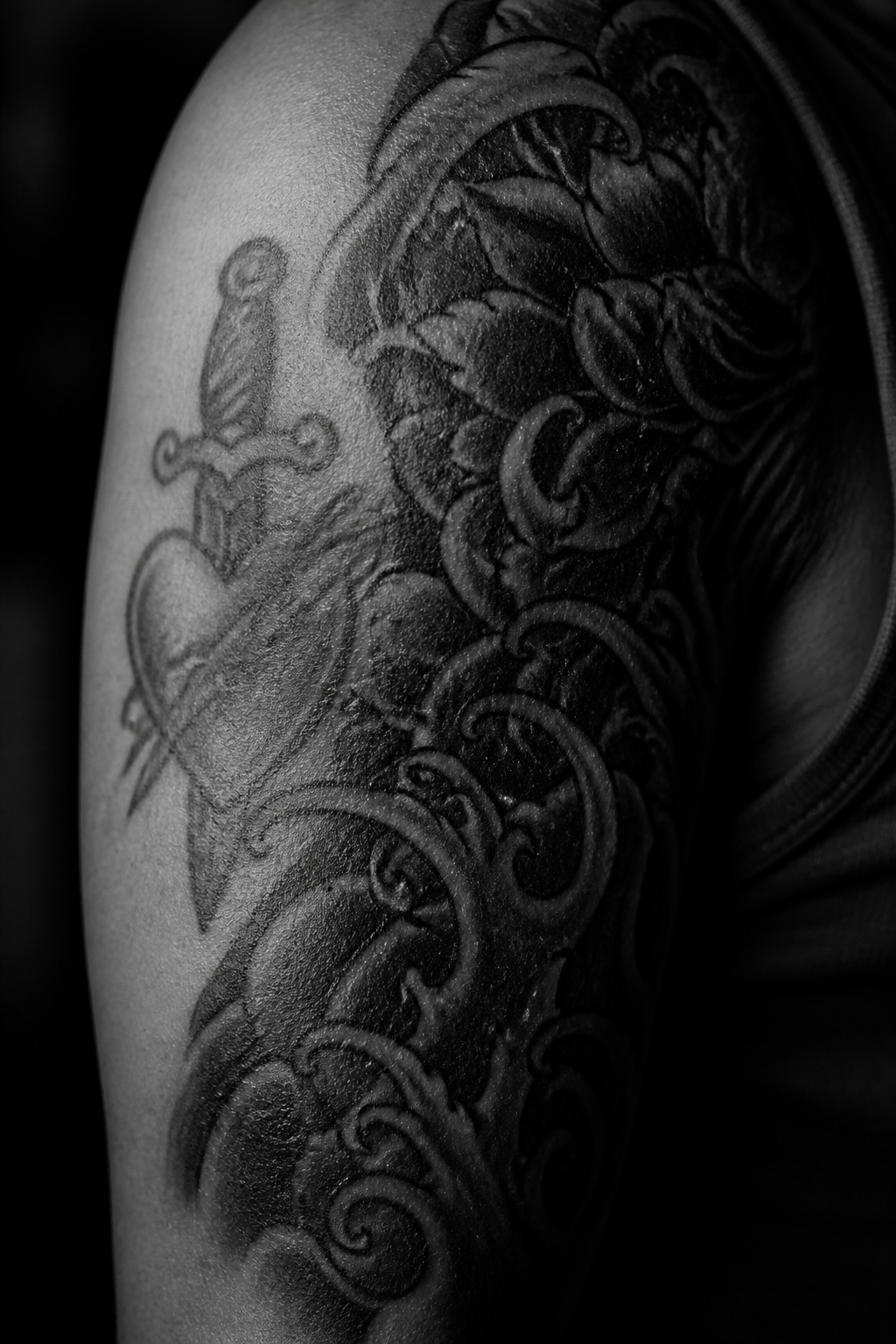
Getting a Tattoo cover-up is far more complex than simply painting over a canvas. Because tattoo ink is translucent, the new pigment does not sit on top of the old; instead, the two colors blend within the dermis to create a new shade. This means you cannot simply put a light color over a dark one. The process requires a deep understanding of color theory and spatial planning to ensure the old design is effectively hidden rather than just darkened.
Strategy is the most critical element of a successful transformation. A skilled artist will use the lines and shapes of your existing piece to camouflage the old work within the new composition. Deep blues, rich purples, and saturated blacks are often the primary tools, while complex textures and busy patterns help distract the eye. Floral elements, mechanical parts, or heavy illustrative shading are frequently utilized to break up the silhouette of the original mark.
Sometimes, the existing tattoo is too dark or saturated for an immediate fix. In these cases, a few sessions of laser removal to fade the old ink can broaden your options significantly. This 'lightening' process creates a more neutral base, allowing you to choose a new design that isn't dictated solely by the need for heavy saturation. Even a 20% reduction in intensity can open the door for more vibrant colors and intricate details in the final result.
Selecting the right specialist is the final piece of the puzzle. Not every talented tattooer is adept at cover-ups; it is a specific technical niche that requires problem-solving skills and a high level of patience. When researching artists, look specifically for 'before and after' photos in their portfolios. A true expert will show you how they successfully integrated the old lines into a new masterpiece, ensuring the final result looks intentional and fresh rather than like a patch-up job.