
Ink Evolution: Navigating the Mechanics of a Quality Tattoo cover-up
2 months ago
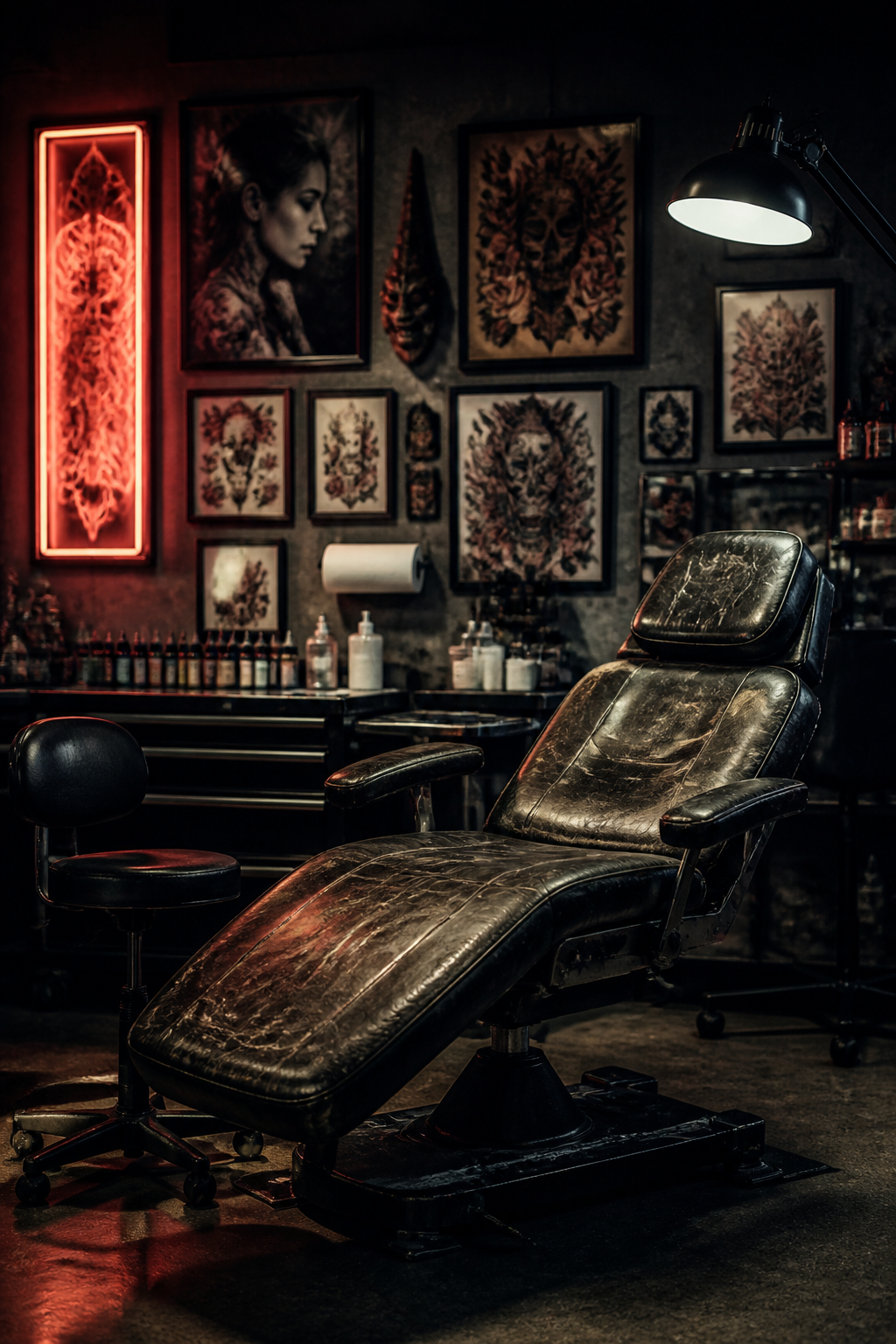
A successful Tattoo cover-up is not about simply painting over an old mistake. Unlike working on blank skin, an artist must contend with existing pigment already trapped in the dermis. Because tattoo ink is translucent, new ink does not sit on top of the old; instead, the two colors mix to create a new shade. This is why covering a solid black piece with light yellow is physically impossible without specific technical strategies.
Strategy begins with color theory and composition. Darker, saturated tones like deep blues, purples, and blacks are often required to fully mask what lies beneath. Large-scale patterns, such as organic floral textures or mechanical bio-organic designs, are highly effective because they break up the old outlines. A skilled artist will utilize the 'distraction method,' placing the highest detail and brightest highlights on the clean skin surrounding the old ink to draw the eye away.
Sometimes, the original piece is too dark or dense for an immediate fix. This is where laser lightening becomes a vital tool. A few sessions of laser treatment can fade the old pigment enough to expand your design options significantly. Lightening the area allows for more color variety and prevents the new Tattoo cover-up from looking like a heavy, dark blob that lacks depth or definition.
Choosing the right artist is the most critical step in this transformation. Not every great illustrator is a master of cover-ups, as it requires a deep understanding of how skin heals and how old scars react to new trauma. Look for a portfolio that showcases 'before and after' photos to ensure they can manage flow and camouflage effectively. Communication is key; a realistic artist will tell you what is possible rather than promising a miracle.
Ultimately, a Tattoo cover-up is a collaborative process between you and the professional. It requires patience and often a larger design than the original to ensure complete coverage. By respecting the limitations of the medium and focusing on clever placement, you can turn a source of regret into a centerpiece of high-quality art that looks intentional rather than hidden.