
Ink Evolution: Navigating the Complexities of a Tattoo cover-up
4 hours ago
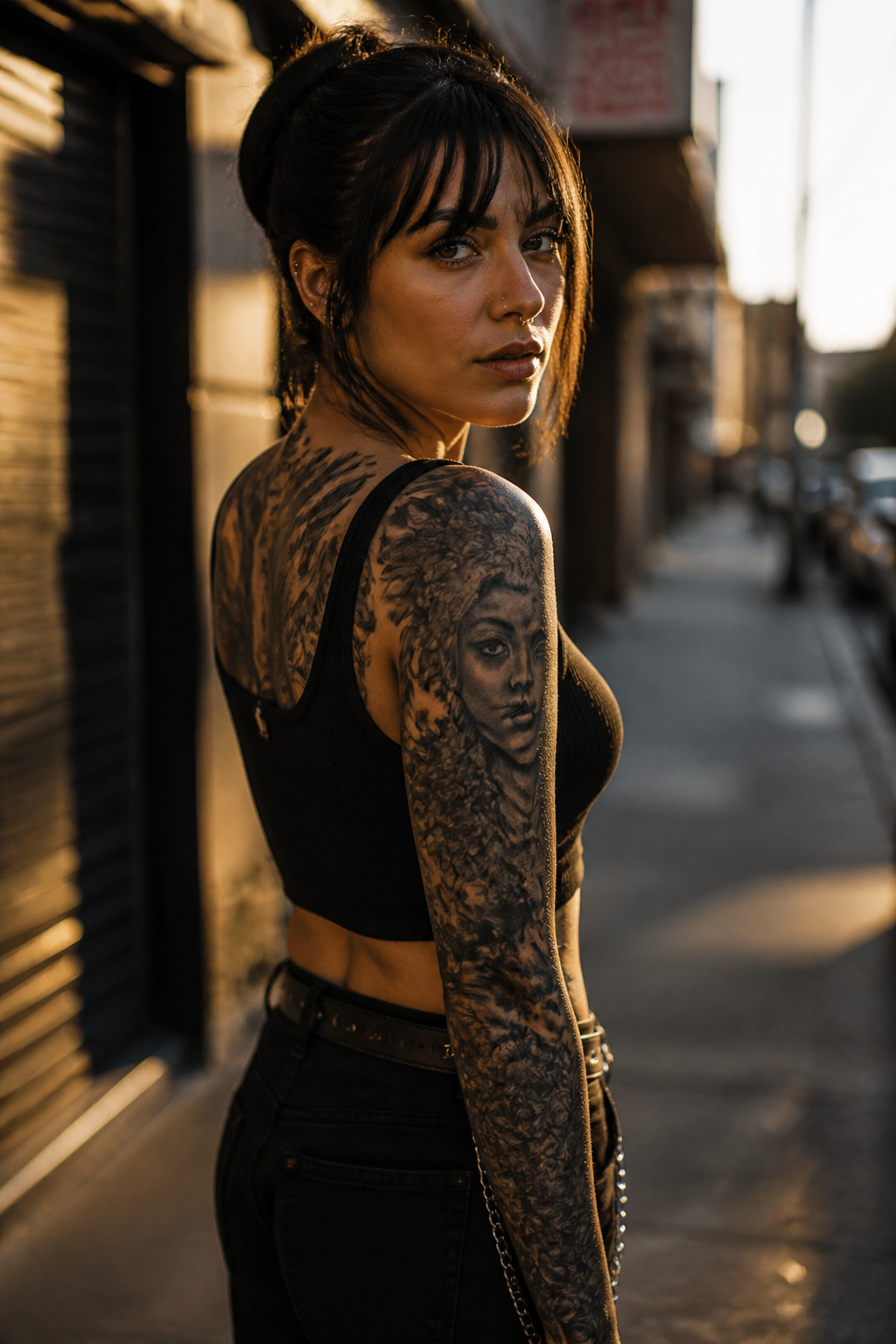
A successful tattoo cover-up is less about erasing the past and more about high-stakes camouflage. Unlike a fresh piece of skin, a cover-up requires an artist to work with existing pigments, scars, and flow. Because tattoo ink is translucent, you cannot simply paint a lighter color over a dark one; instead, the new design must strategically distract the eye using deep saturation and complex textures.
Design strategy is the most critical element of this process. Most cover-ups require the new artwork to be significantly larger than the original to allow for proper blending. Artists often utilize high-detail areas, such as dense floral patterns or dark bio-mechanical textures, to mask the old lines. The goal is to make the old tattoo serve as a shadow for the new design rather than a visible ghost underneath.
There are technical limitations to consider, specifically regarding color theory. If you are trying to hide a solid black tribal piece, you won't be able to cover it with soft pastels or light grey wash. Deep blues, purples, and rich greens are often the go-to shades for effective concealment. If the original ink is too dark or raised, your artist might suggest a few sessions of laser fading first to open up more creative possibilities.
Choosing the right artist for a tattoo cover-up is vastly different from picking someone for a standard piece. You need a specialist who understands skin density and how different pigments interact over time. Look for portfolios that specifically showcase 'before and after' photos to ensure they can handle the structural challenges of a technical rework. Patience and open communication are key to turning a regret into a masterpiece.