
Ink Evolution: Navigating the Complexities of a Tattoo Cover-up
2 months ago
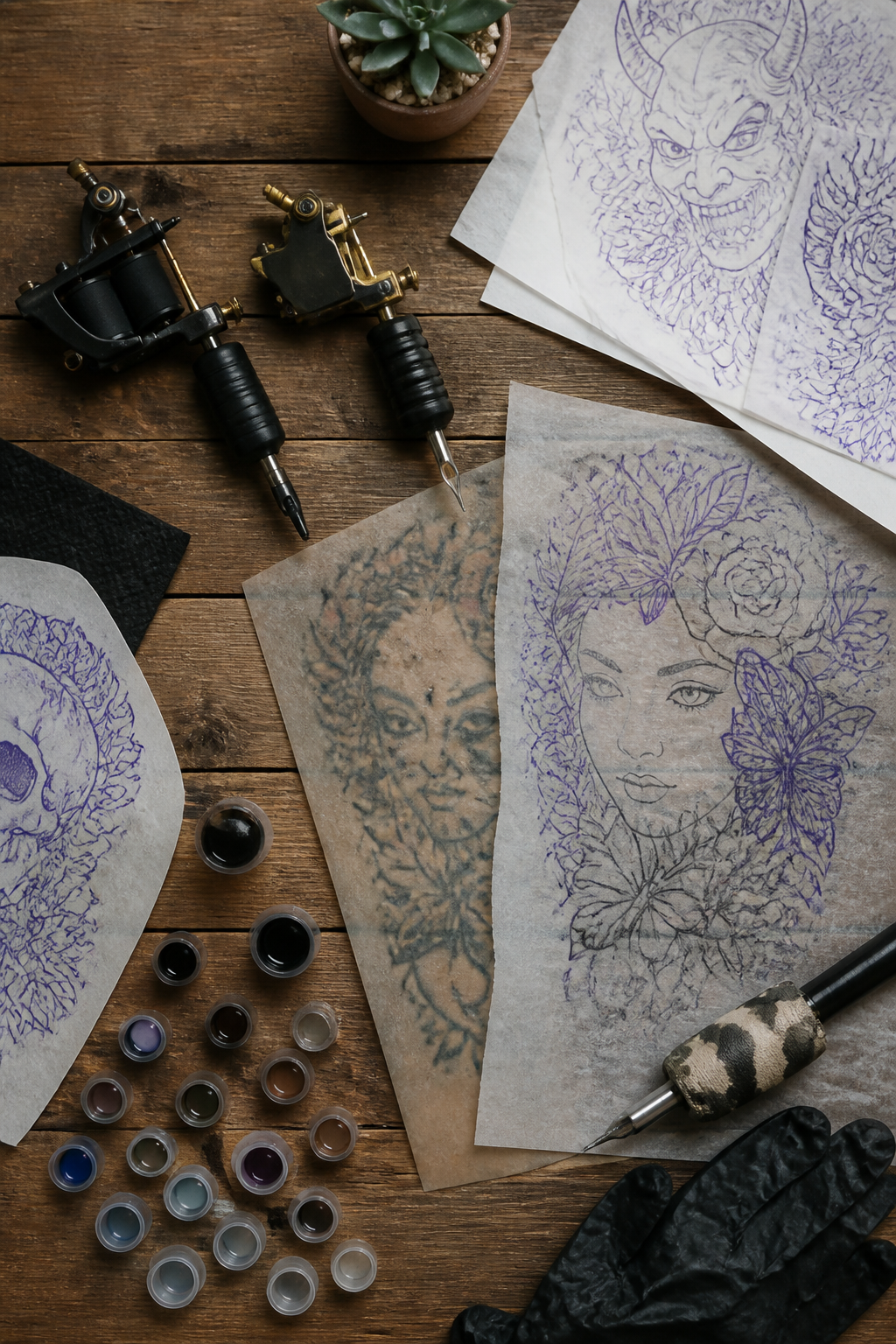
A tattoo cover-up is more than just a fresh layer of ink; it is a complex game of color theory and visual deception. When you decide to hide an old piece, you aren't working with a blank canvas. The existing pigment lives inside the dermis, meaning new colors must be strategically darker or more saturated to successfully mask the old design without creating a muddy mess.
The most important design strategy for a successful transformation involves using movement and detail to distract the eye. Solid blocks of black ink are rarely the answer, as they can look heavy and flat. Instead, skilled artists use intricate textures, high-contrast patterns, and organic flows to lead the viewer's gaze away from the underlying silhouette of the original work.
Limitations are a reality in this process. You cannot cover a dark, heavy tribal piece with light, airy pastels or fine-line work without significant preparation. This is where size comes into play; a cover-up usually needs to be significantly larger than the original piece to allow for proper blending and the implementation of new focal points that pull attention.
In many cases, the best results start with a few rounds of laser fading. You don't always need to fully remove the old ink, but lightening it significantly opens up your options for the new design. A lighter base allows for a broader color palette and prevents the old lines from 'ghosting' through the new artwork as it heals over time.
Choosing the right artist is the final, crucial step. Not every talented tattooer is an expert in camouflage. Look for a portfolio that specifically showcases side-by-side 'before and after' shots. An experienced specialist understands how specific pigments interact and can predict how the old ink will settle beneath the new layers.
Ultimately, a successful cover-up is about collaboration and realistic expectations. By listening to your artist's advice regarding flow and color saturation, you can turn a source of regret into a stunning piece of wearable art that looks intentional rather than like a desperate fix.