Ink Evolution: A Practical Guide to Your Tattoo cover-up
2 hours ago
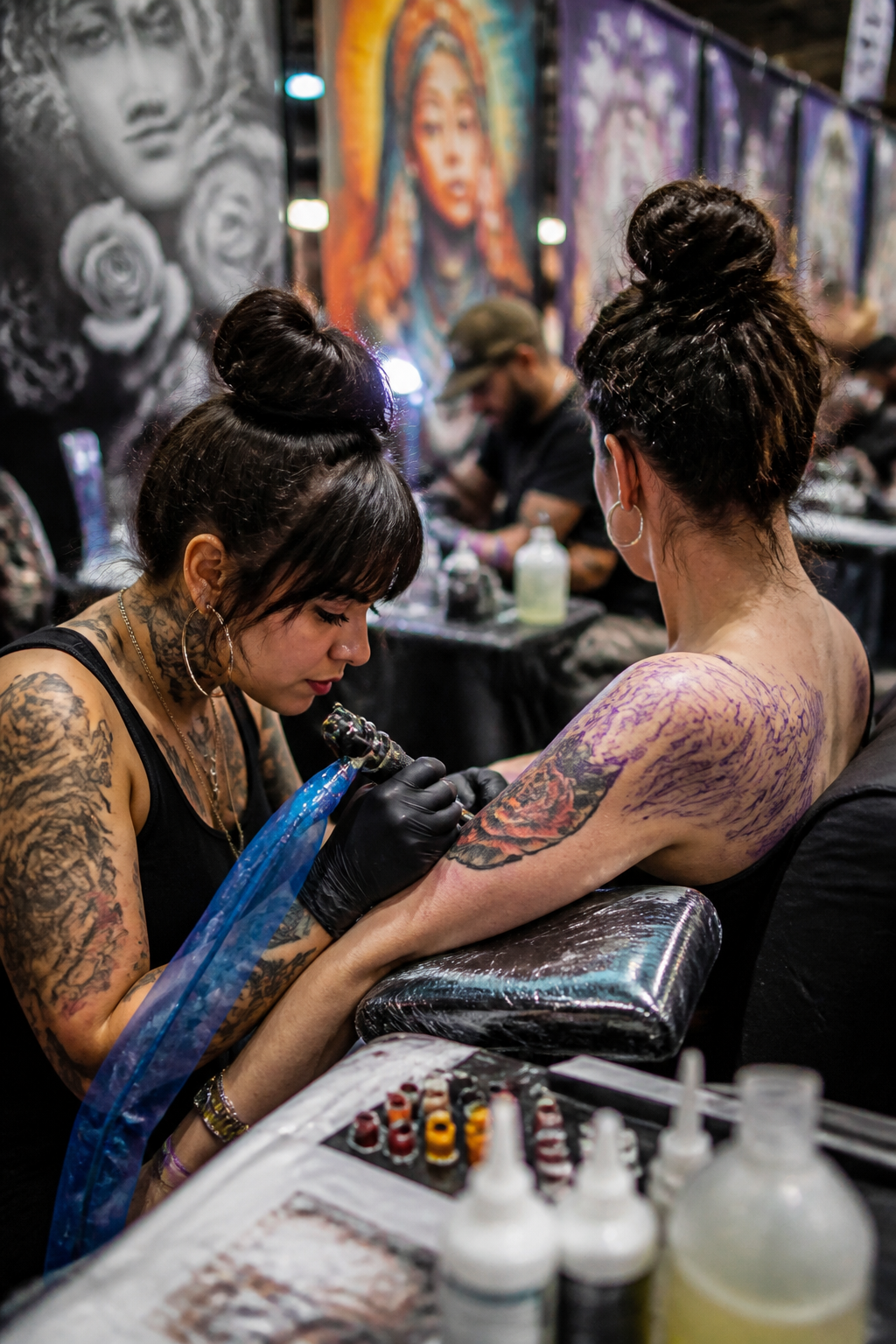
Starting a Tattoo cover-up is not as simple as painting over a wall; it is a complex game of color theory and visual deception. A successful transformation requires an artist who understands how to use existing dark pigments as shadows or depth within a completely new design. Because tattoo ink sits in the dermis, the new ink will actually blend with the old rather than sitting on top of it, making planning essential.
Design strategy is the most critical component of the process. Large-scale patterns, dense shading, and high-contrast imagery like traditional American styles or bold floral work tend to perform best. The goal is to lead the eye away from the old shape using movement and texture, effectively hiding the previous silhouette within the new composition.
Limitations are a reality for any Tattoo cover-up. You generally cannot cover a dark, dense piece with soft pastels or fine-line work without significant preparation. Most artists will recommend a piece at least two to three times the size of the original to ensure there is enough 'clear' skin to create a distraction and anchor the new piece naturally on the body.
In cases where the old ink is exceptionally dark or scarred, a few sessions of laser removal are often recommended first. This 'laser fading' process doesn't need to fully remove the tattoo but lightens it enough to broaden your design options. A lighter canvas means you aren't restricted to purely black or heavy-saturated color palettes for your new art.
Choosing the right artist for a Tattoo cover-up is just as important as the design itself. Not every talented illustrator is skilled in concealment. Look for portfolios that specifically showcase 'before and after' photos of healed cover-ups. A specialist will be honest about what is possible and will work with you to create a piece that looks like a deliberate choice rather than a patch-up job.
Ultimately, a successful cover-up is about moving forward with confidence. By respecting the technical limits of the medium and collaborating with an expert, you can turn a source of regret into a stunning piece of custom body art that you are proud to display.