
Ink Blueprint: Your Essential First Tattoo Guide
44 minutes ago
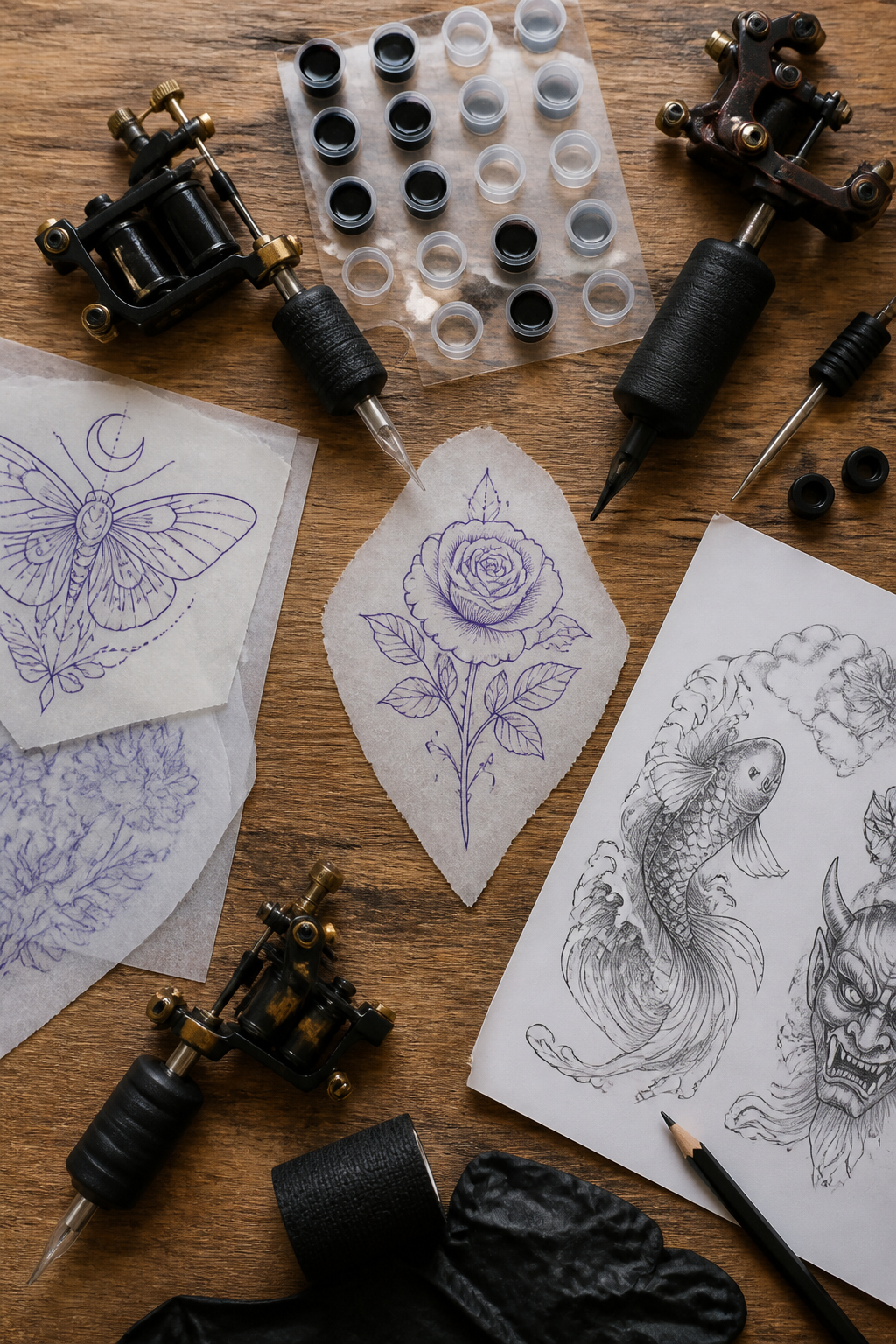
Taking the plunge into body art is an exhilarating milestone, but it requires more than just a cool idea. Your journey begins with a solid First tattoo guide to help you navigate the landscape of design and placement. Start by considering how the art will flow with your body’s natural lines; a design that looks great on paper might need adjustments to sit perfectly on a forearm or shoulder.
Finding the right artist is the most critical step in the process. Don’t just walk into the nearest shop; spend time browsing portfolios on social media to find someone whose specific style aligns with your vision. Whether you want bold traditional lines or soft realism, matching the artist’s expertise to your design ensures a result you will love for a lifetime.
Once you have a shortlist, book a consultation. This is your opportunity to discuss the scale of the work, the level of detail, and the budget. A professional artist will provide a transparent quote based on their hourly rate or a flat fee for the piece. Remember, quality work isn't cheap, and tipping your artist is a standard industry practice for great service.
Preparation is key on appointment day. Ensure you are well-rested, hydrated, and have eaten a full meal to keep your blood sugar stable. Wear comfortable clothing that allows easy access to the area being tattooed, and don’t be afraid to speak up if you need a break or have questions about the process.
During the session, your artist will apply a stencil for you to check in the mirror before any ink hits the skin. This is the time to be picky—move the stencil an inch left or right until it feels perfect. Once you give the green light, focus on steady breathing and let the artist work their magic.
Following your session, your artist will provide specific instructions for healing. Proper aftercare is just as important as the tattoo itself, so follow their advice to the letter to prevent fading or irritation. With the right preparation, your first experience will be the foundation for a life-long appreciation of the craft.