
Ink Blueprint: Your Essential First Tattoo Guide
2 months ago
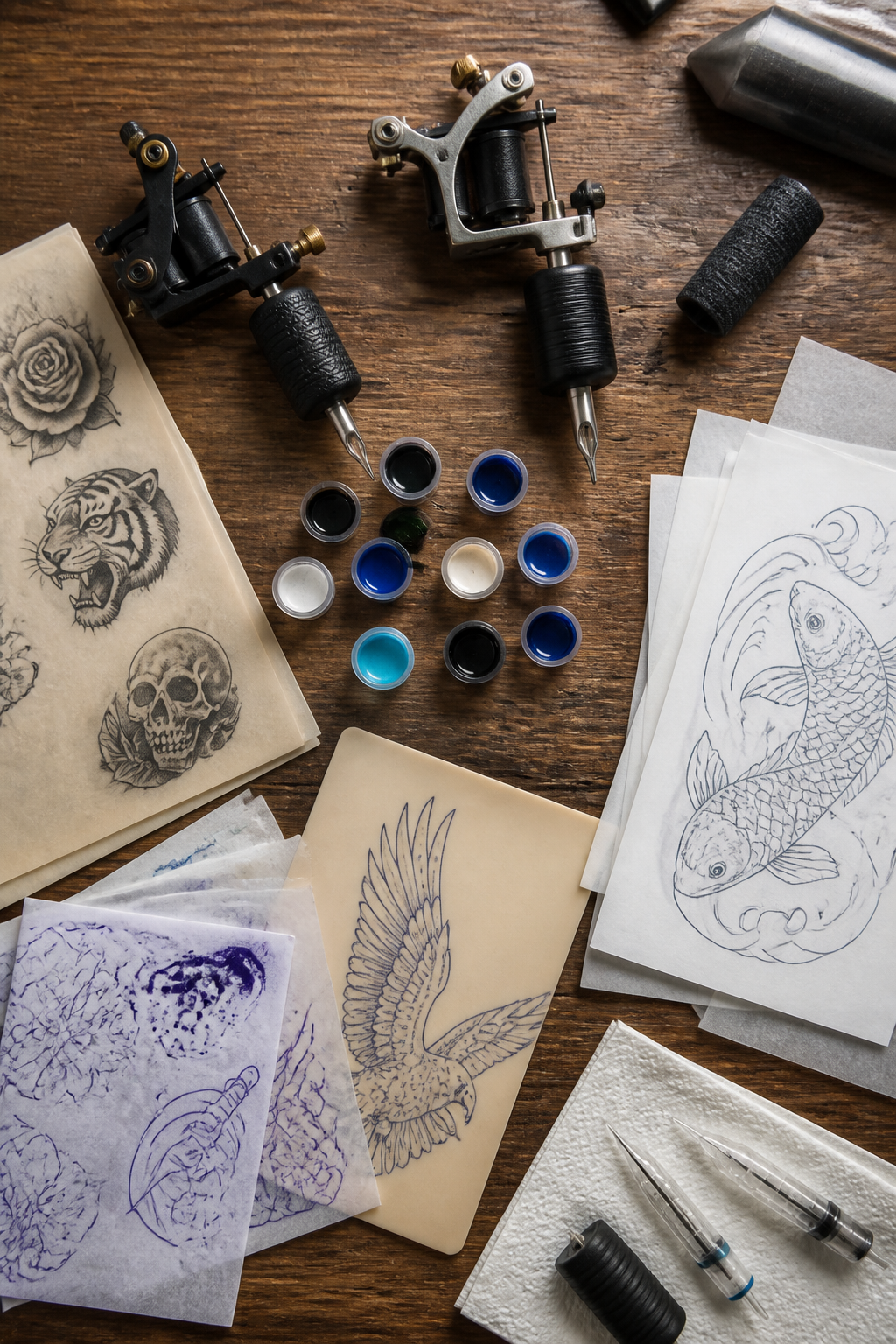
Taking the plunge into the world of permanent art starts with a solid first tattoo guide. The journey begins long before you hit the studio chair. First, focus on your design and placement. Think about how the art will flow with your body’s natural lines and consider your pain tolerance. Fleshy areas like the outer arm are generally easier for beginners than bony spots like the ribs or shins.
Once you have a concept, finding the right artist is your top priority. Don't just settle for the closest shop; browse portfolios on social media to find a professional whose style matches your vision. A high-quality artist will have a clean portfolio, a sterile work environment, and a clear communication style that makes you feel at ease during the process.
The consultation is where the magic happens. This is your chance to discuss sizing, color palettes, and pricing. Be honest about your budget, but remember that good tattoos aren't cheap. A reputable artist will give you a transparent quote and explain how long the session will take. This meeting is also the time to ask about their sterilization practices and any concerns you have about the process.
On the day of your appointment, preparation is key for a comfortable experience. Eat a hearty meal a few hours before your session and stay hydrated to keep your blood sugar stable. Wear comfortable clothing that provides easy access to the area being tattooed. Avoid caffeine and alcohol, as these can thin your blood and make the process more difficult for both you and the artist.
During the session, focus on your breathing and try to stay as still as possible. Your artist will guide you through the process, but don't be afraid to speak up if you need a short break or feel lightheaded. The sensation is often described as a hot scratch, and most people find it much more manageable than they initially anticipated.
After the needle stops, your journey continues with proper healing. Your artist will provide specific instructions on how to clean and moisturize your new art. Following these steps is crucial to prevent infection and ensure the colors stay vibrant for years to come. With the right preparation, your first experience will be the start of a lifelong appreciation for the craft.