
Ink Alchemy: The Strategy Behind a Successful Tattoo cover-up
15 days ago
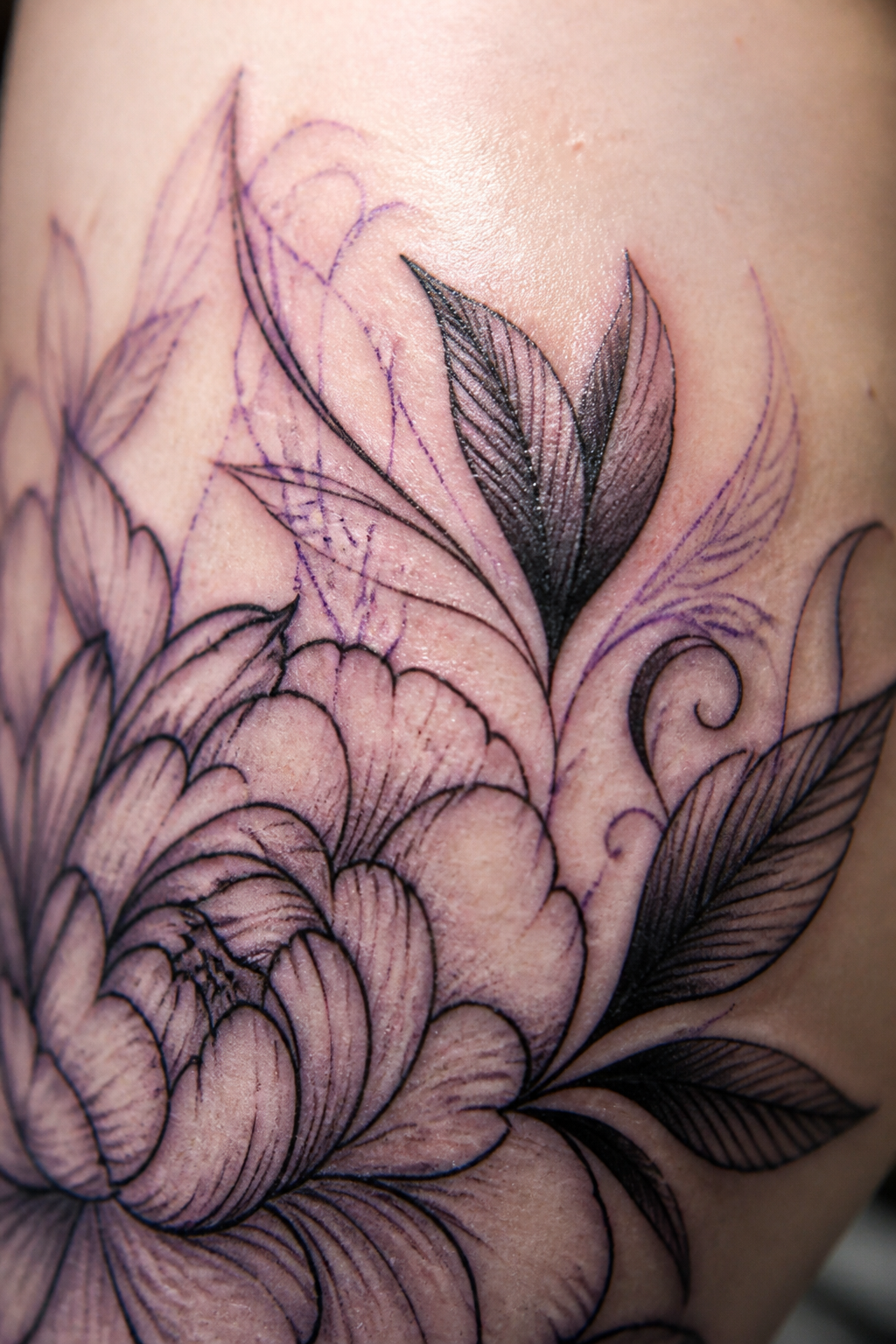
A successful Tattoo cover-up is less about hiding and more about distraction. It is a complex game of color theory and composition where the new pigment must effectively camouflage the old lines. Because tattoo ink is translucent, you cannot simply paint over an old design with a lighter color; instead, the new art must utilize darker tones and dense patterns to redirect the viewer's eye.
Design strategy is the most critical element of the process. Flowing textures like bird feathers, dense floral petals, or biomechanical details work best because they break up the recognizable silhouette of the original piece. A flat, open space in a new design will often allow the old tattoo to ghost through, so your artist will likely suggest high-contrast imagery with plenty of movement.
Limitations are a reality every client must face. Generally, the new piece will need to be significantly larger than the original to ensure the old boundaries are completely swallowed by the new composition. If your existing ink is particularly dark, saturated, or raised, you may be restricted in terms of style and color palette for the replacement art.
In cases where the original ink is too dark for a direct overlay, a few sessions of laser fade might be recommended first. Lightening the old pigment even slightly opens up a much wider range of design possibilities. This 'lighten and layer' approach prevents the final result from looking like a muddy, dark blob and allows for more vibrant color choices.
Choosing the right artist for this specific task is paramount. Not every talented illustrator is a cover-up specialist. Look for a portfolio that showcases 'before and after' photos clearly, demonstrating a mastery of how to mask old shapes without losing the integrity of the new artwork. A specialist understands how to work with the existing scar tissue and ink density to create something entirely fresh.