
Ink Alchemy: How a Tattoo Cover-up Actually Works
2 months ago
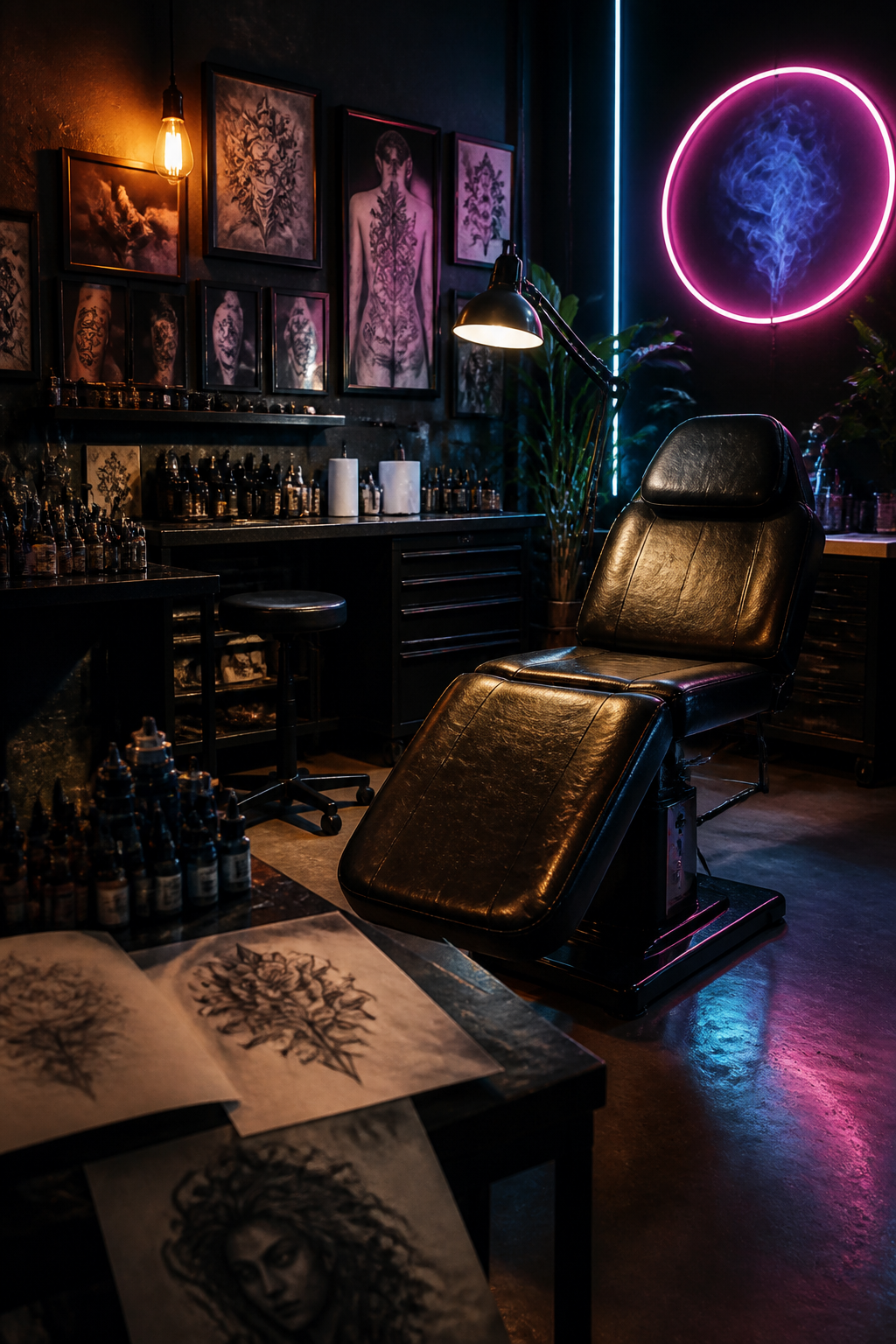
A successful tattoo cover-up is more than just stacking ink; it is a complex game of color theory and visual deception. Unlike painting on a canvas, tattoo ink is translucent, meaning new pigment blends with the old rather than sitting on top of it. This is why you cannot simply put a lighter color over a dark one; the existing lines will eventually ghost through.
Design strategy is the most critical element of the process. Artists often use organic textures, deep saturation, and high-contrast patterns to distract the eye from the underlying art. Elements like thick feathers, dense florals, or heavy shading are popular because they break up the recognizable shapes of the old tattoo, making the transformation seamless.
Not every old piece is an immediate candidate for a fresh start. If your existing ink is particularly dark, scarred, or raised, your artist might suggest a few sessions of laser fade first. Lightening the old pigment expands your options significantly, allowing for more negative space and lighter color palettes in the new design rather than being forced into a very dark, solid piece.
Choosing the right professional is the final piece of the puzzle. Cover-ups require a specific skill set that differs from standard tattooing. Look for an artist with a dedicated portfolio of 'before and after' shots. They need to understand how skin heals over scarred tissue and how to manipulate light and shadow to completely hide the past while delivering a masterpiece for your future.