Ink Alchemy: How a Professional Tattoo cover-up Transforms Old Regret
2 months ago
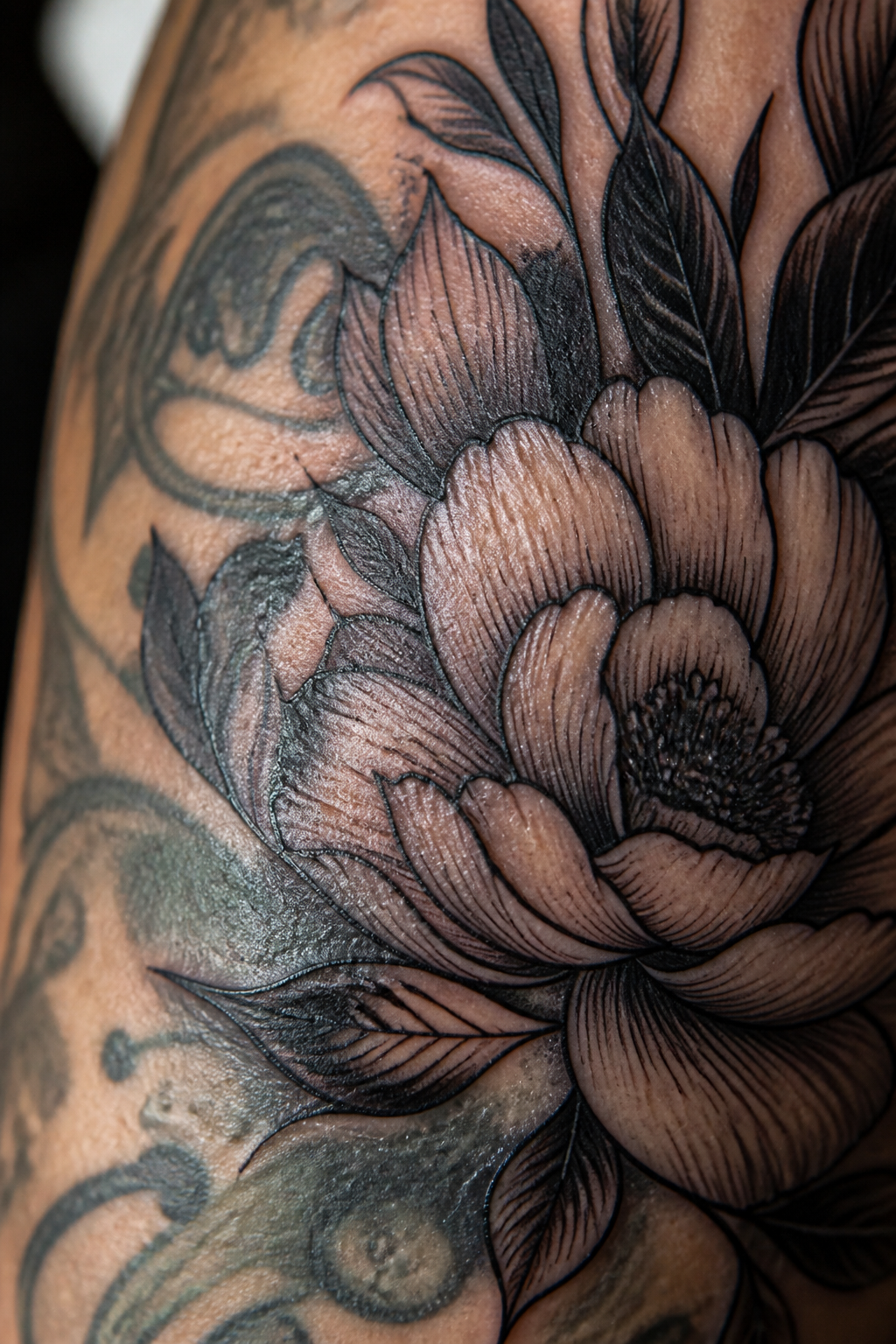
Getting a Tattoo cover-up isn't as simple as painting over a wall. In the world of ink, the old pigment remains trapped in the dermis, meaning the new design must work with what is already there rather than simply hiding it. A successful transformation relies on an artist’s knowledge of color theory and flow to ensure the old image doesn't ghost through the new layers.
The biggest limitation in any Tattoo cover-up is the existing color palette. Generally, you need to go darker or more saturated than the original piece. Deep blues, purples, and rich greens are the workhorses of the industry, while lighter shades like yellow or white will almost never hide a black line. The new design must also be significantly larger to distract the eye from the original shape.
Strategy is key when planning your new piece. Instead of a flat block of color, experienced artists use texture and detail—think dense floral petals, biomechanical shapes, or deep shadows—to camoflauge the old lines. The goal is to integrate the old tattoo into the shadows of the new one, making the original marks invisible to the untrained eye.
Sometimes, a tattoo is too dark or heavy for an immediate Tattoo cover-up. In these cases, a few sessions of laser removal to fade the ink is highly recommended. Lightening the old work opens up a world of design possibilities, allowing you to choose a new piece based on what you actually want rather than just what will fit over a dark blob.
Choosing the right artist for this job is critical. Not every talented illustrator is good at cover-up work; it requires a specific spatial awareness and an understanding of how ink settles over time. Always check a professional's portfolio for 'healed' cover-up photos to ensure the old tattoo stayed hidden after the skin fully recovered.
Ultimately, a Tattoo cover-up is a collaborative process between you and your artist. By respecting the limitations of the medium and being flexible with your design ideas, you can turn a piece of history you no longer love into a stunning work of art that feels like it was meant to be there all along.