Hyper-Saturation: Why Color Blast Art is the Hottest of Tattoo Trends
2 months ago
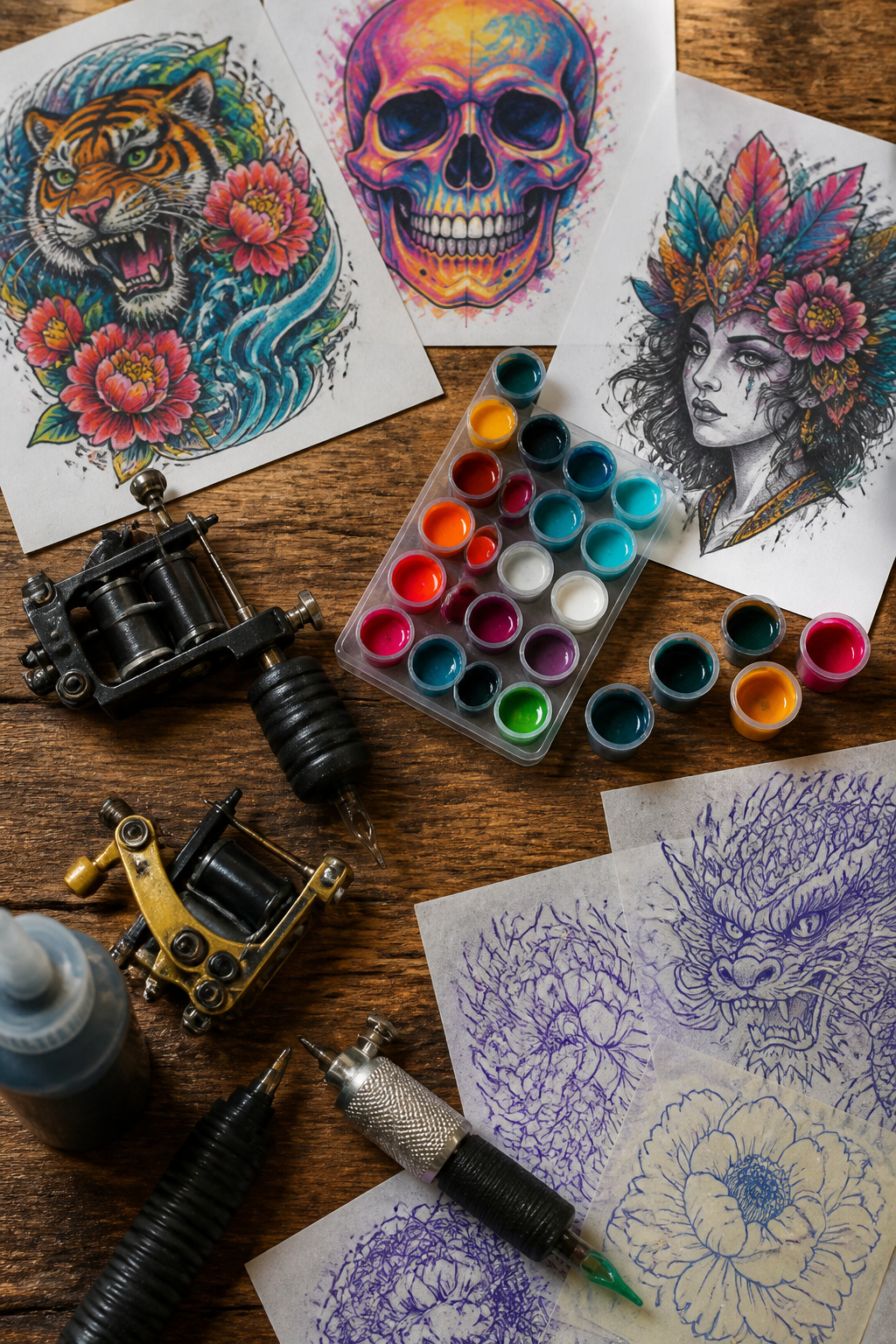
The landscape of body art is shifting away from the muted tones of years past, ushering in a vibrant era of hyper-saturation. Known colloquially as 'color blast,' this movement prioritizes neon pigments and high-contrast palettes that look like they were pulled straight from a digital screen. It is a rebellion against the aging process of traditional inks, providing a loud, unapologetic aesthetic for a new generation of collectors.
This movement gained significant momentum in the underground scenes of Berlin and Brooklyn, where artists began experimenting with ink formulas that hold their intensity against various skin tones. Unlike the watercolor styles of the 2010s, color blast relies on solid, opaque packing to ensure the pigments remain sharp. The result is a striking visual that mimics the luminosity of a fresh oil painting or a vibrant graphic novel.
Visionary artists like Kelly Violence and Dave Paulo have been instrumental in driving this shift. Their work often blends figurative elements with explosive splashes of cyan, magenta, and electric lime. By abandoning the traditional 'black outlines only' rule, these creators are proving that color can serve as both the structure and the soul of a piece, pushing the boundaries of what skin can hold.
While blackwork will always have its place, the current demand for high-visibility art is undeniable. Collectors are no longer looking for subtle accents; they want statement pieces that act as wearable art. This shift toward maximalism is defining the industry's direction for 2026, as clients prioritize boldness over tradition.
Technological advancements in pigment stability have also fueled this rise. Modern inks are now designed to resist fading more effectively than ever, allowing these neon masterpieces to stay bright for decades. As these formulas become more widely available, the saturation levels in studios worldwide are reaching unprecedented heights.
Ultimately, this explosion of pigment represents a broader cultural desire for optimism and self-expression. By wearing the full spectrum of the rainbow, enthusiasts are turning their bodies into canvases of joy. It is clear that as far as modern aesthetics go, the future of body art is looking brighter than ever.