
Healing Science: The Ultimate Roadmap for Tattoo aftercare
11 days ago
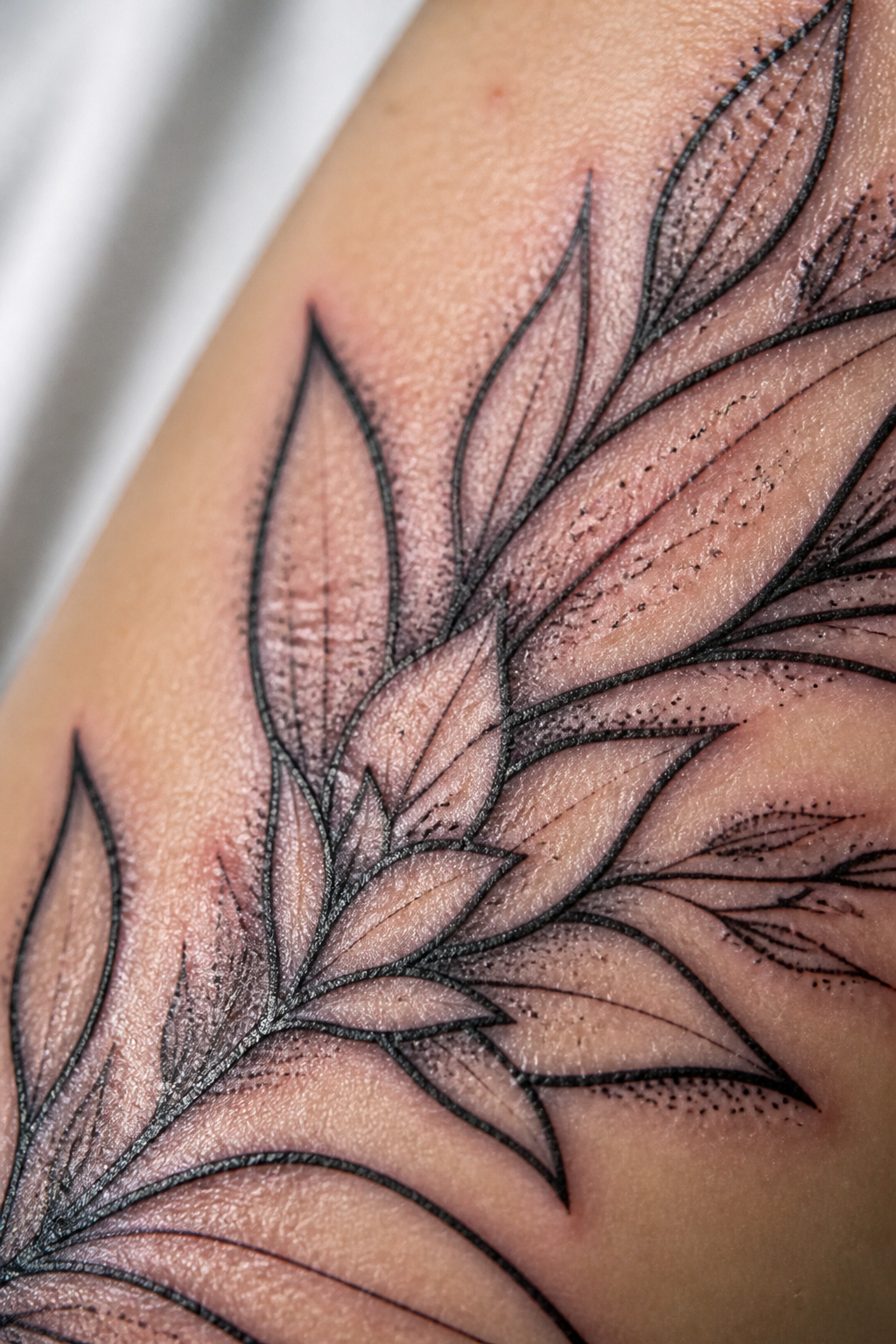
The first 48 hours are the most critical stage of your healing journey. Once you leave the studio, keep your artist's bandage on for the recommended time to protect the open skin from bacteria. When it is time to remove it, wash the area gently using lukewarm water and a fragrance-free, antimicrobial soap. Use your clean hands only—no washcloths or loofahs—and pat the area dry with a fresh paper towel.
Moisturising is a balancing act that determines the vibrancy of your healed piece. Apply a very thin layer of specialized ointment or unscented lotion twice a day. The goal is to keep the skin supple without smothering it; excessive moisture can trap bacteria and lead to bubbling or loss of pigment. If the skin looks shiny or greasy, you have applied too much.
During the first two weeks, your lifestyle needs a temporary adjustment to ensure the best results. Stay out of the sun entirely, as UV rays can damage healing tissue and cause premature fading. Similarly, you must avoid swimming in pools, lakes, or oceans. Soaking a fresh tattoo in water can introduce infections and soften scabs before the skin underneath is ready to be exposed.
A typical healing timeline lasts about four to six weeks. You will likely experience itching and some peeling, similar to a sunburn. It is vital that you do not pick or scratch at the flakes, as this can pull ink out of the dermis. Let the dead skin fall off naturally through your regular washing and moisturising routine.
Communication with your professional is key if things feel off. While some redness and swelling are normal in the first few days, you should call your artist if you notice extreme heat, spreading red streaks, or green discharge. Most minor issues can be resolved with a quick photo check-in, ensuring your piece heals exactly as intended.