
Healing Right: The Ultimate Tattoo Aftercare Roadmap
10 days ago
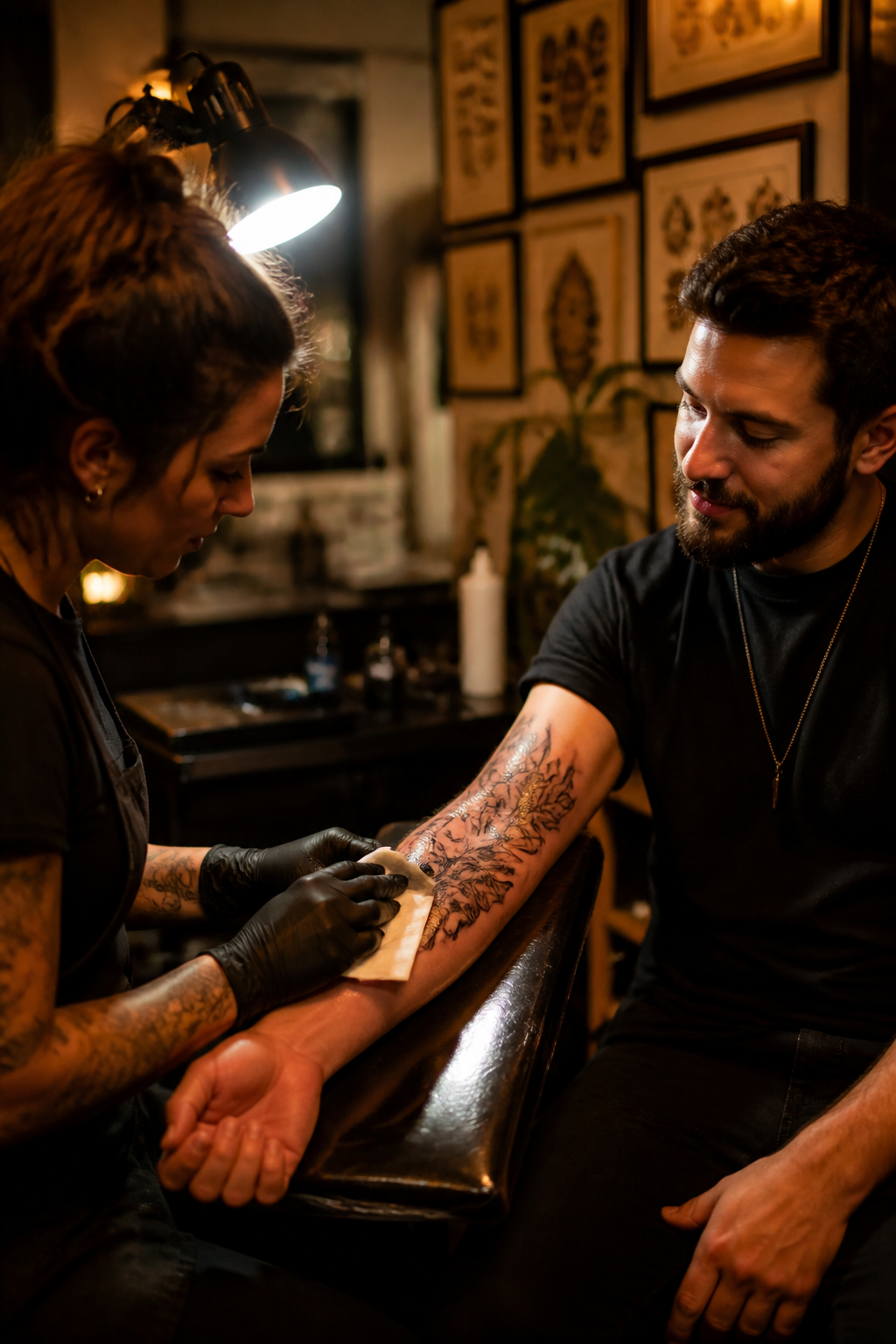
The moment you step out of the studio, the longevity of your art depends entirely on your tattoo aftercare routine. Your artist has done the heavy lifting, but the next few weeks are critical for preventing infection and ensuring the ink stays saturated. Within the first two to four hours, you should remove the initial bandage and gently wash the area with lukewarm water and a fragrance-free, antibacterial soap. Use your clean hands rather than a washcloth to avoid unnecessary friction.
During the first 48 hours, your skin will be in a state of high sensitivity. You might notice some plasma or excess ink weeping from the site; this is a normal part of the inflammatory response. Avoid the temptation to over-moisturize during this phase. Instead, pat the area dry with a clean paper towel and allow it to breathe. Once the skin begins to feel tight or dry, apply a very thin layer of an artist-recommended ointment to maintain a protective barrier.
As the healing timeline progresses into the first week, your primary enemy is moisture saturation. While keeping the area clean is vital, you must strictly avoid swimming in pools, lakes, or oceans, and refrain from soaking in bathtubs. Submerging a fresh wound can lead to severe bacterial infections or cause the ink to leach out prematurely. Stick to short, cool showers and ensure the water pressure isn't hitting the new piece directly.
Environmental factors play a massive role in long-term vibrancy. Direct sun exposure is the fastest way to fade a healing piece, as UV rays break down the pigment particles. Keep your new work covered with loose, breathable clothing rather than sunscreen until the skin has completely finished peeling. Once fully healed, a high-SPF sunblock should become a permanent part of your daily routine whenever the tattoo is exposed to the elements.
Finally, listen to your body and your skin. Normal healing involves some itching and light flaking, but you should never pick or scratch at the scabs. If you notice localized extreme swelling, spreading redness, or a persistent fever, contact your artist and a medical professional immediately. Consistent tattoo aftercare isn't just about aesthetics; it's about ensuring your skin heals safely so your art looks incredible for decades to come.