
Healing Right: The Ultimate Manual for Tattoo aftercare
14 days ago
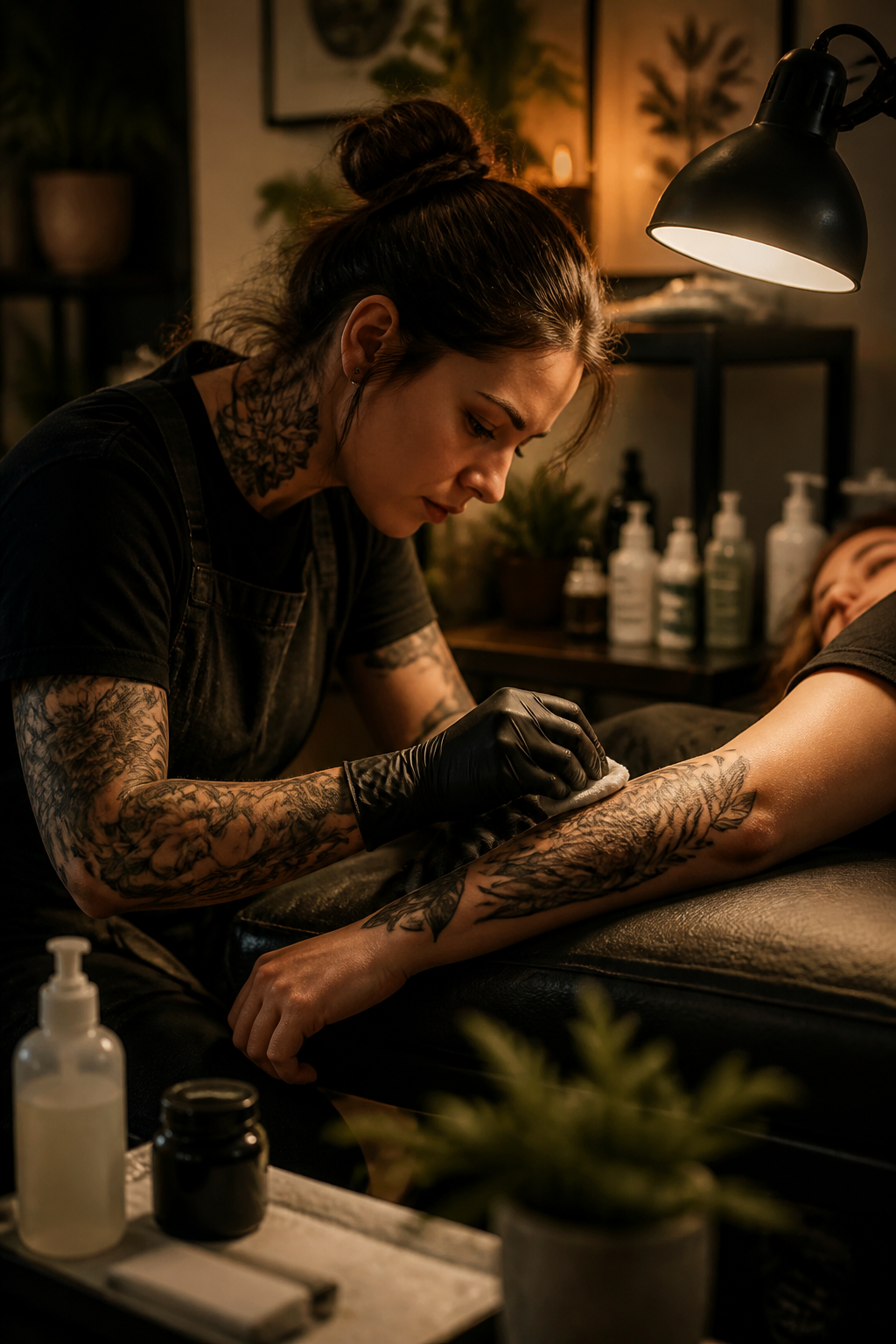
The first 48 hours are the most critical window for your new ink. Once you leave the studio, your primary goal is to keep the area clean and protected from bacteria. If your artist applied a medical-grade adhesive bandage, follow their specific instructions on when to peel it back. If they used traditional wrap, remove it within a few hours and gently wash the area with lukewarm water and a fragrance-free, antimicrobial soap to remove excess plasma and ink.
Washing and moisturizing are the pillars of consistent Tattoo aftercare. Use your clean fingertips to wash the area twice a day, patting it dry with a fresh paper towel rather than a bathroom towel that may harbor lint or bacteria. After a few days, apply a very thin layer of specialized tattoo ointment or a plain, unscented lotion. The key is moderation; over-moisturizing can clog pores and lead to breakouts or even ink loss.
As your skin begins to heal, you will notice peeling and perhaps some light scabbing. It is vital that you do not pick, scratch, or peel the skin, as this can pull pigment out of the dermis and leave permanent gaps in the design. During this time, you must also avoid soaking the area. This means no swimming in pools, lakes, or oceans, and no long baths until the skin is fully closed and the peeling phase has ended.
Environmental protection is equally important for long-term vibrancy. Keep your new piece out of direct sunlight for the first three weeks, as UV rays can damage healing tissue and cause significant fading. Once fully healed, always apply a high-SPF sunscreen to the area whenever you are outdoors. If you notice signs of infection—such as excessive redness, swelling that lasts beyond three days, or green/yellow discharge—contact your artist and a medical professional immediately.