Healing Right: The Ultimate Gold Standard for Tattoo aftercare
2 months ago
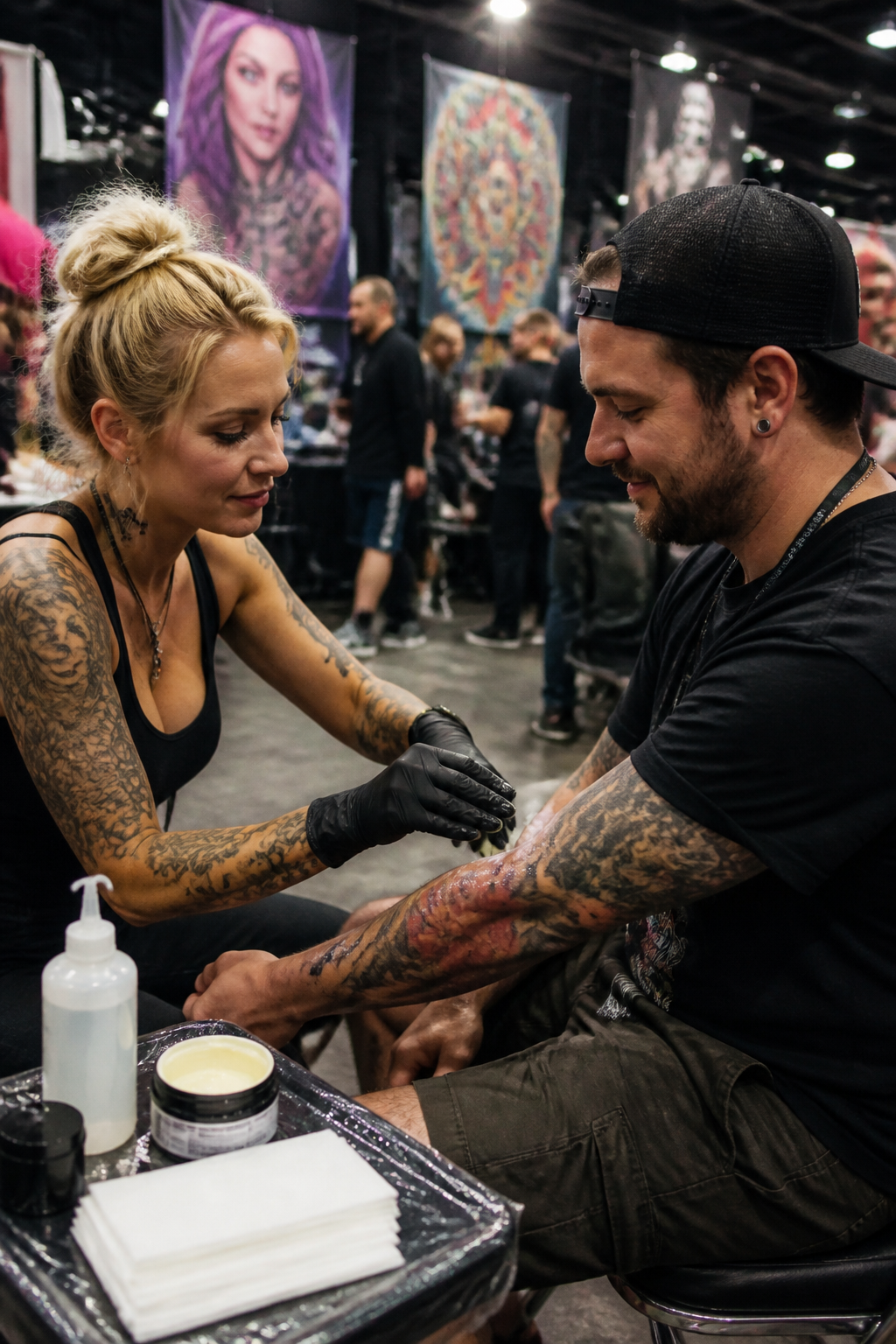
The first 48 hours are the most critical window for your new ink. Once you leave the studio, your primary goal is to keep the area clean and protected from bacteria. If your artist applied a medical-grade adhesive bandage, keep it on for the recommended time to allow the skin to begin its initial recovery in a sterile environment. If you were wrapped in traditional film, remove it within a few hours and gently wash the area with lukewarm water and fragrance-free soap.
Washing is a delicate balance. You want to remove excess plasma and ink to prevent heavy scabbing, but you must never scrub the skin. Use your clean fingertips to gently glide over the surface, then pat the area dry with a fresh paper towel. Avoid using plush bathroom towels, as they can harbor bacteria and leave behind lint that sticks to the open wound.
Moisturizing is the next pillar of successful Tattoo aftercare. Wait until the skin feels tight or dry before applying a very thin layer of specialized ointment or unscented lotion. The mantra here is 'less is more.' Over-saturating the tattoo can clog pores and pull ink out of the skin, leading to patchy healing. A light sheen is all you need to keep the skin supple without suffocating it.
During the first two weeks, your lifestyle needs a slight adjustment. You must absolutely avoid swimming in pools, lakes, or oceans, as well as soaking in hot tubs. Prolonged water exposure can cause the scab to soften and fall off prematurely, taking the pigment with it. Additionally, keep the tattoo out of direct sunlight. New ink is incredibly sensitive to UV rays, which can cause significant fading and irritation during the raw healing phase.
The typical healing timeline lasts about four to six weeks. You will likely experience itching and peeling, similar to a sunburn. It is vital that you do not pick or scratch the area, as this can lead to scarring. Let the dead skin flake off naturally. Once the surface is smooth and no longer shiny, you can transition to a daily high-SPF sunscreen to maintain the vibrancy of the art for years to come.
Communication with your professional is key. While some redness and swelling are normal in the first few days, keep an eye out for signs of trouble. if you notice extreme spreading redness, excessive heat, or yellow discharge, contact your artist or a healthcare professional immediately. Most artists offer a free touch-up session once the healing is complete, ensuring your piece looks exactly as intended.