
Healing Right: The Ultimate Blueprint for Tattoo aftercare
14 days ago
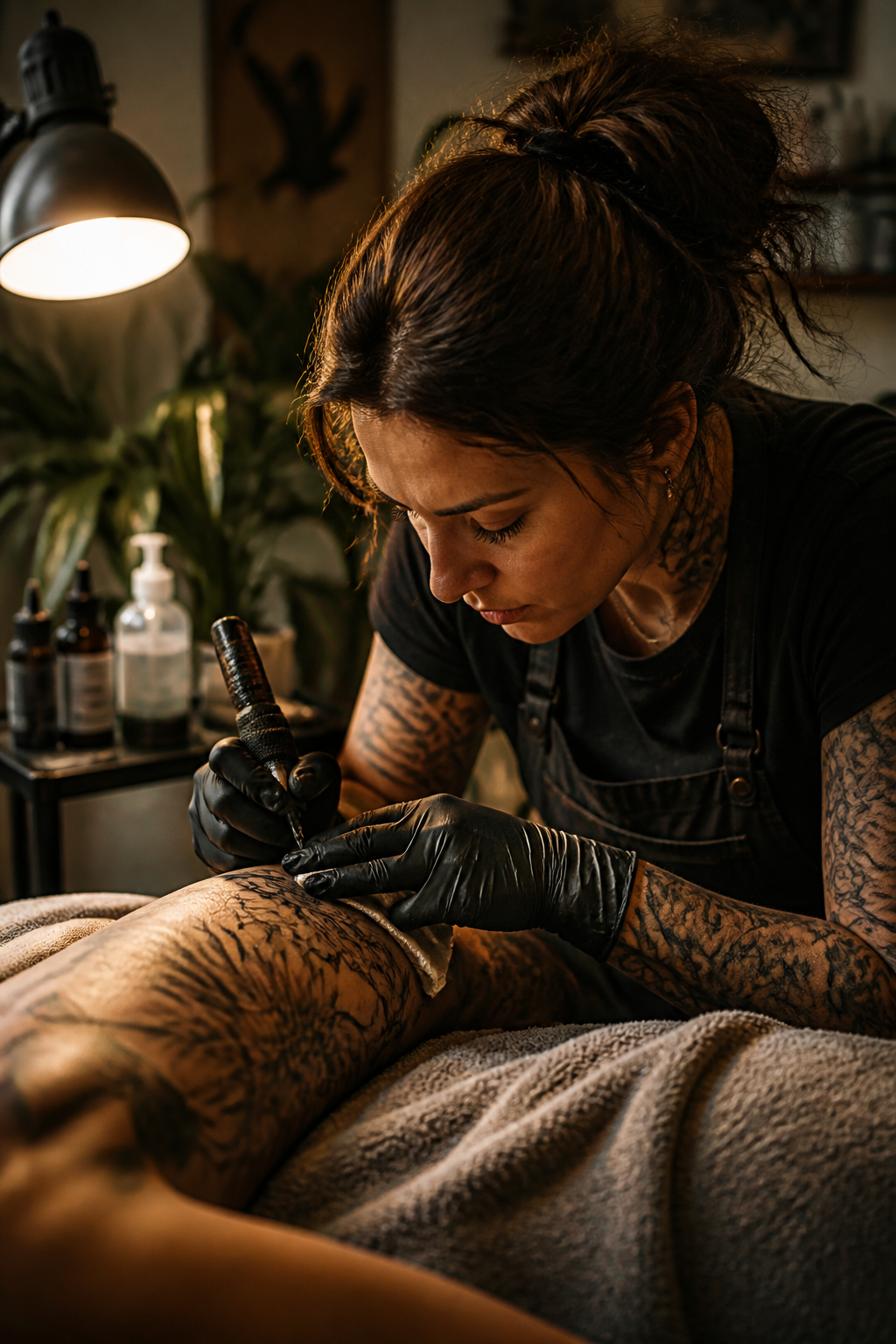
The moment you leave the studio, the longevity of your new piece is in your hands. Proper Tattoo aftercare begins with the initial bandage; leave it on for the specific duration recommended by your artist, usually between two to five hours. Once removed, gently wash the area with lukewarm water and a fragrance-free, antimicrobial soap to remove excess plasma and ink.
During the first 48 hours, your skin is a fresh wound that needs to breathe. Avoid smothering it in thick ointments. Instead, apply a very thin layer of specialized balm or unscented lotion only when the skin feels tight. Over-moisturizing can clog pores and lead to breakouts or even pull pigment out of the healing skin, so moderation is key.
As the healing timeline progresses into the first week, you will likely experience peeling and itching. It is vital that you do not pick or scratch at the scabs, as this can cause permanent scarring or patchy color. Continue your cleaning routine twice a day, ensuring your hands are spotless before touching the tattooed area to prevent any bacterial introduction.
Lifestyle adjustments are mandatory for the first three weeks of Tattoo aftercare. You must strictly avoid swimming in pools, lakes, or oceans, as well as soaking in hot tubs, to prevent infection and waterlogged skin. Additionally, keep the area out of direct sunlight entirely; UV rays are the fastest way to fade fresh pigment and damage sensitive, regenerating tissue.
Monitor your progress closely for any signs of trouble. While some redness and swelling are normal in the first few days, you should contact your artist or a medical professional if you notice spreading rashes, extreme heat coming from the skin, or green/yellow discharge. A reputable artist will always prefer you reach out with questions rather than guessing at home.
Once the skin is fully closed and no longer shiny, usually after a month, transition to long-term maintenance. Daily SPF application is the single most important thing you can do to ensure your art stays sharp for decades. Treat your skin well, and your ink will remain a vibrant testament to the craft for a lifetime.